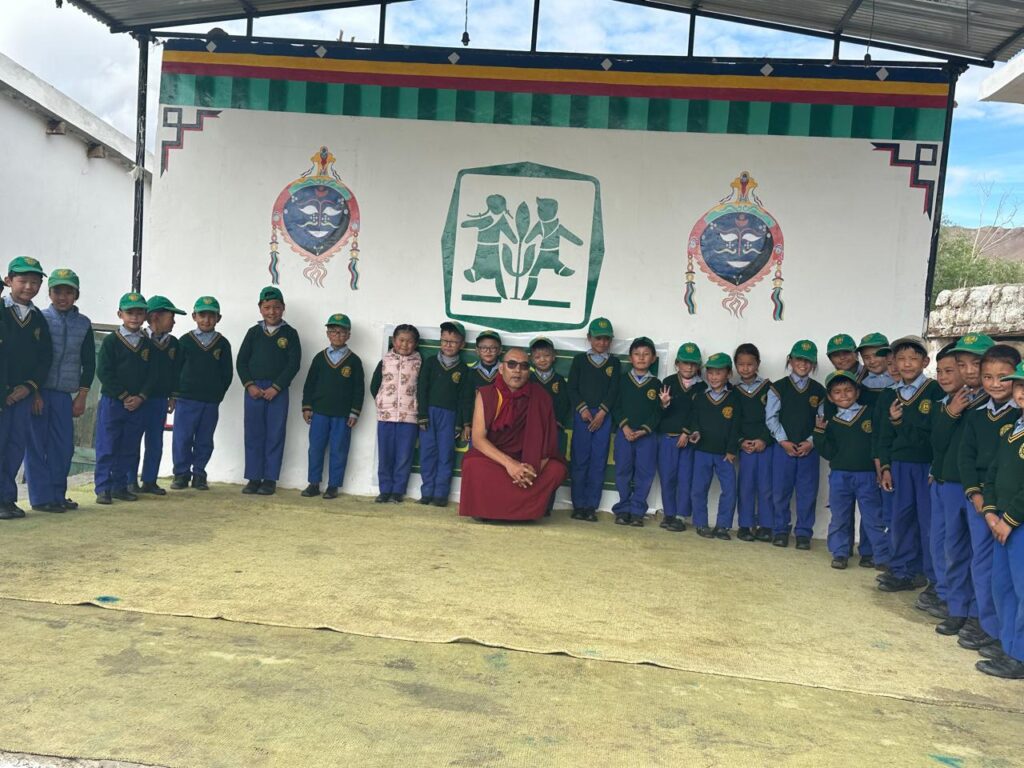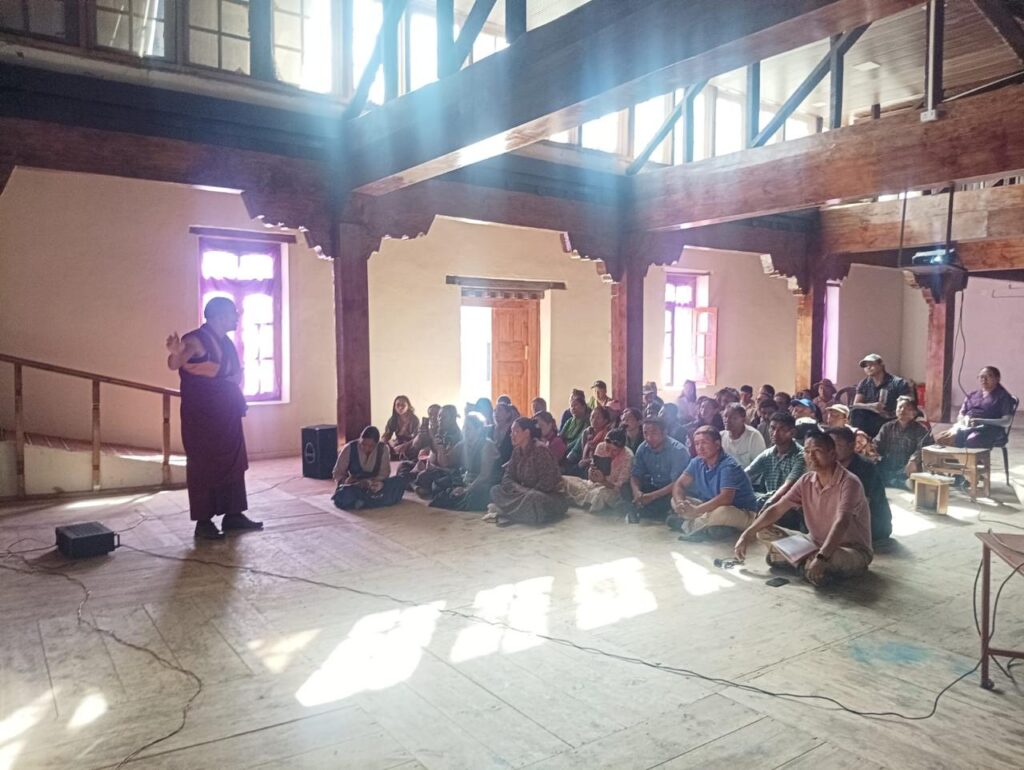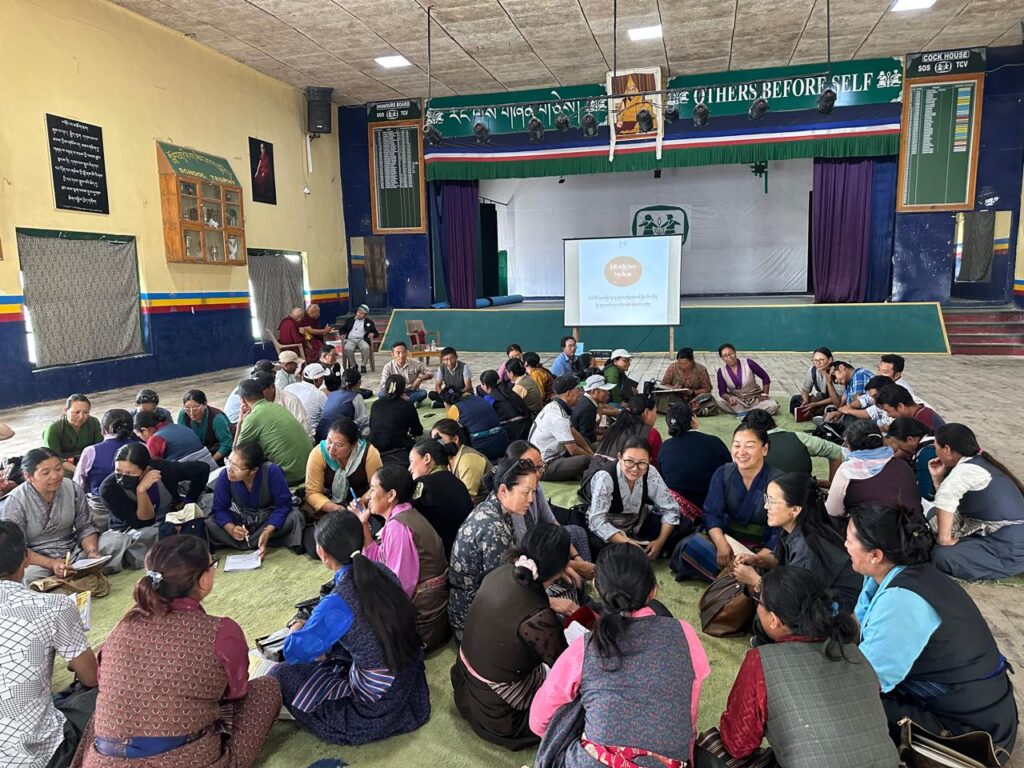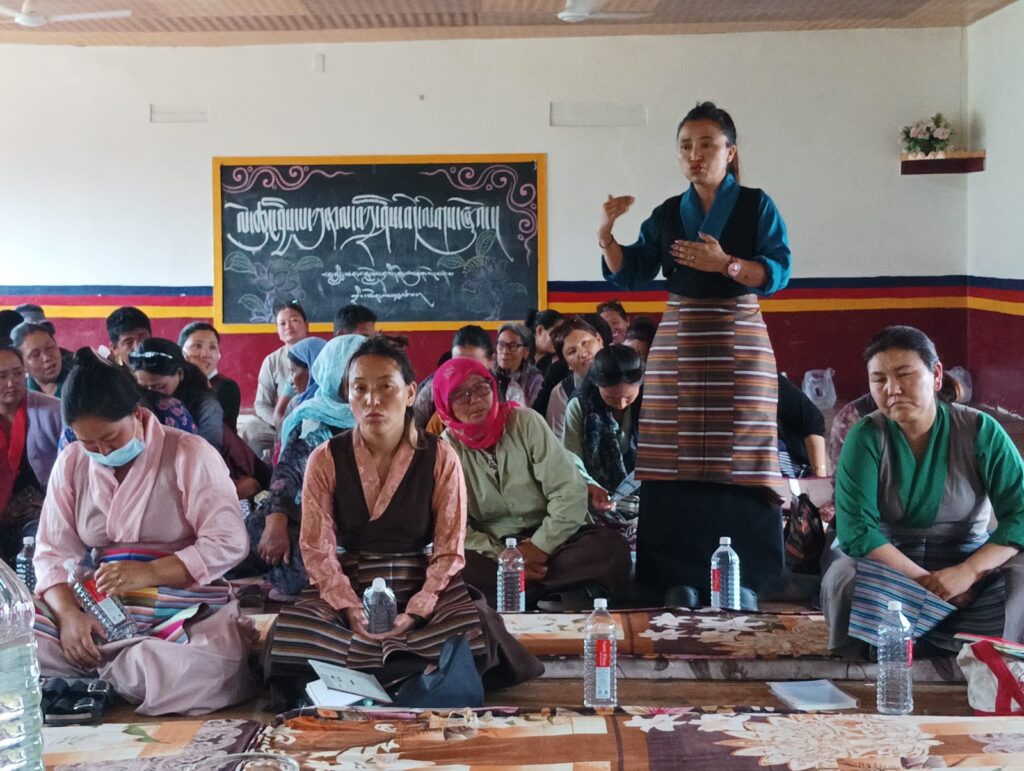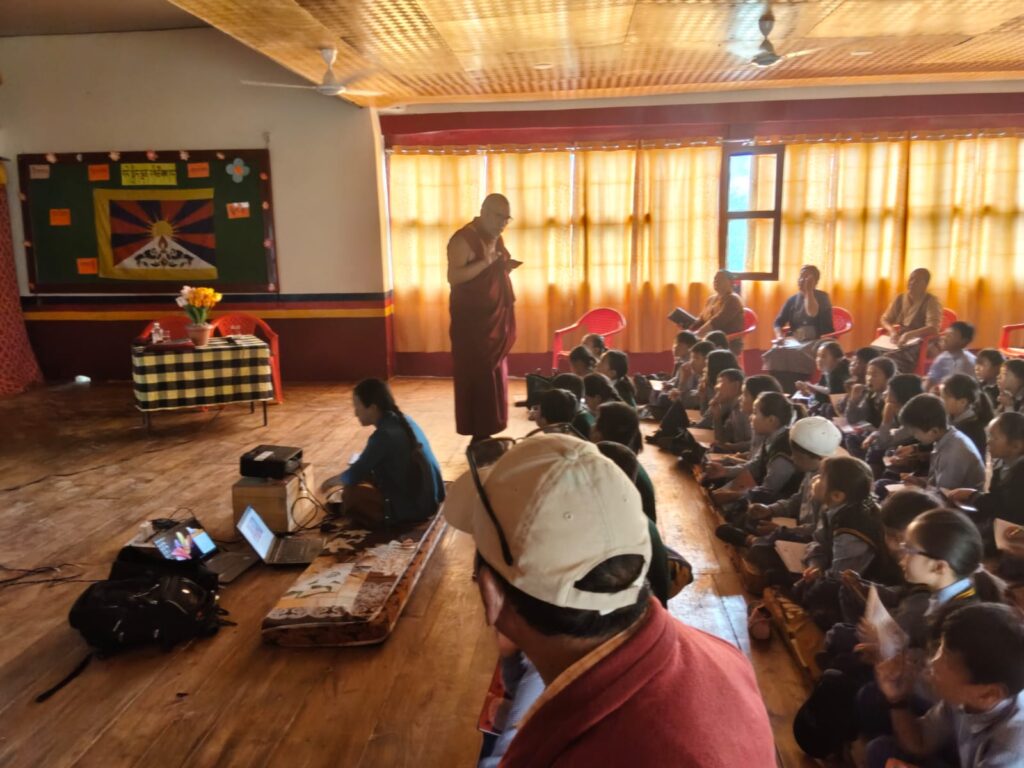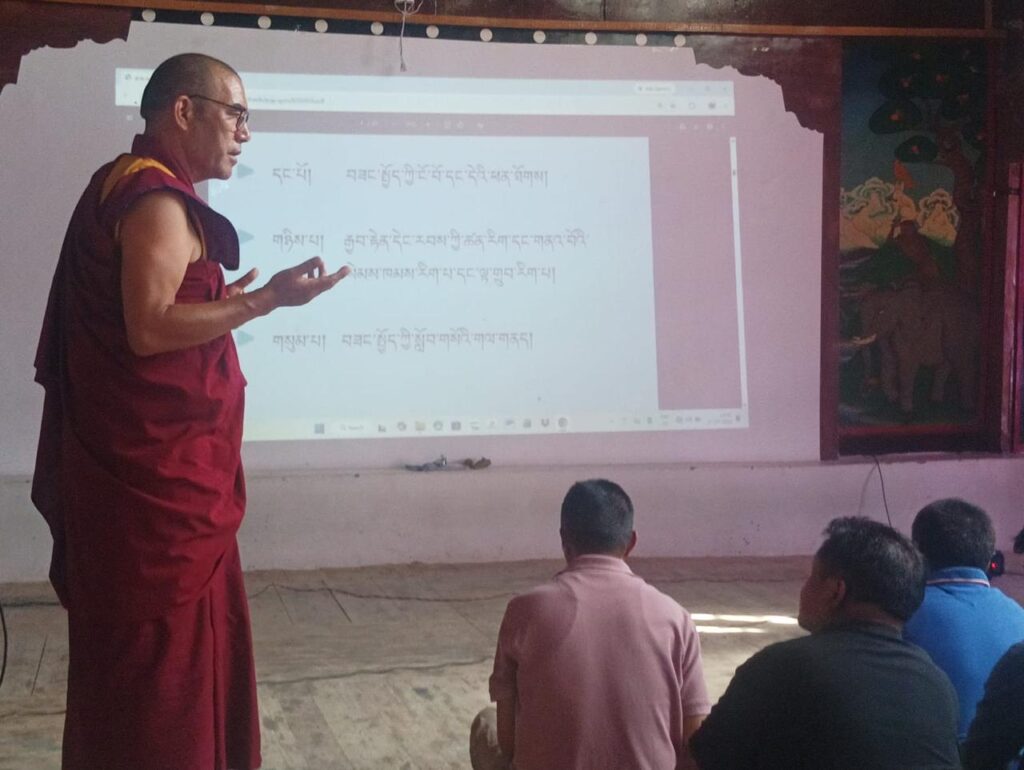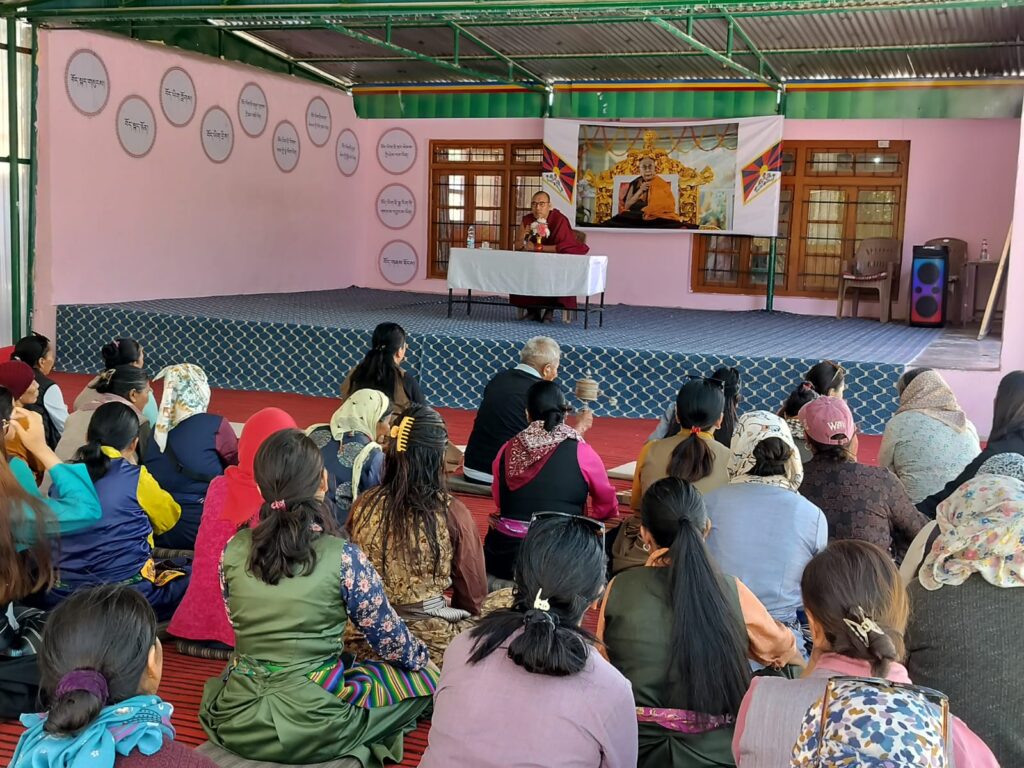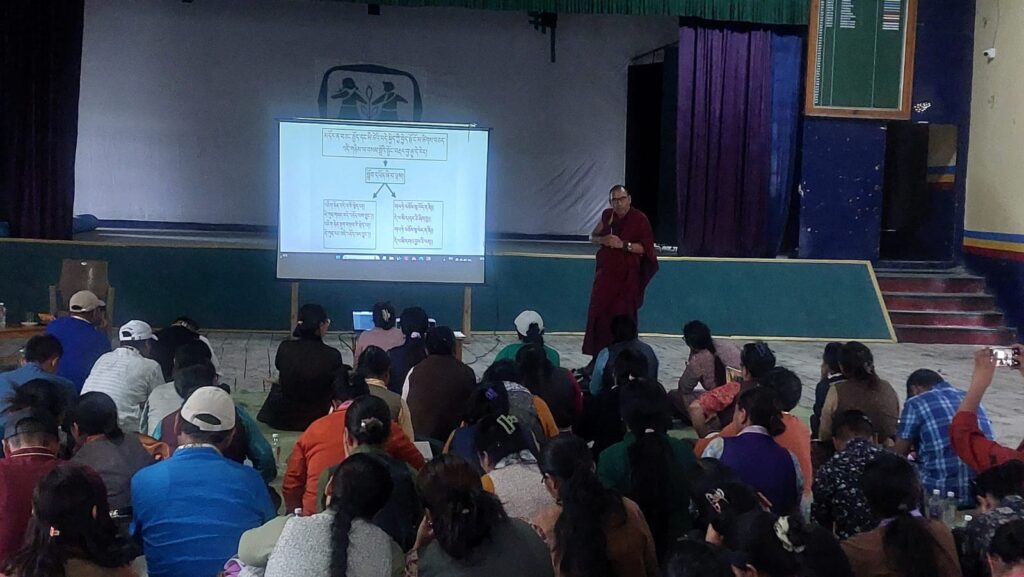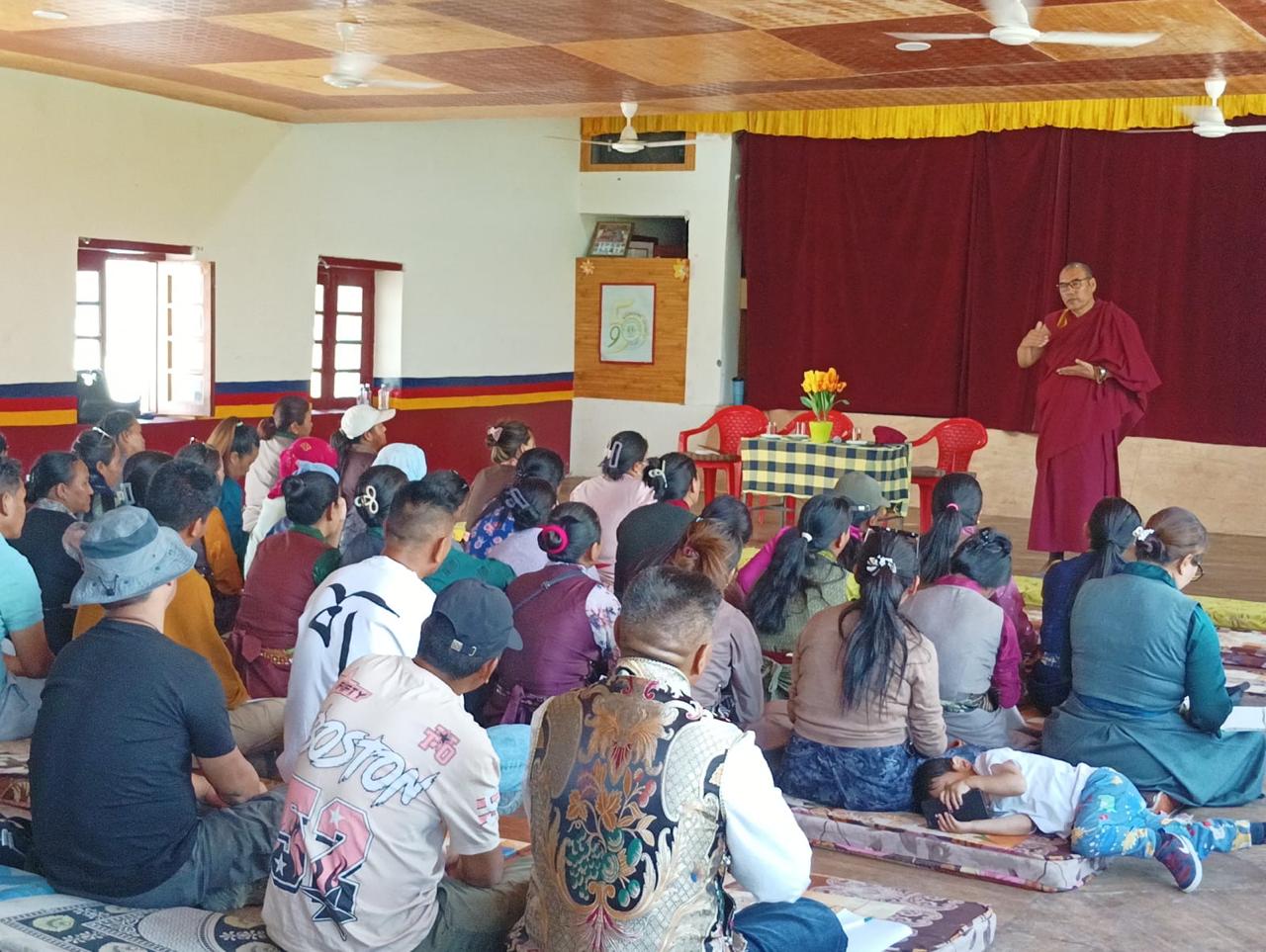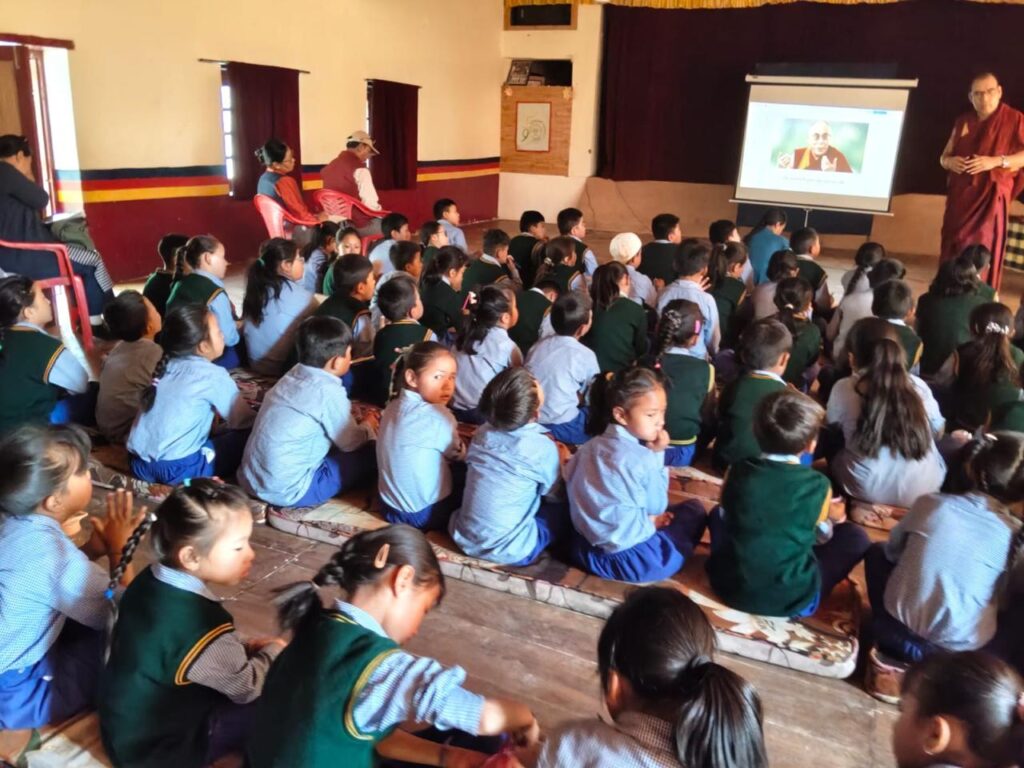
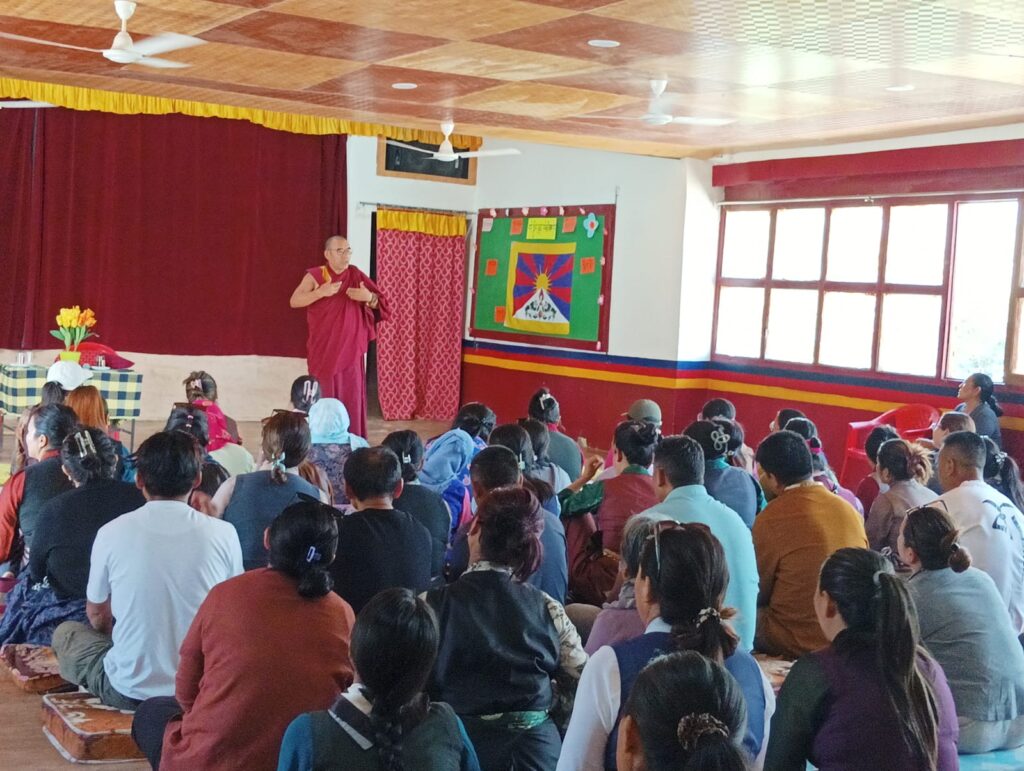
Dharamshala: Geshe Lharampa Yeshi Gyaltsen, Secular Ethics Instructor at the Department of Education, successfully concluded a 16-day secular ethics education awareness tour of Tibetan Children’s Village schools in Ladakh from 15 to 30 July 2026.
The awareness programme commenced on 15 and 16 July at Tibetan Children’s Village School in Agling. On 17 and 18 July, he continued the programme at Sonamling Tibetan Children’s Village School, followed by awareness sessions at Menlha Tibetan Children’s Village School on 23 and 24 July.
From 25 to 30 July, he conducted the awareness programme at Hanle Tibetan Children’s Village School, Sumdo Tibetan Children’s Village School, and Nyuma Tibetan Children’s Village School in Jangthang (or Changthang).
During the awareness tour, a total of 1,156 students, 130 teaching staff, and 385 parents participated in sessions introducing His Holiness the Dalai Lama’s Four Principal Commitments. The programme covered the origin and development of secular ethics, its significance and practical benefits, and the application of ethical conduct through body, speech, and mind in daily life. Participants were also introduced to the Social, Emotional and Ethical (SEE) Learning framework, including its three domains, three dimensions, and nine components, as well as the vision and significance of His Holiness the Dalai Lama’s Ethics for the New Millennium. The sessions emphasised universal ethics that transcend religious boundaries and explored themes such as the oneness of humanity, interdependence, personal and social responsibility, mutual understanding, cultivating compassion, and the importance of preserving the Tibetan language.
Special sessions were also conducted for parents and guardians, focusing on the practice of ethical conduct in daily life and the role of families in nurturing children at different stages of development. Guidance was provided on child development from pregnancy to one year of age, from one to five years, from six to sixteen years, and from sixteen to twenty years, together with age-appropriate approaches to ethics education at each stage.
The programme was fully funded by DANIDA.