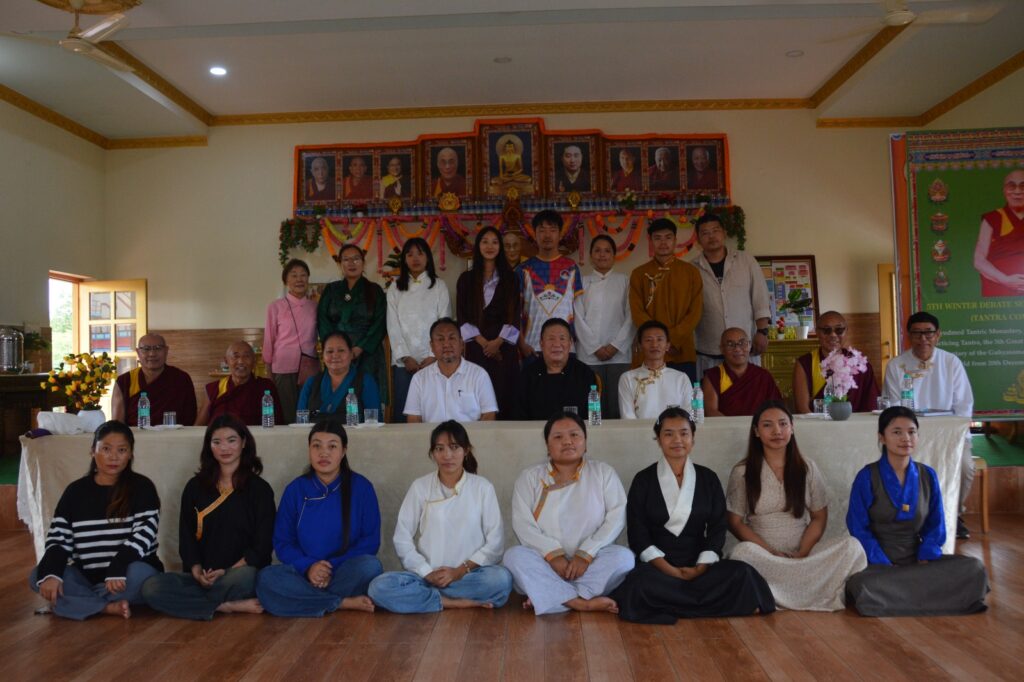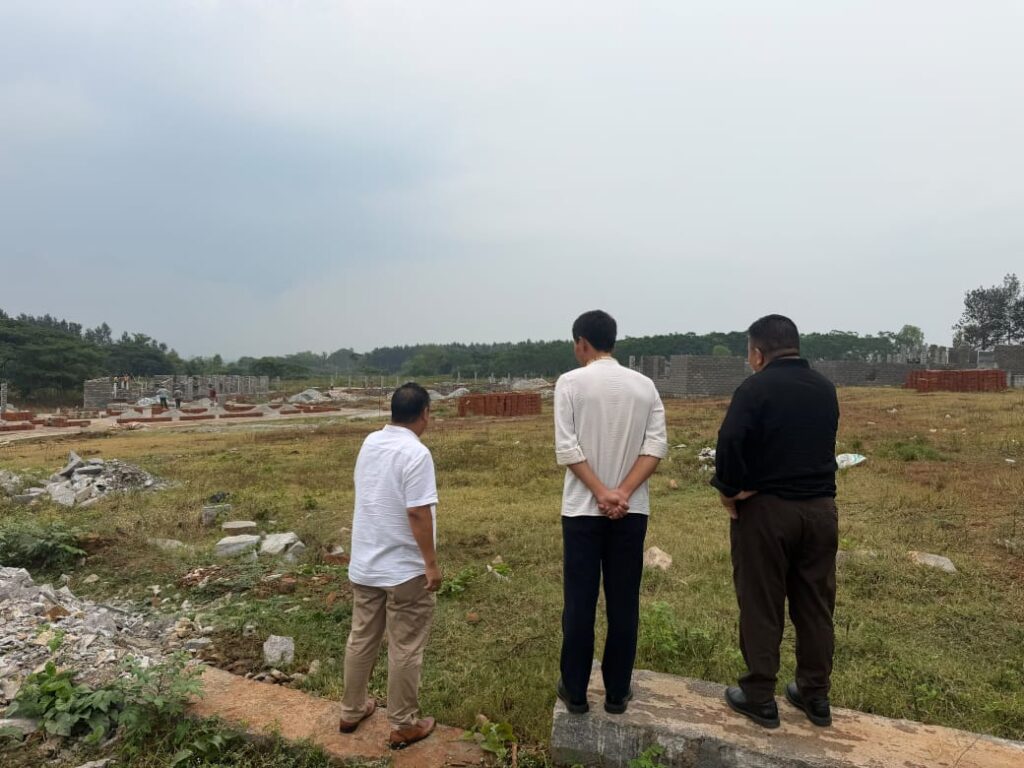

Dharamshala: From 7 to 10 October 2026, Kalon Urgen Tenzin of the Department of Education, Central Tibetan Administration, visited Dhondenling Tibetan Settlement in Kollegal and Rabgyaling Tibetan Settlement in Hunsur to review educational activities and interact with students, teachers, school administrators, and members of the Tibetan community.
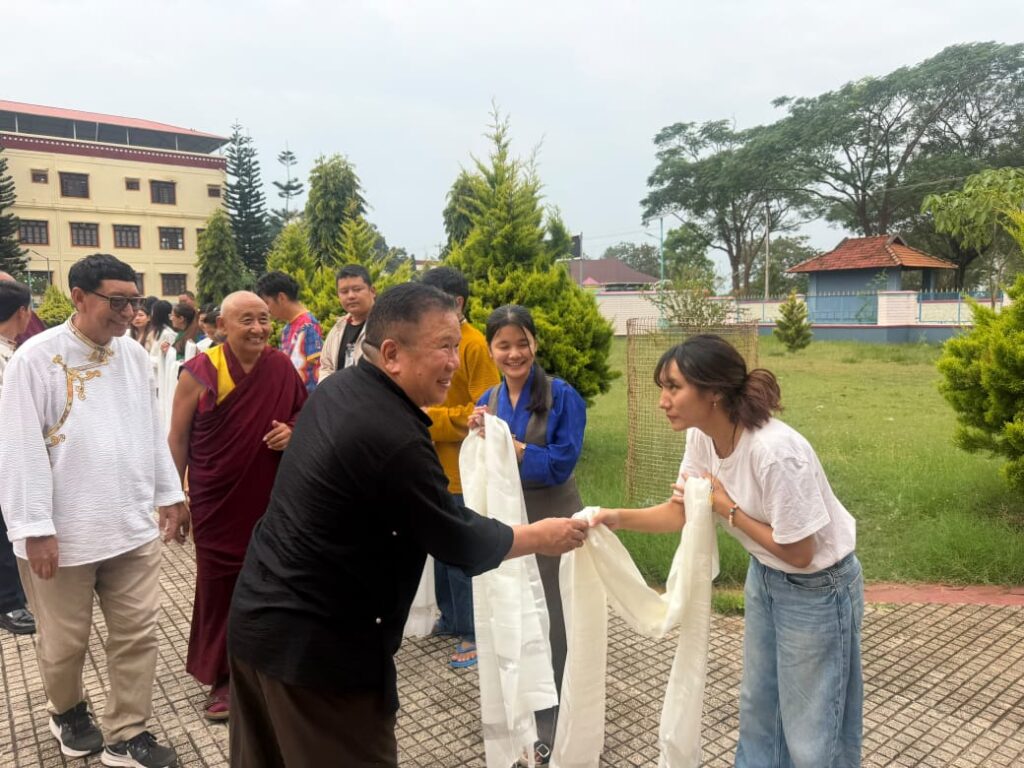
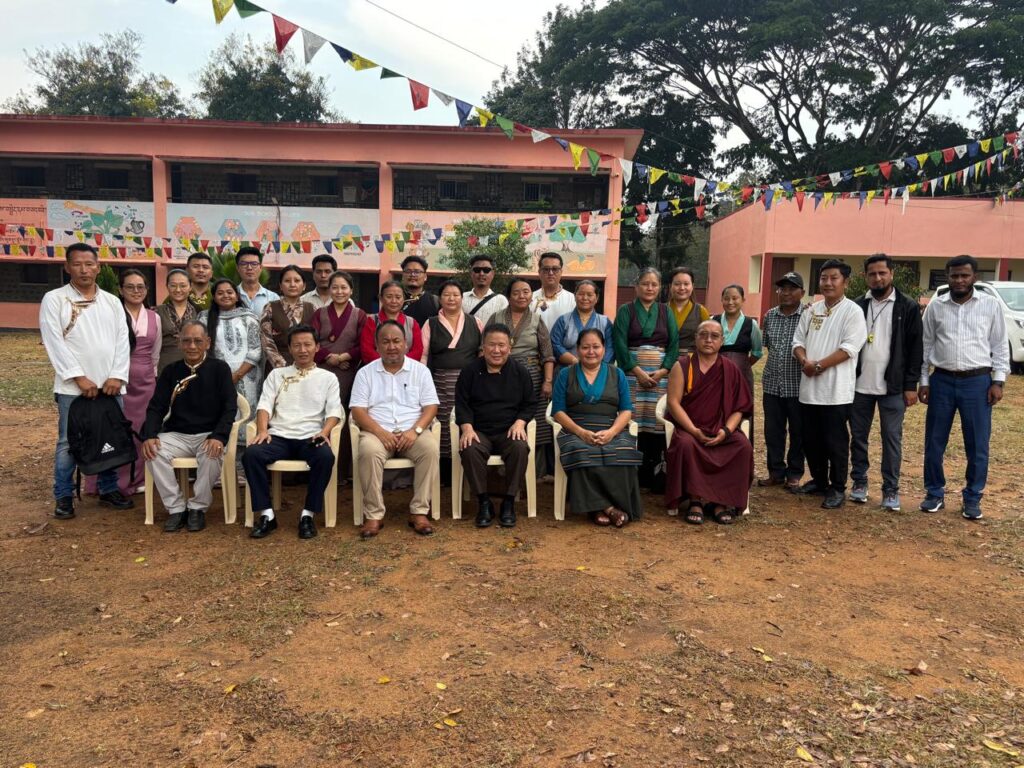
On the morning of 8 October, Kalon Urgen Tenzin arrived at Mysore Railway Station at around 7:10 a.m., accompanied by Jamyang Wangyal, Head of the Modern Education and Counselling Section of the Department of Education. They were received by the Settlement Officer. Upon their arrival at the two settlements, they were warmly welcomed by the respective Tibetan Settlements and the members of local Tibetan assemblies, monastery administrators, school principals, village heads, and representatives of government and non-governmental organisations.
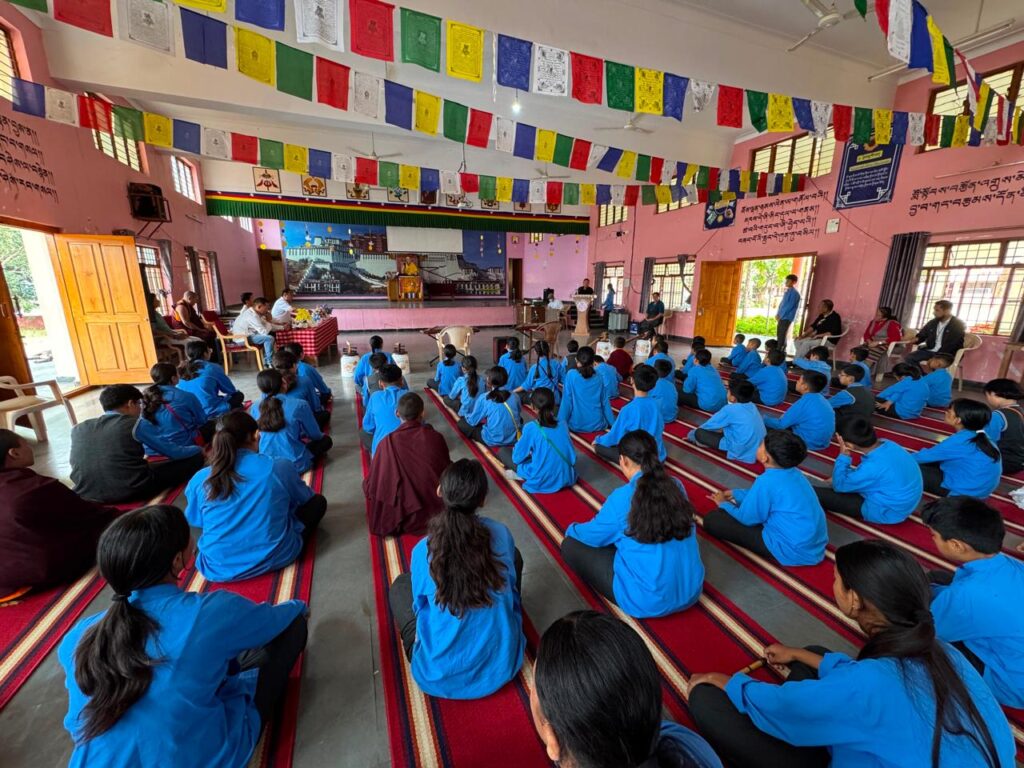
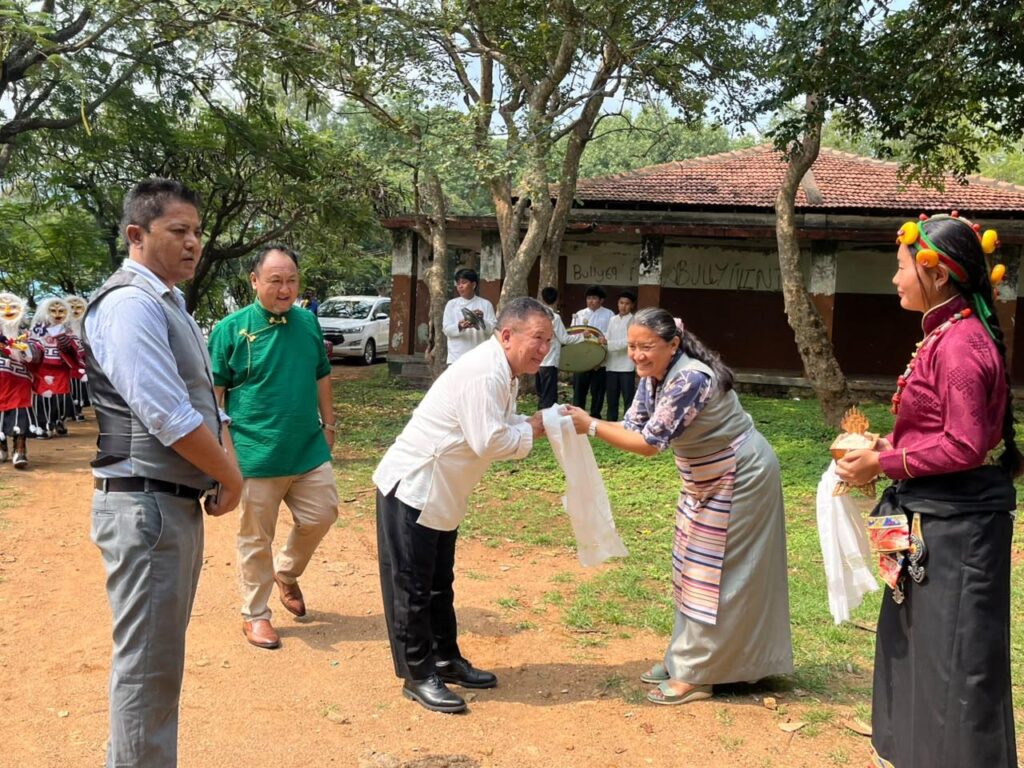
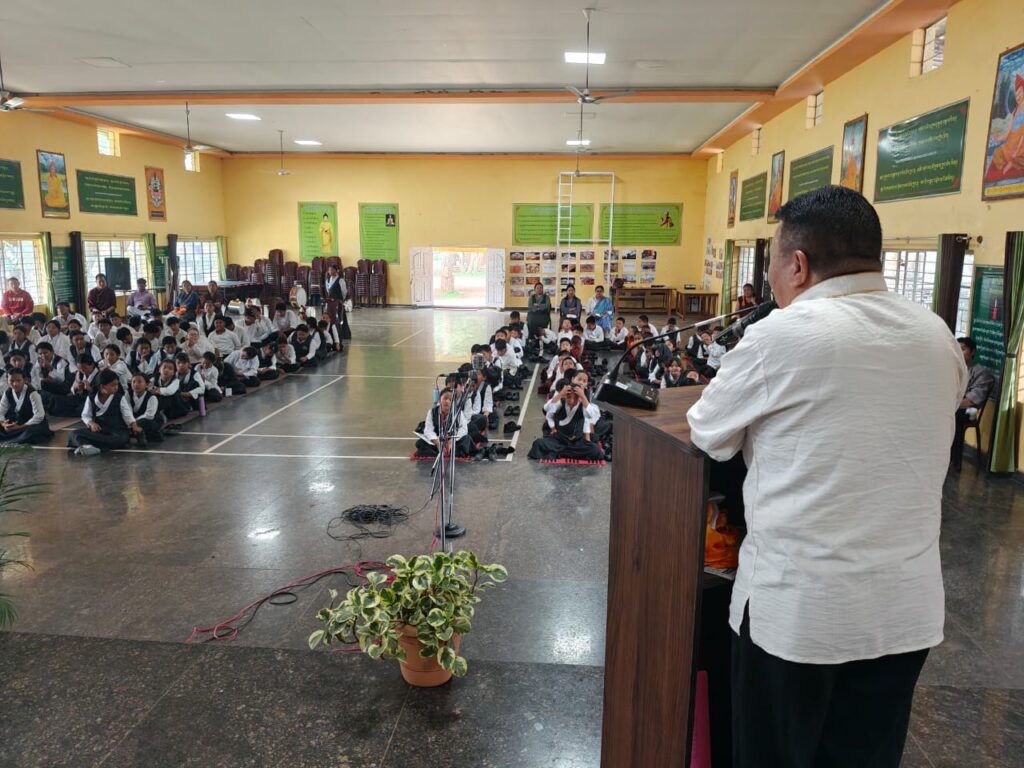
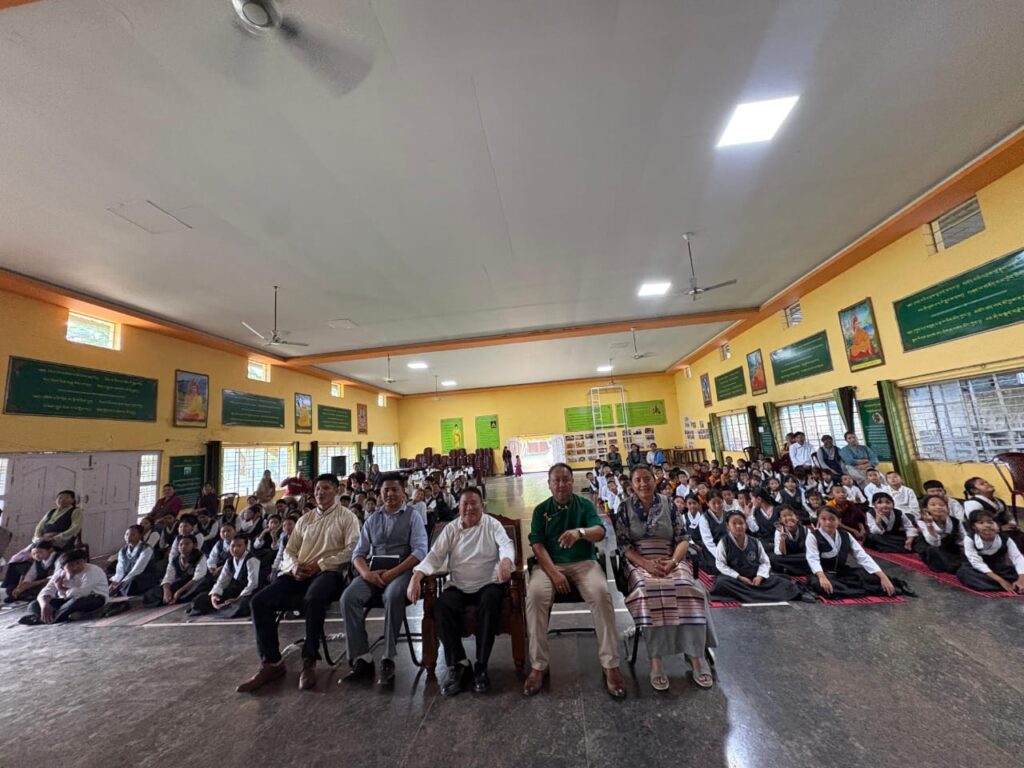
During his visits to the schools at the two settlements, the Education Kalon was welcomed by school bands, staff, and teachers. The schools organised morning assemblies during which their histories were introduced, followed by various student performances and activities.
Addressing the students, Kalon highlighted His Holiness the Dalai Lama’s vision of establishing separate schools in exile for Tibetan children to preserve their language, culture, and identity. He emphasised the importance of the Basic Education Policy (BEP) and its four guiding principles, urging students to refrain from bullying their peers, particularly those who may be weaker or in need of support, and instead help one another learn and grow together. He also commended the school heads and teachers for fostering discipline and mutual respect among students.
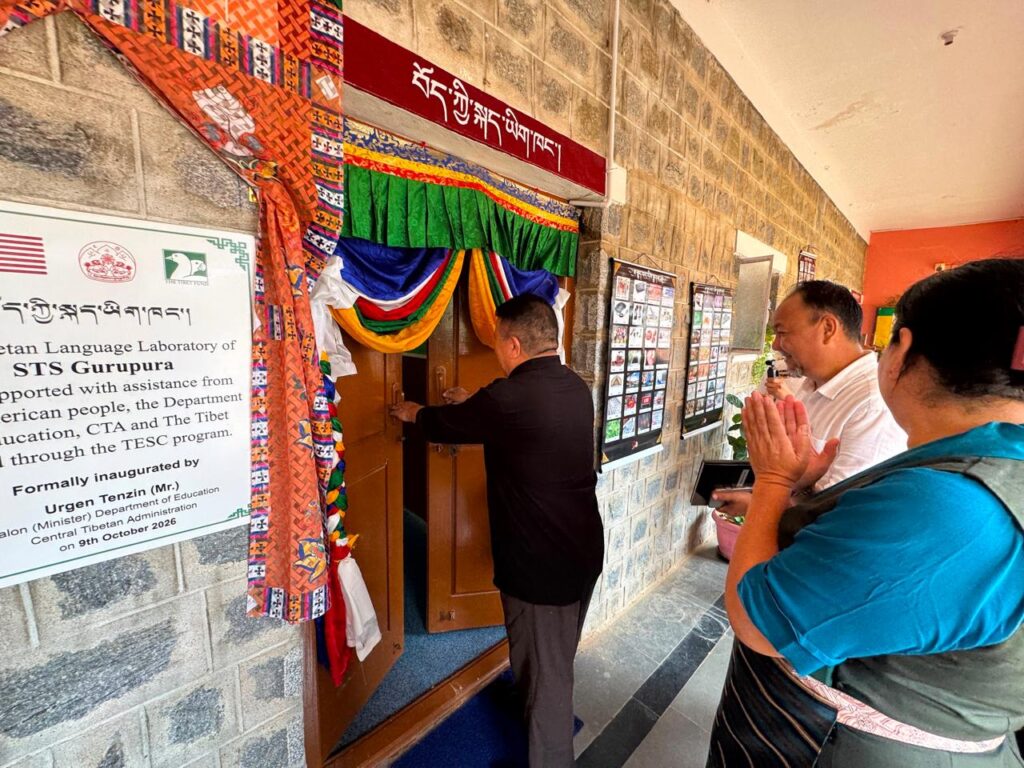
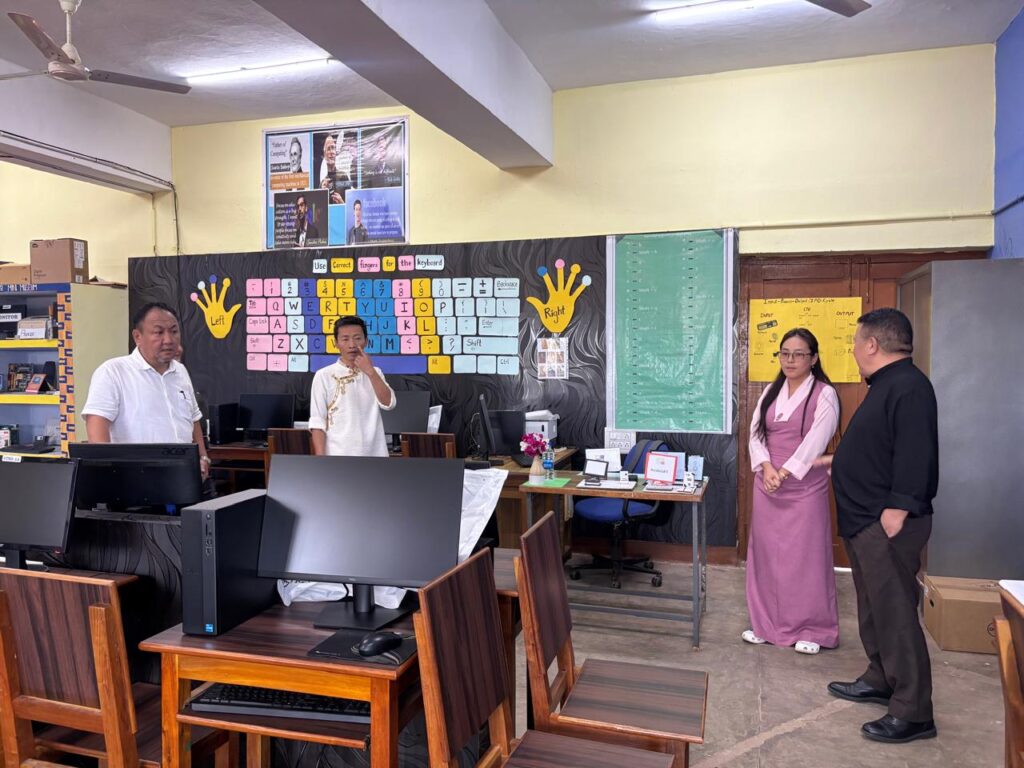
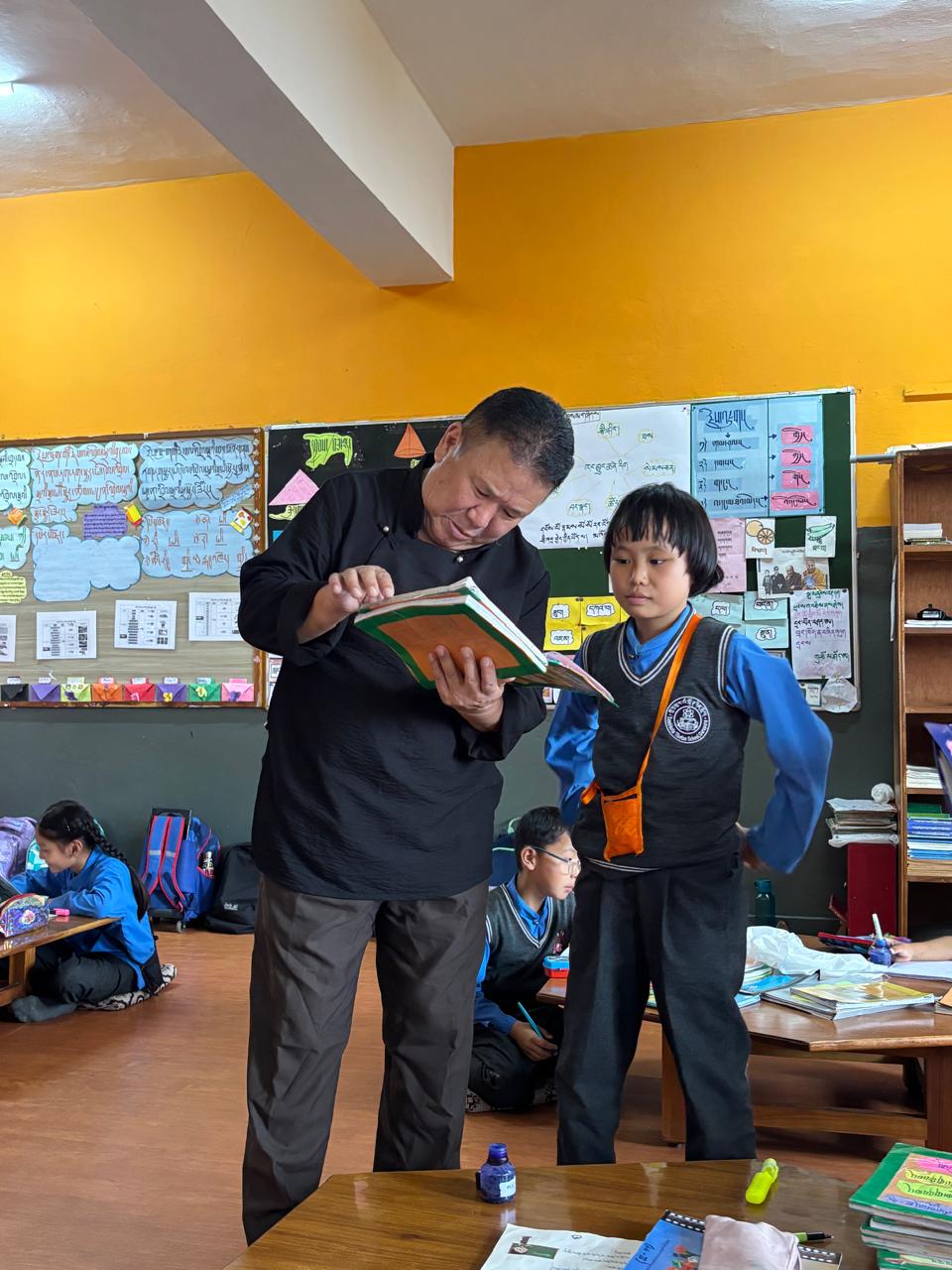
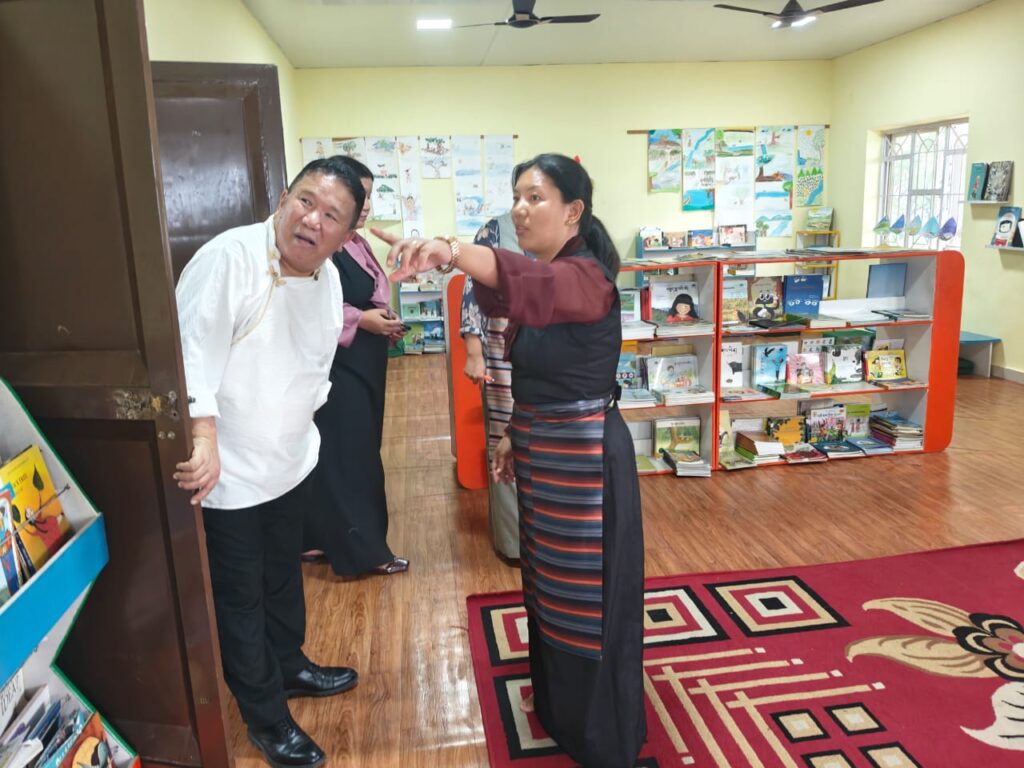
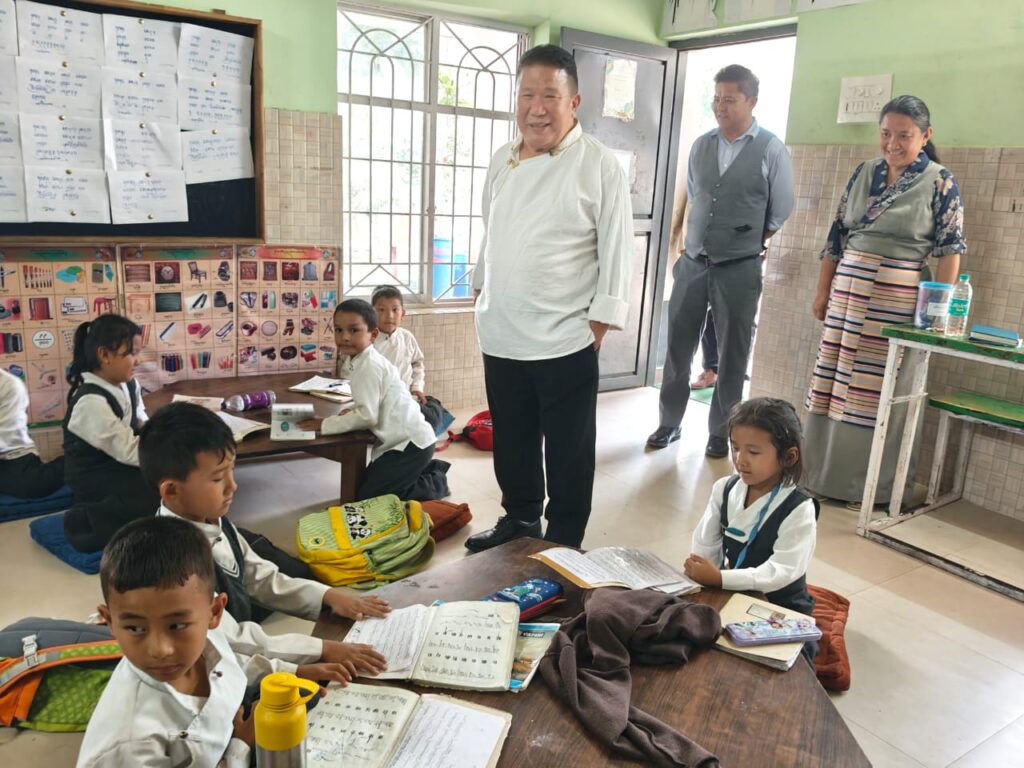
Kalon subsequently inspected classrooms and various school departments, offering suggestions for further improvement. He also inaugurated Tibetan language laboratories at both schools, describing them as important initiatives of the Department of Education. In light of the so-called Law on Promoting Ethnic Unity and Progress, he urged students and teachers to give greater attention to learning, teaching, and preserving the Tibetan language.
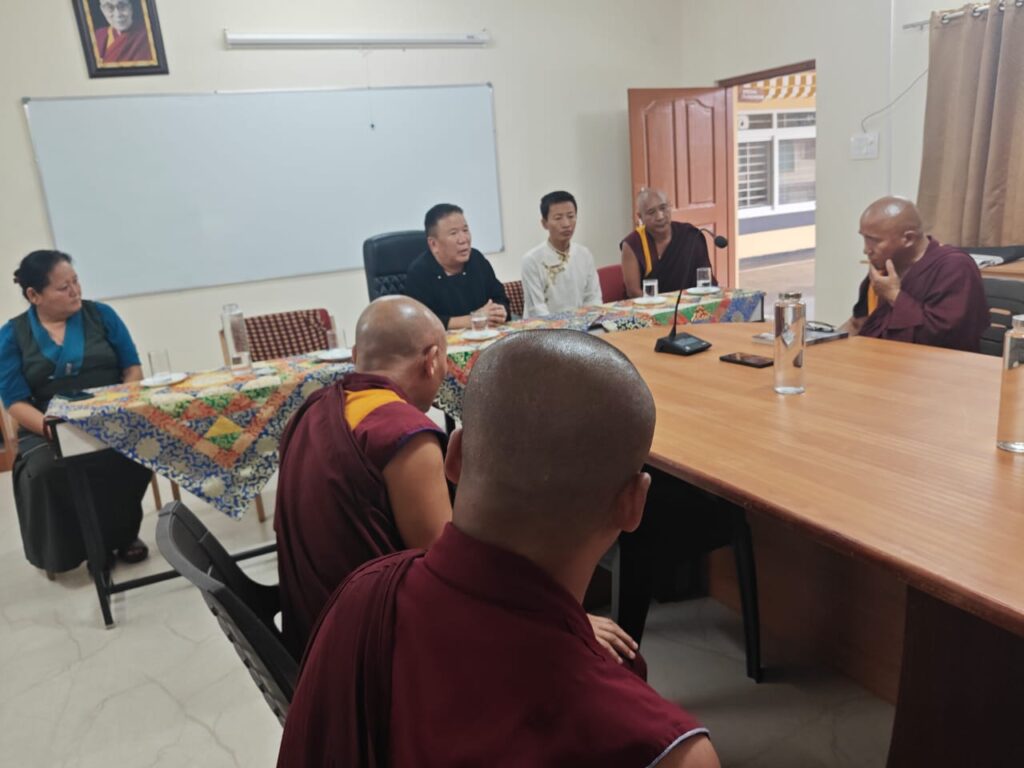
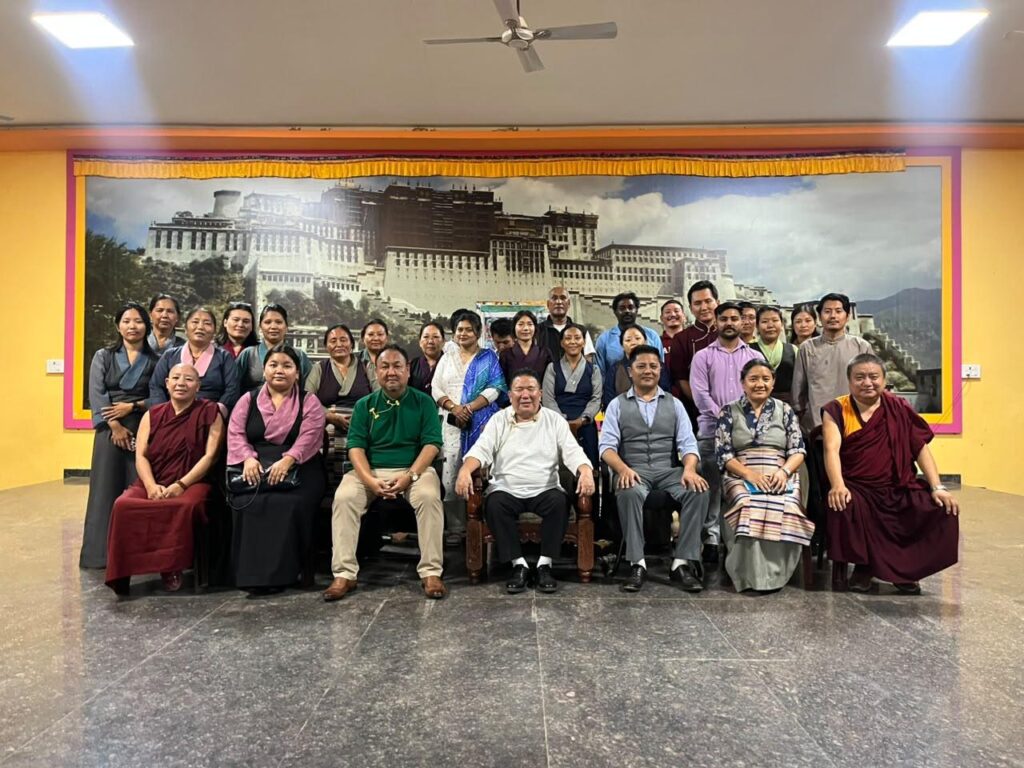
During meetings with teachers and school staff, Kalon praised their dedicated efforts in educating students and contributing to the development of the schools. He encouraged teachers to incorporate the Basic Education Policy and Social, Emotional and Ethical (SEE) Learning into their daily classroom teaching. Acknowledging the challenges of teaching students with diverse intellectual abilities and learning needs, he expressed pride in the work of Tibetan teachers and encouraged them to continue their efforts with the same commitment.
He further underscored the important role teachers play in the Tibetan struggle by nurturing students’ confidence and leadership abilities alongside their academic learning.
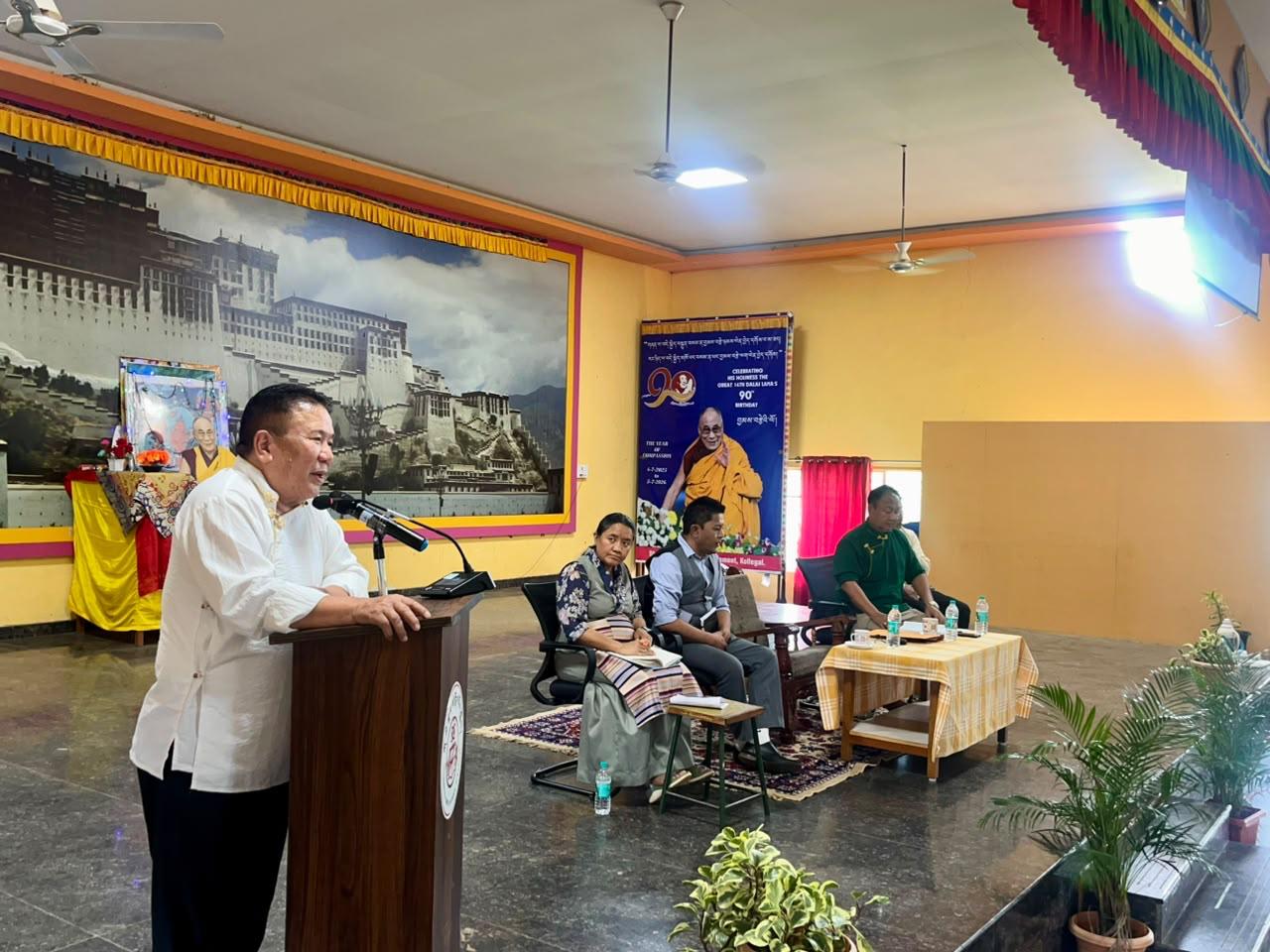
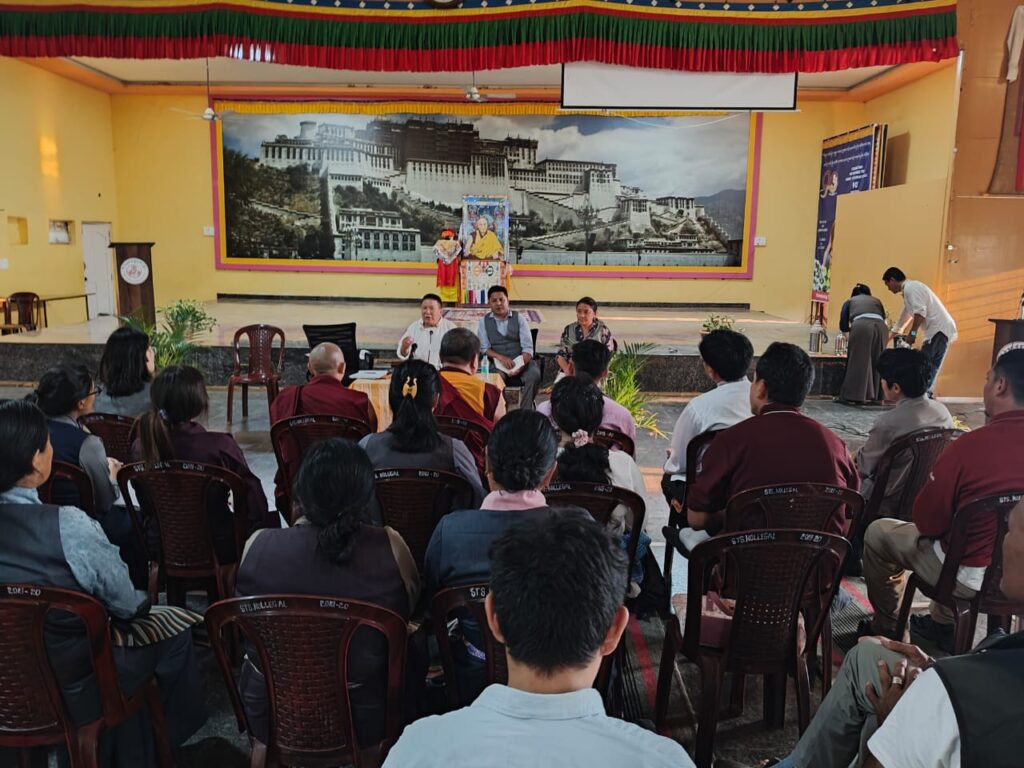
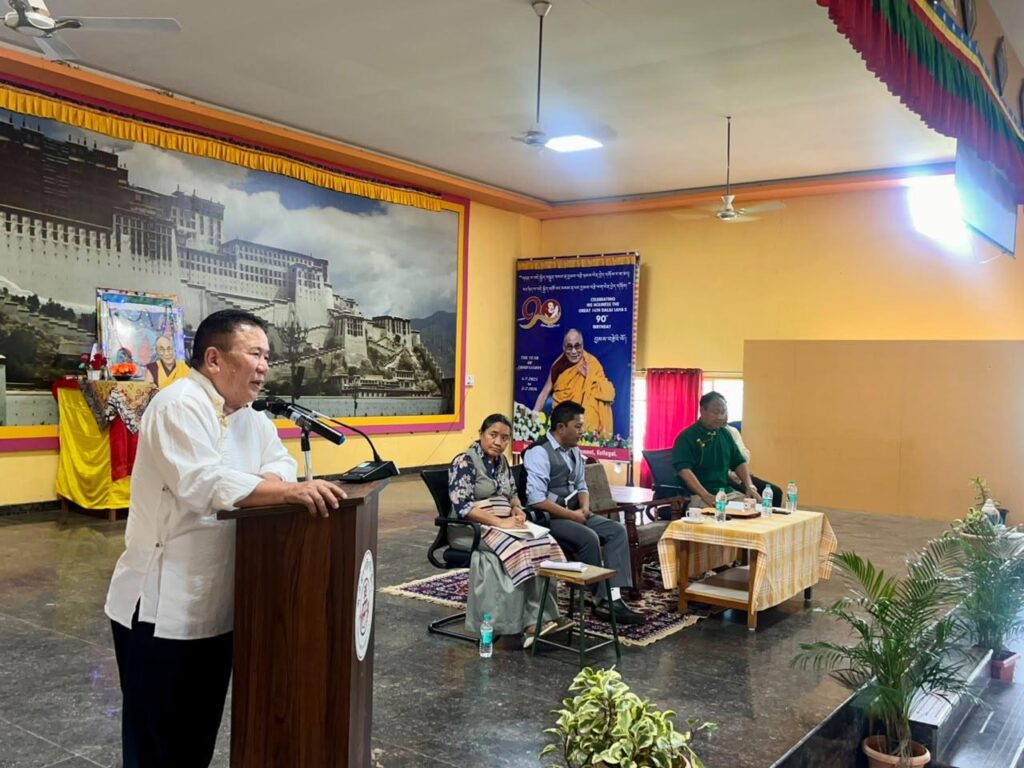
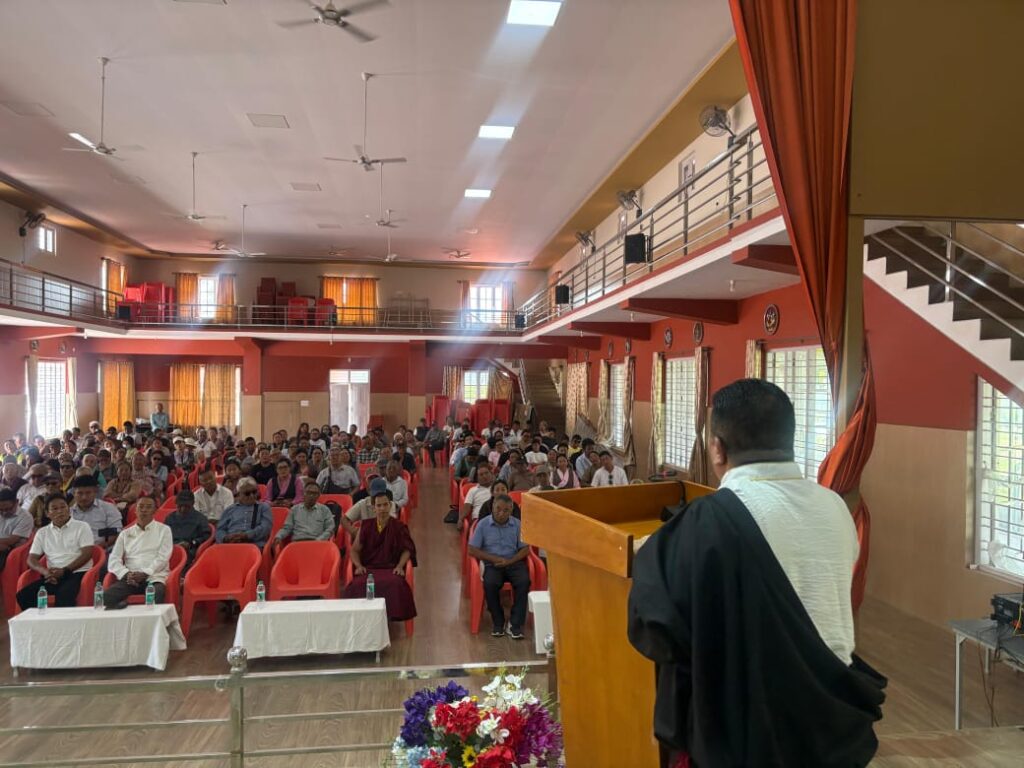
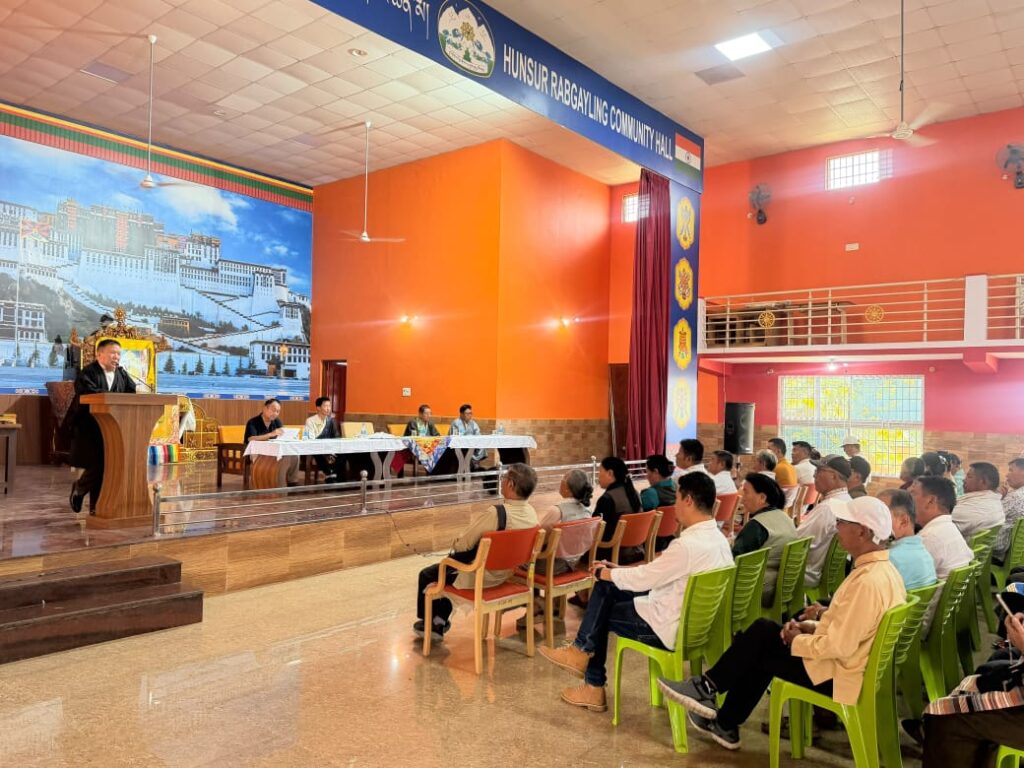
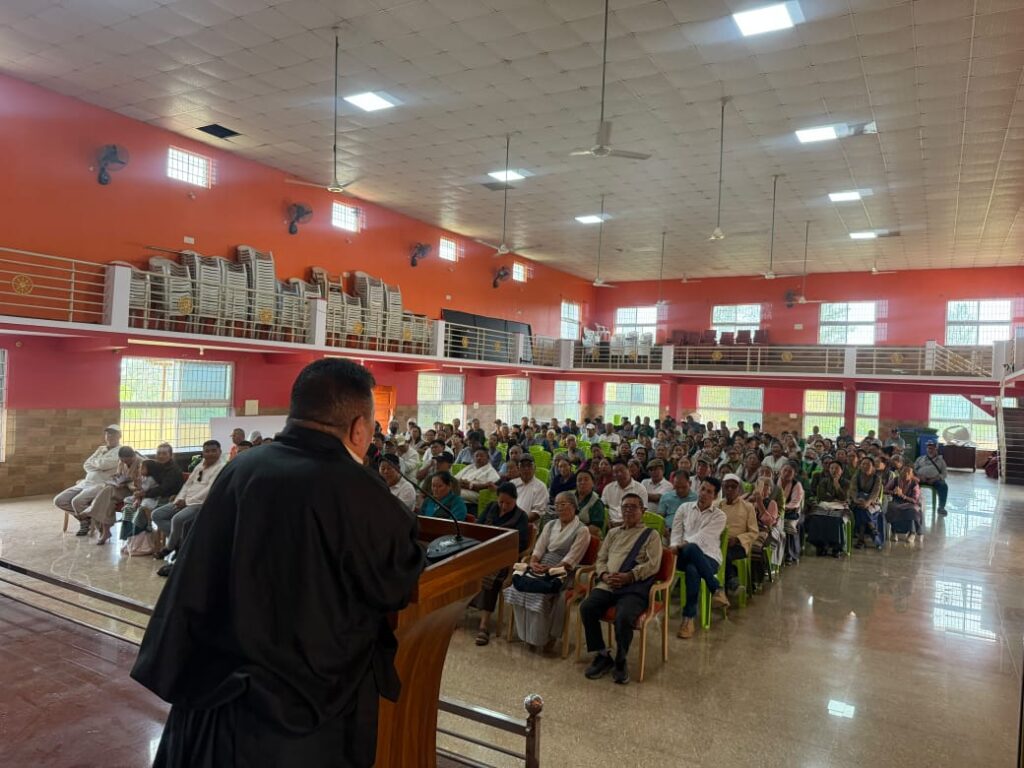
Public meetings were also held in both settlements, where Kalon spoke about the significance of the Basic Education Policy, introduced in 2004, and its four guiding principles. He appealed to parents to cooperate with school administrations in implementing the policy and creating a supportive learning environment for children.
Sharing his observations from the school visits, Kalon noted that most primary-level students demonstrated fluency in reading Tibetan. He also observed that students who began learning English in Class IV appeared to be adapting well to the language and reading it competently. These observations, he said, reflected the importance of strengthening Tibetan-language education while ensuring students develop proficiency in other subjects.
Kalon also briefly outlined the Kashag’s vision paper and discussed concerns surrounding the so called Law on Promoting Ethnic Unity and Progress. He urged parents to reinforce Tibetan language and cultural education at home by speaking pure Tibetan with their children, celebrating Tibetan festivals, sharing animated songs and stories, and passing down traditional Tibetan folktales and customs.
Expressing his appreciation to the parent associations for their active involvement in the day-to-day affairs of the schools, Kalon called on all members of the settlements to work closely with school administrations for the benefit of future generations and the broader Tibetan cause.
Addressing the issue of declining birth rates within the Tibetan community and the large number of schools serving a shrinking student population, Kalon said the Kashag was considering the merger of some schools. He described this as a necessary and important step for the current Kashag, noting that school consolidation could also create opportunities to place greater emphasis on value-based education.
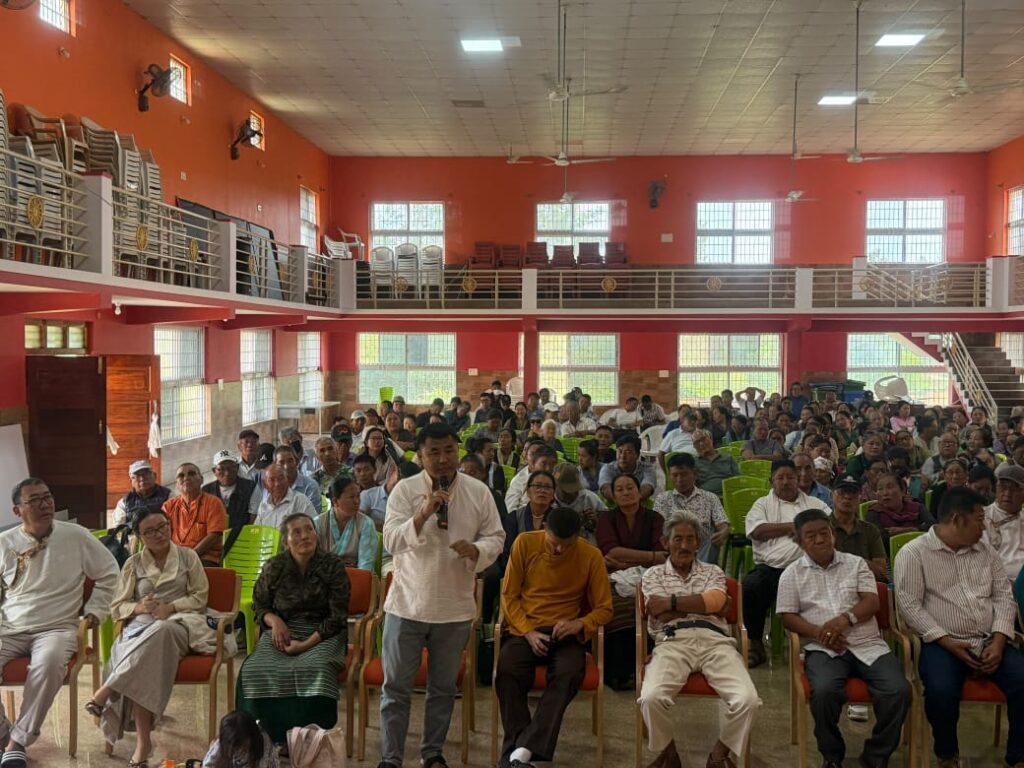
The public meetings concluded with question-and-answer sessions, during which community members raised issues related to the Department of Education.
As part of his official engagements in the settlements, the Kalon also visited Gyumed Monastery School, Gangchen Rigney Snow Lion School, and Zongsar Monastery School, where he interacted with administrators, students, and staff members.