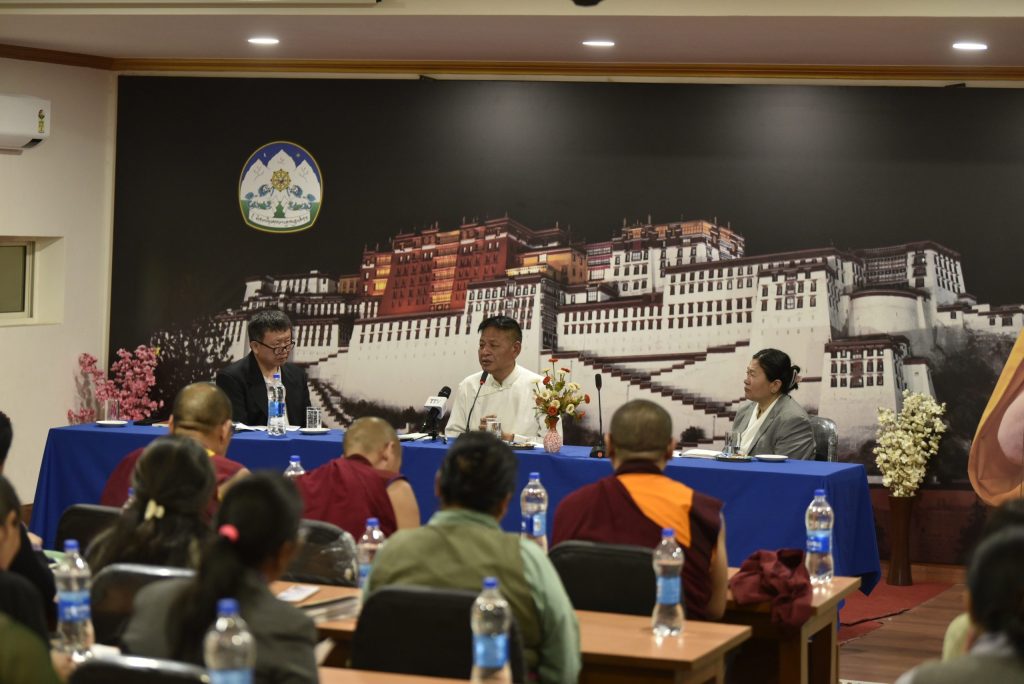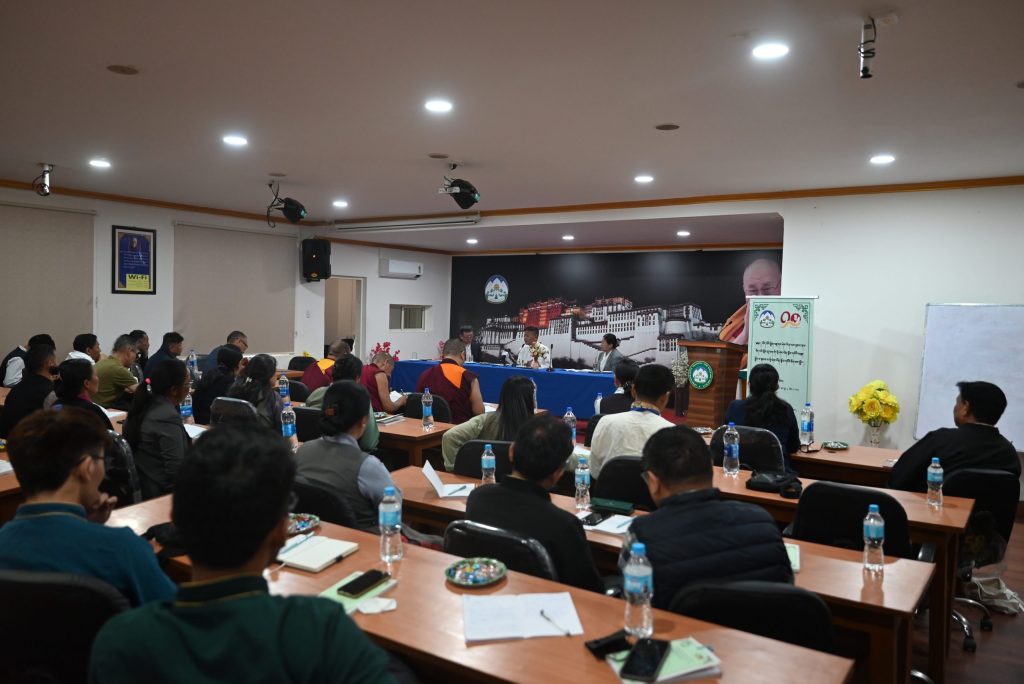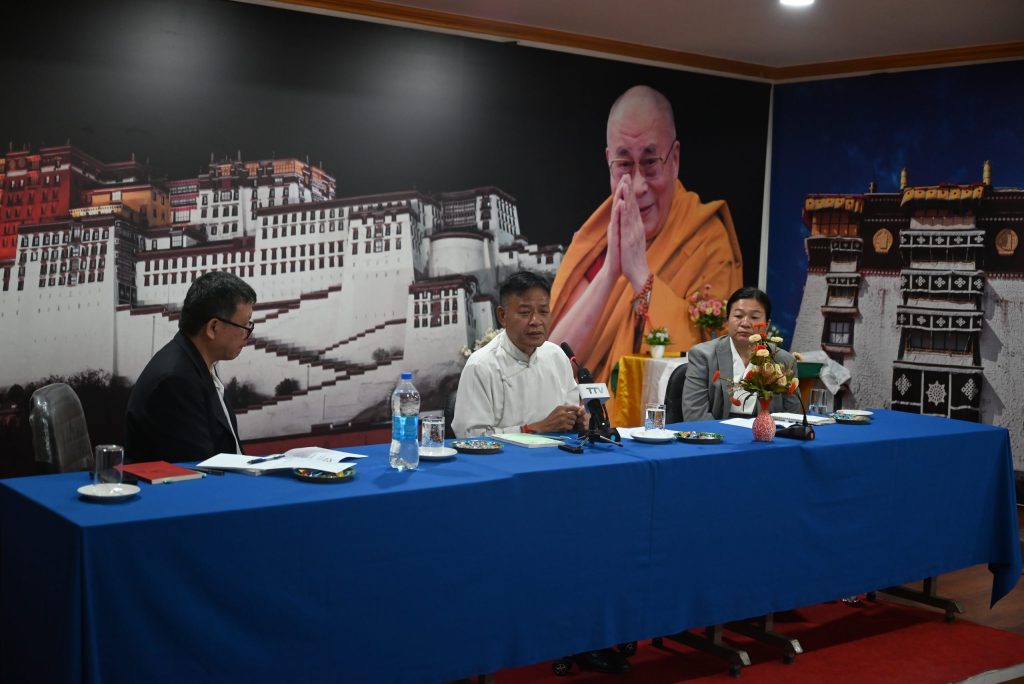
Dharamshala: The Department of Education (DoE) of the Central Tibetan Administration (CTA) commenced a three-day workshop on SEE Learning (Social, Emotional and Ethical Learning) for Tibetan school facilitators of the SEE Learning at the CTA Training Centre, Thumi Hall, within the Tibetan Reception Centre on 30 May 2026.
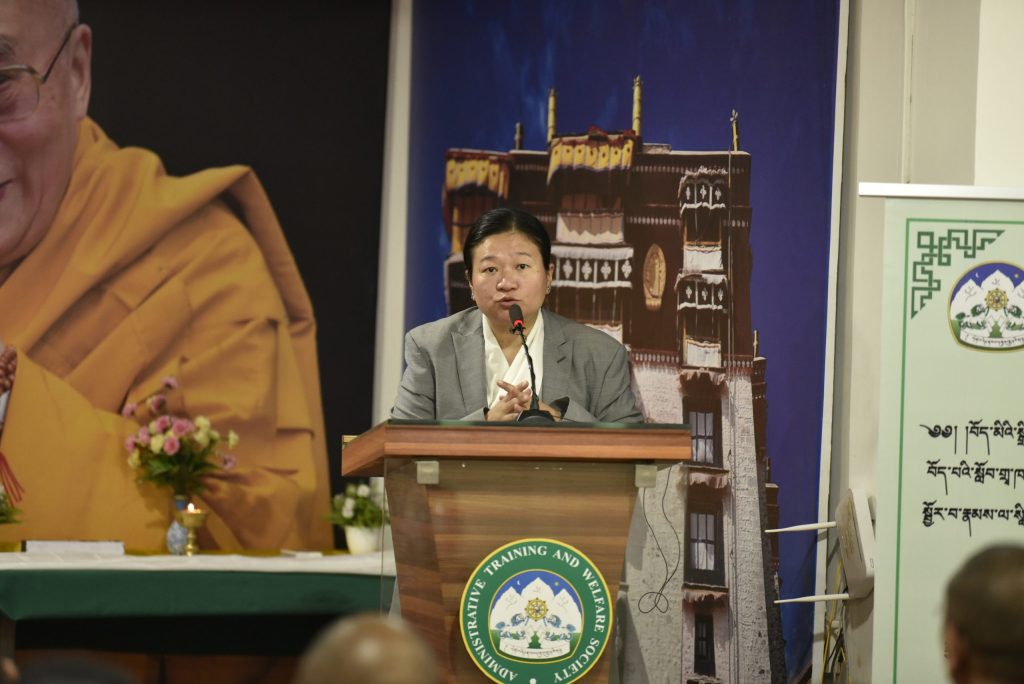
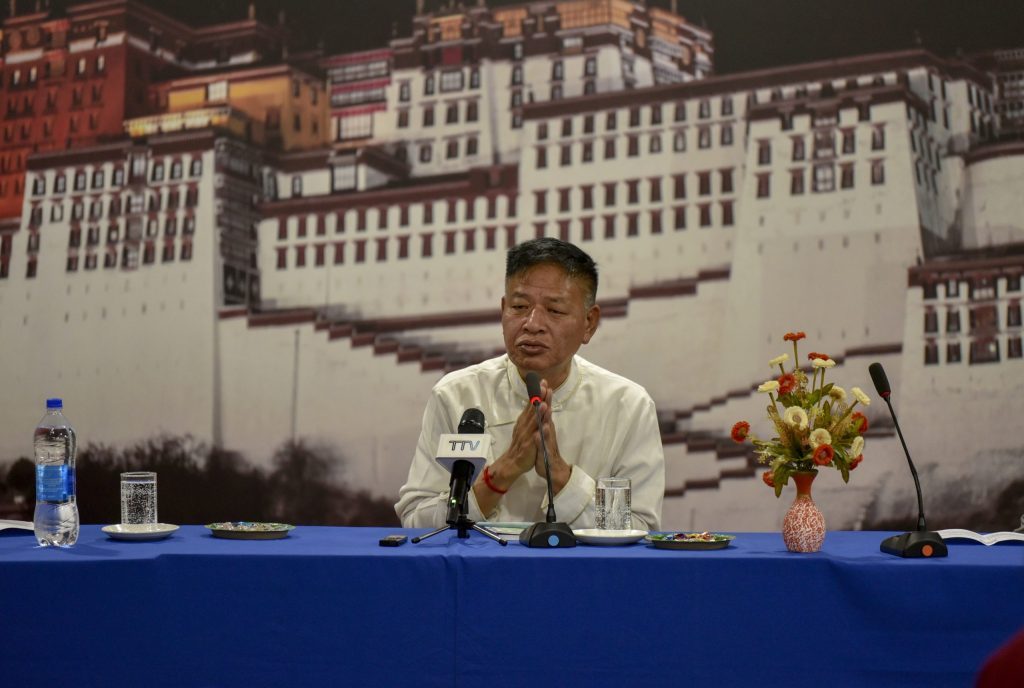
Sikyong Penpa Tsering attended the opening ceremony as the chief guest. The programme was also attended by Tenzin Pema, Education Council Director and Additional Secretary of the Department of Education, along with Tsondue Samphel, Assistant Director and SEE Learning programme facilitator from Emory University.
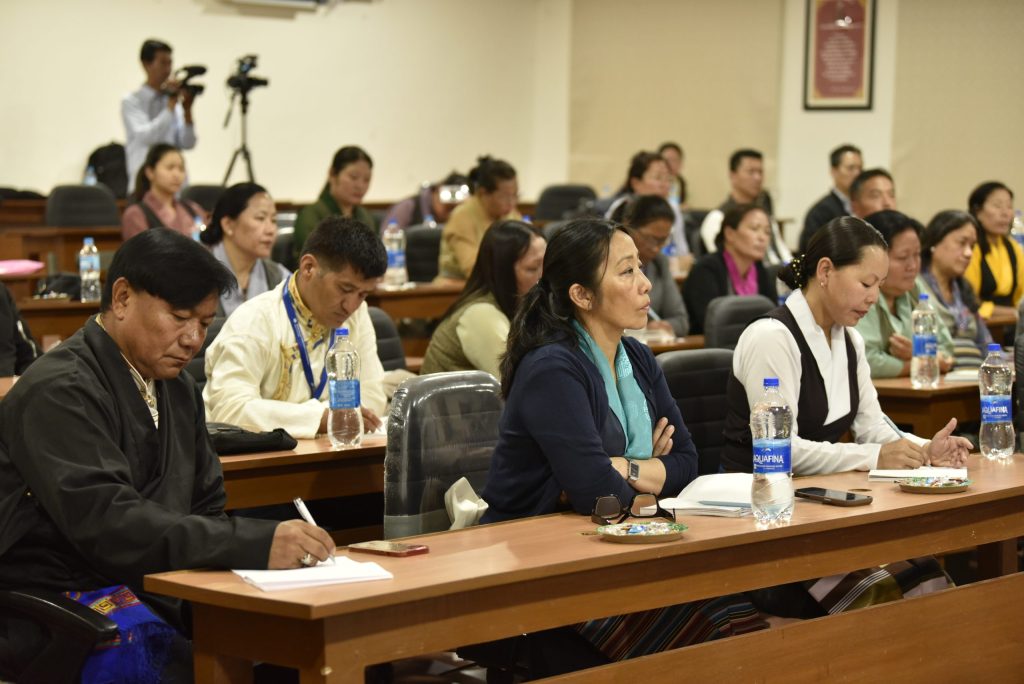
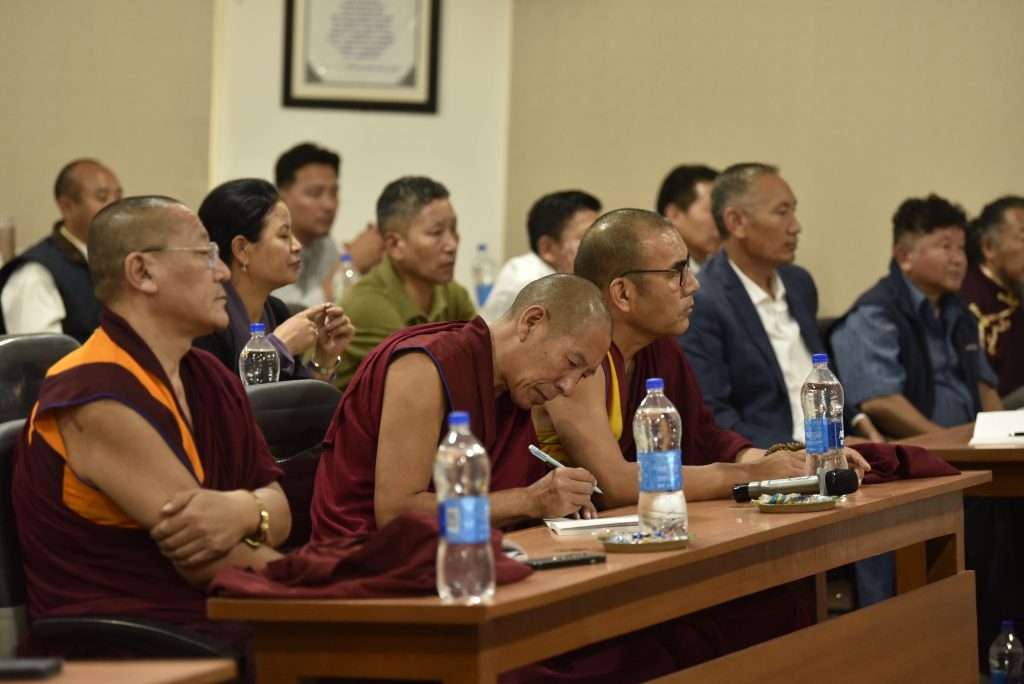
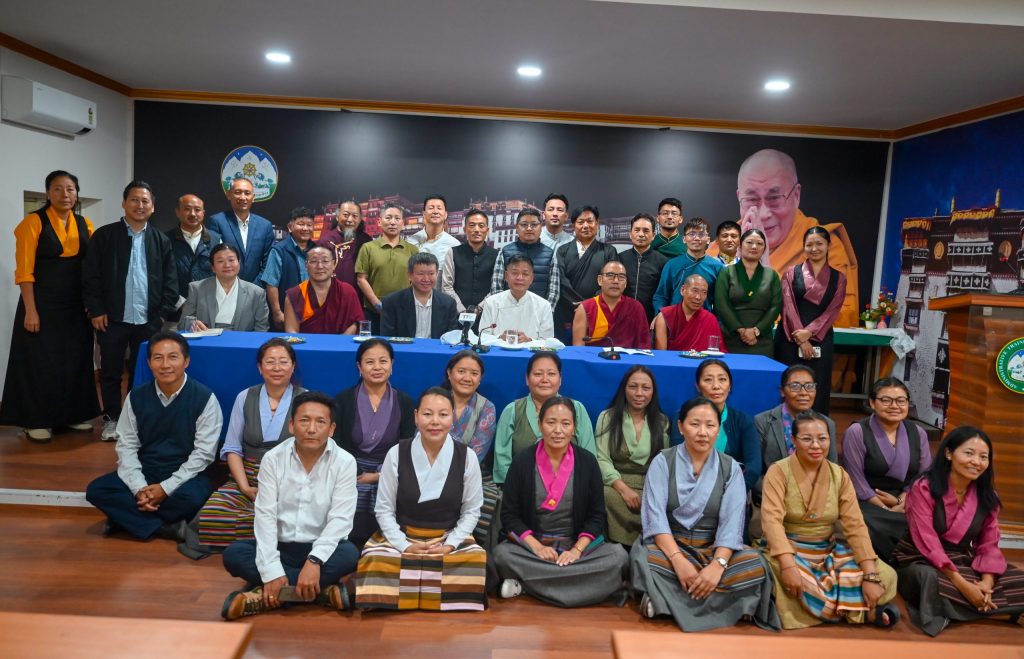
The workshop brought together 30 participants from 19 Tibetan schools, including principals, headmasters, assistant headmasters, SEE Learning facilitators, and teachers. Unlike previous workshops, this year’s programme also included school administrators and heads of schools, with a focus on strengthening leadership support for the effective implementation and practice of SEE Learning in Tibetan schools.
The workshop commenced with a welcome address and introductory remarks by Tenzin Pema, Director of the Education Council and Additional Secretary of the Department of Education. She presented an overview of the Department’s SEE Learning programme, outlining its history and development in Tibetan schools. She also highlighted the importance of SEE Learning in promoting students’ social, emotional, and ethical growth and supporting their holistic development.
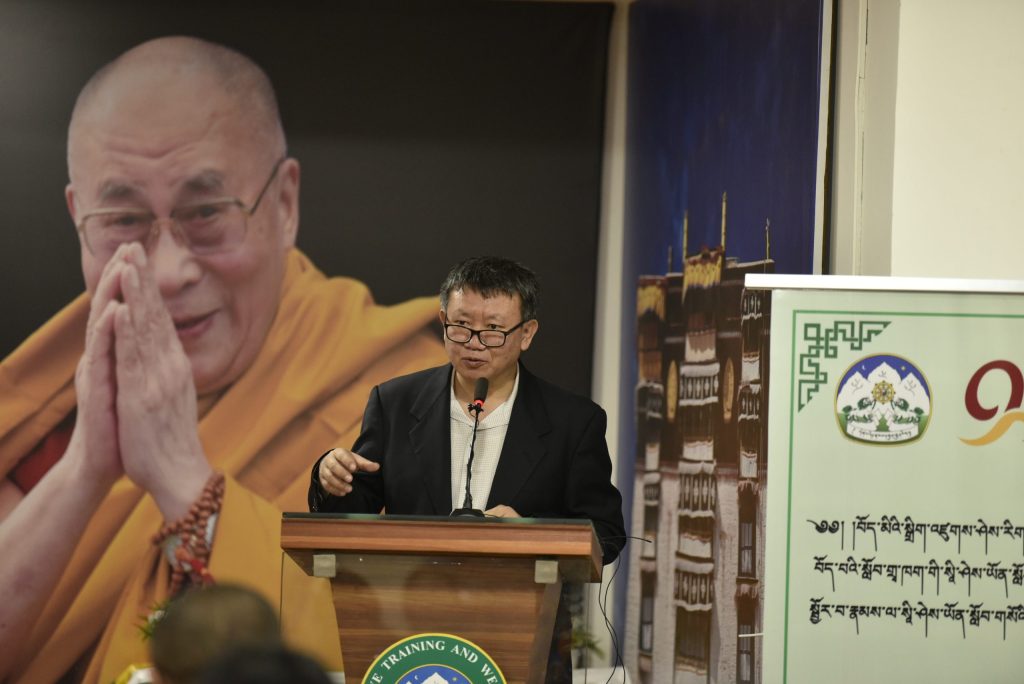
This was followed by remarks from Tsondue Samphel, Assistant Director and SEE Learning Programme Facilitator from Emory University, who highlighted the importance of education in addressing the challenges of the modern world. He emphasised the relevance of SEE Learning in nurturing inner values, compassion, and emotional well-being among students.
Speaking on the importance of cultivating inner spiritual values, he highlighted the importance of warm-heartedness, empathy, and ethical responsibility in education. He further briefed participants on the objectives of the training programme and encouraged facilitators to integrate SEE Learning principles into their educational practices.
In his keynote address, Chief Guest Sikyong Penpa Tsering highlighted that His Holiness the 14th Dalai Lama has consistently placed importance on Social, Emotional and Ethical (SEE) Learning and the promotion of universal human values. He noted that these values are essential for all people, irrespective of their religion, nationality, or cultural background.
Sikyong further explained that SEE Learning differs from religious teachings in that it is rooted in universal human values that are applicable to everyone. He emphasised that compassion, kindness, and ethical conduct are fundamental qualities that contribute to individual well-being and a more harmonious society.
Referring to the longstanding collaboration between the Department of Education and Emory University, Sikyong Penpa Tsering expressed appreciation for the continued guidance and support provided by Geshe Lobsang Tenzin Negi, Dr Tsondue Samphel, and the SEE Learning Initiative at Emory University in advancing SEE Learning programmes within the Tibetan community.
Sikyong remarked, “Every individual has different responsibilities and professions, but SEE Learning is something that every human being needs. It provides the foundation for positive growth and development in one’s life.”
Highlighting the importance of leadership in educational institutions, he noted that school administrators and teachers carry significant responsibilities in shaping the learning environment and influencing students’ development. He stressed that effective leadership fosters positive outcomes and contributes to the overall success of an institution.
Addressing the SEE Learning facilitators, Sikyong Penpa Tsering encouraged them to recognise the significant role they play in shaping the values and character of students. He urged them to actively incorporate the principles of SEE Learning into their teaching and daily interactions, stressing that their commitment and example would have a lasting impact on future generations.
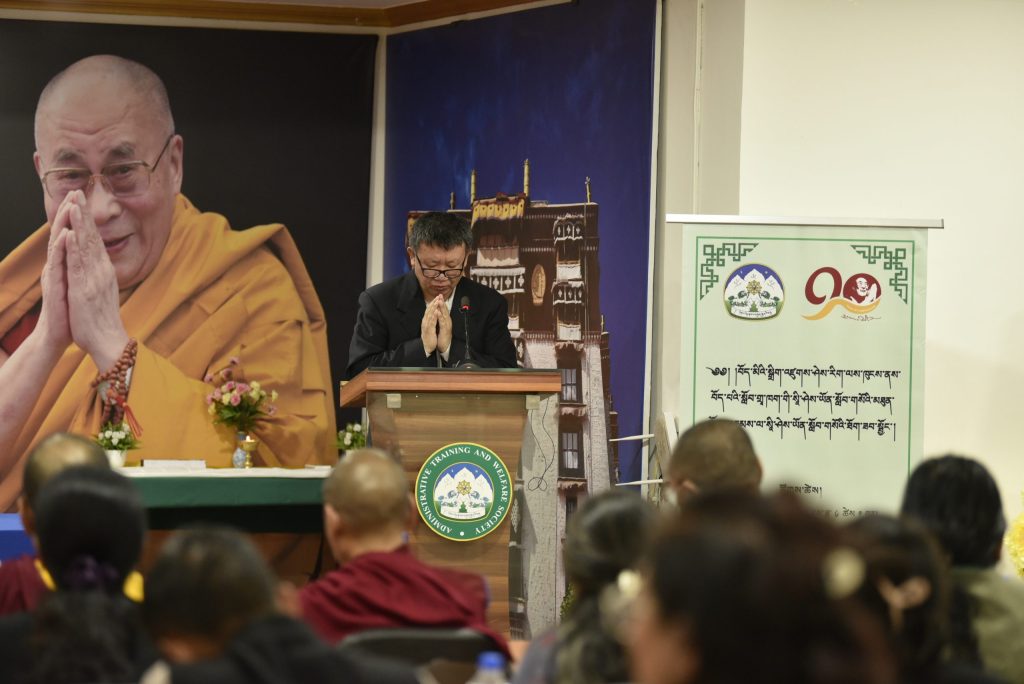
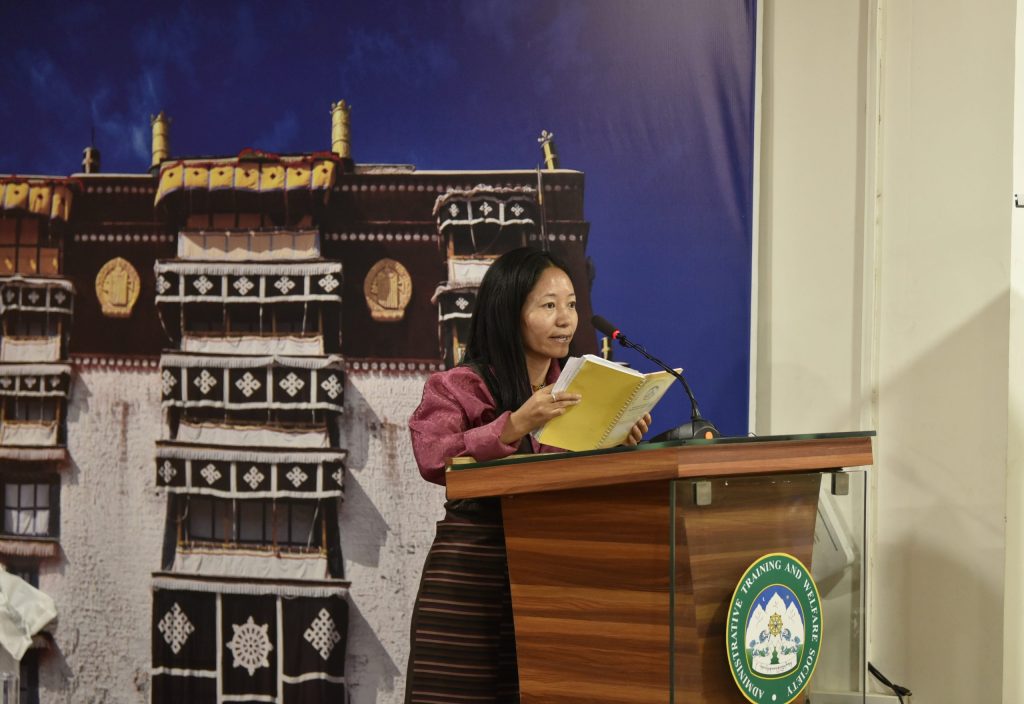
The opening ceremony concluded with a vote of thanks delivered by Karma Dekyi, Section Officer of the Department of Education and coordinator of the workshop. The three-day workshop is being conducted with the generous support of DANIDA through CICED and has brought together SEE Learning facilitators from various Tibetan schools.
Following the opening ceremony, the workshop continued with sessions on the importance and practical application of SEE Learning, its framework and overall approach, emotional regulation and attention training, forgiveness and tolerance, equanimity, and SEE Learning-related programmes implemented in educational institutions.
Over the course of the three-day training, participants will engage in discussions and activities covering a wide range of topics aimed at strengthening their understanding and implementation of SEE Learning practices in their respective schools. The workshop is being led by Geshe Lobsang Tenzin Negi and Dr Tsondue Samphel of Emory University, who are guiding participants through various aspects of SEE Learning and its practical application in educational settings.
Providing background on the programme, the Department of Education noted that SEE Learning workshops were first introduced in 2017. Since 2022, the Department has organised specialised training programmes for SEE Learning facilitators, through which more than 105 facilitators have received training.