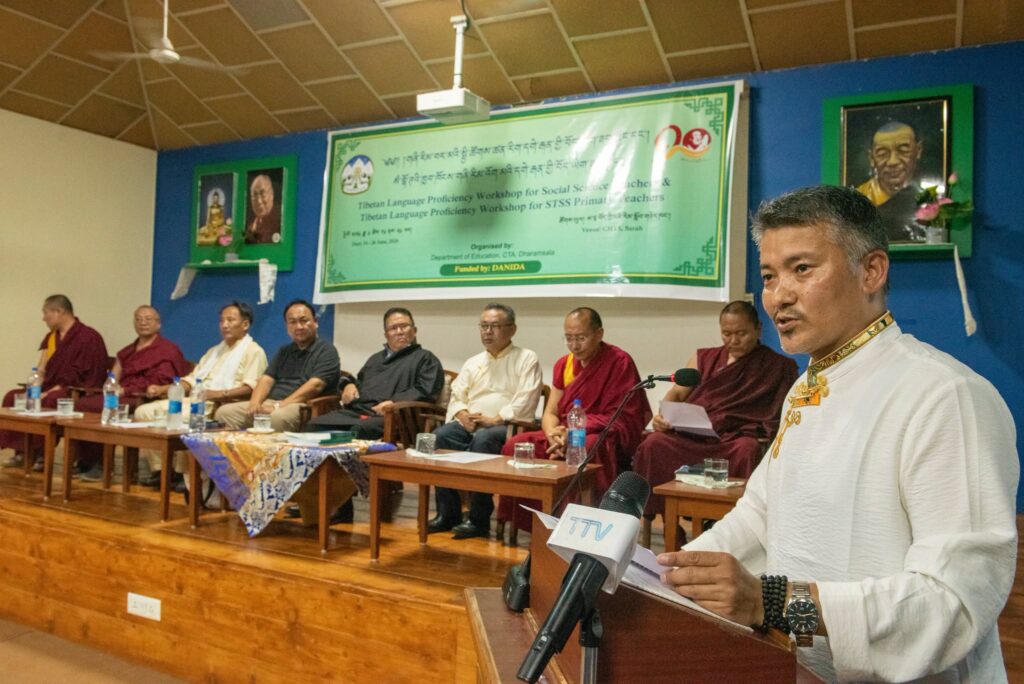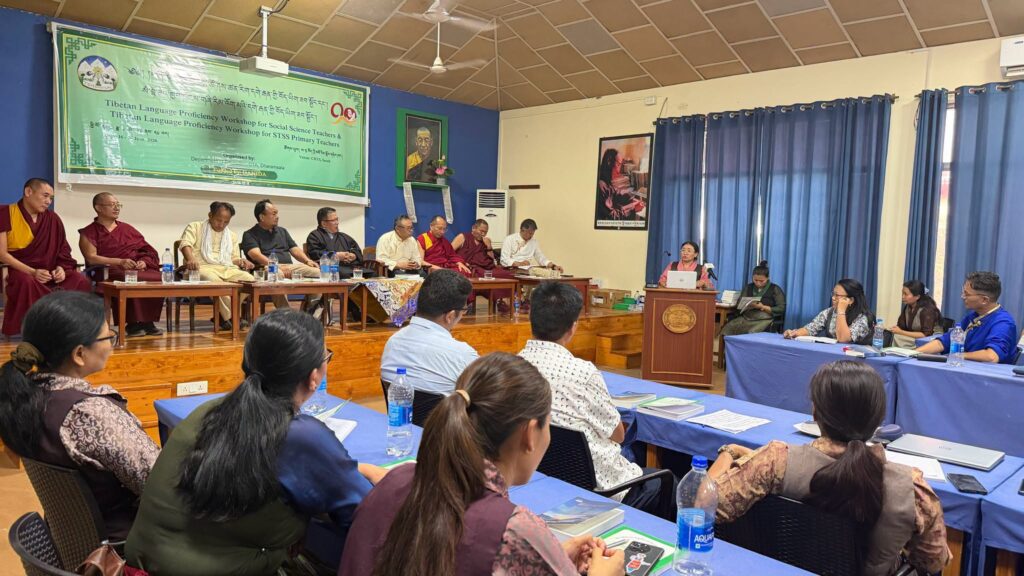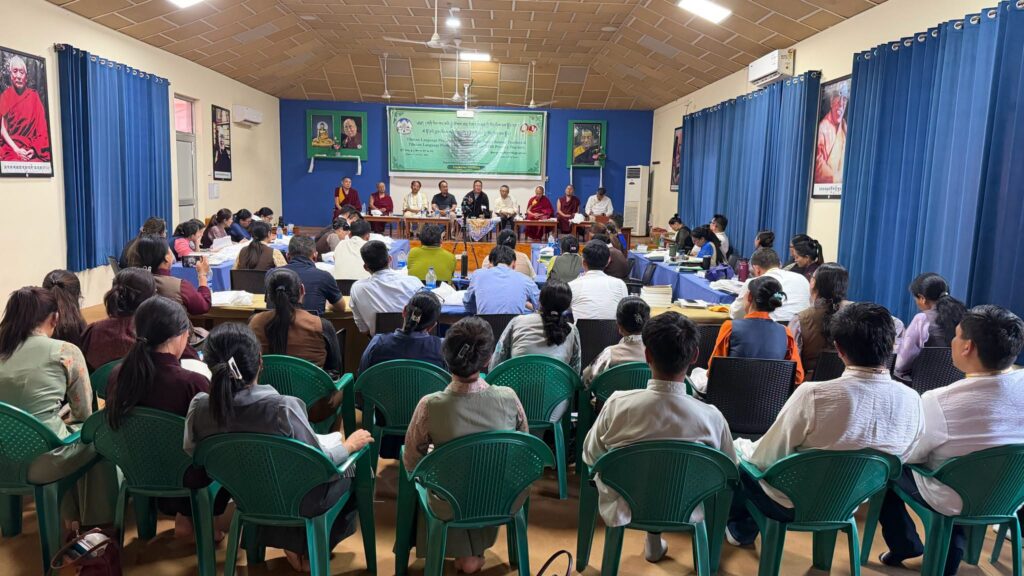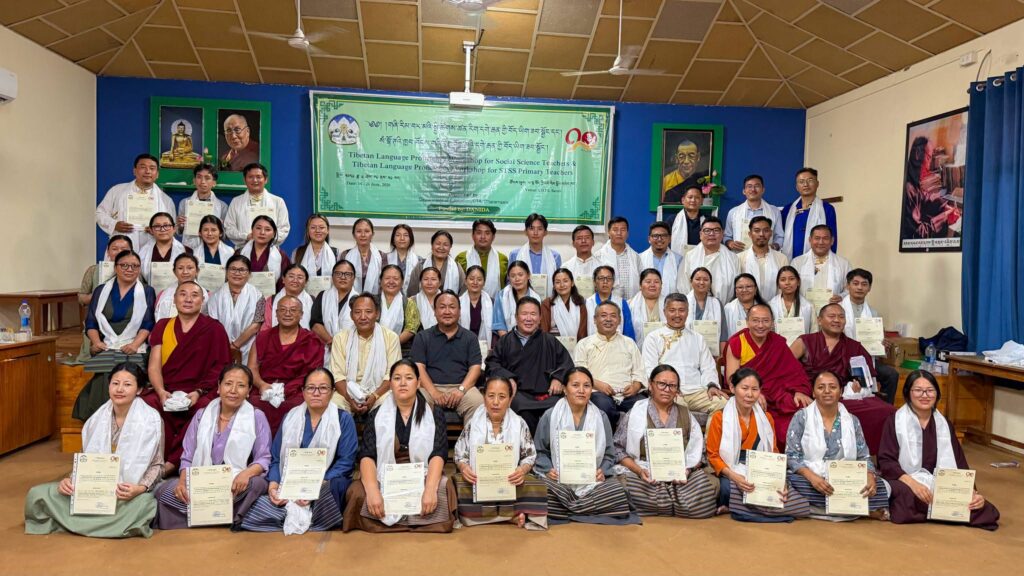
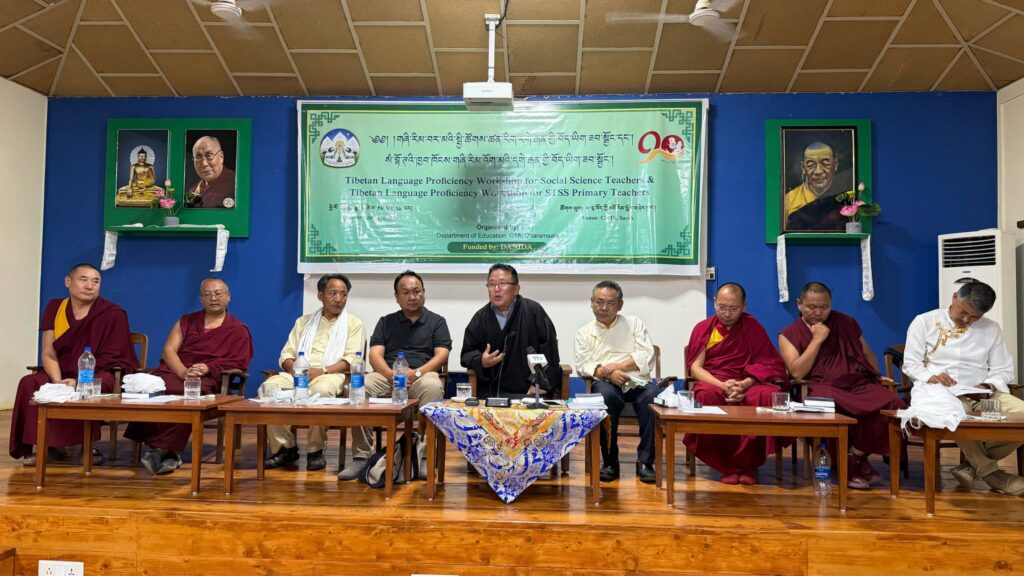
Dharamshala: The Department of Education, Central Tibetan Administration, concluded a 10-day Tibetan language proficiency training workshops for social science teachers and STSS primary school teachers on 26 June 2026 at the Tibetan College for Higher Studies, Sarah. The workshops, held from 16 to 26 June, focused on enhancing teachers’ Tibetan language proficiency and equipping them with effective teaching methods in line with the Tibetan Basic Education Policy. The concluding ceremony was attended by Education Kalon Ugyen Tenzin, as the chief guest.
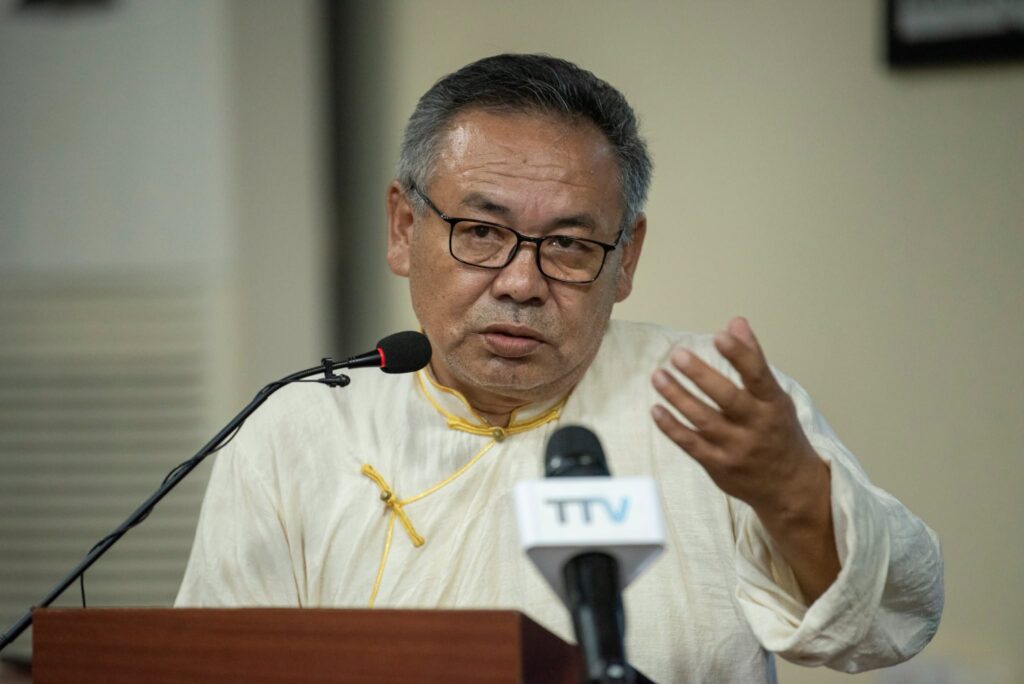
During the closing ceremony, Ngodup Tenpa of the Academic Section, Department of Education, highlighted the successful completion of the 10-day Tibetan Language Proficiency Training, which brought together 48 teachers, including 30 social science teachers and 18 primary school teachers from Sambhota schools, TCV schools, and the Mussoorie school. He commended the participants for their dedication, enthusiasm, and hard work throughout the training, noting their strong concentration and commitment to improving their Tibetan language proficiency. He also appreciated the teachers’ sincere engagement with the curriculum and encouraged them to continue studying and strengthening their language skills through the prescribed textbooks. Concluding his remarks, he urged all participants to read Voice for the Voiceless by His Holiness the Dalai Lama in the Tibetan language as part of their continued learning and professional development.
Following that, three teachers representing the Social Science and Primary School teacher participants from Sambhota Tibetan Schools Society (STSS) shared their experiences and reflections on the 10-day Tibetan Language Proficiency Training. Speaking on behalf of the participants, they highlighted the knowledge and skills they had gained through the programme and expressed their appreciation to the Department of Education and the Tibetan College for Higher Studies, Sarah, for organising the training. They also thanked the faculty members and staff for their dedicated guidance, excellent facilities, and support throughout the programme, describing the training as a valuable and enriching learning experience.
Following the sharing of experiences by the teacher representatives, the chief guest, Kalon Ugyen Tenzin, presented course completion certificates and ceremonial white scarves to all 48 participating teachers in recognition of their successful completion of the training programme.
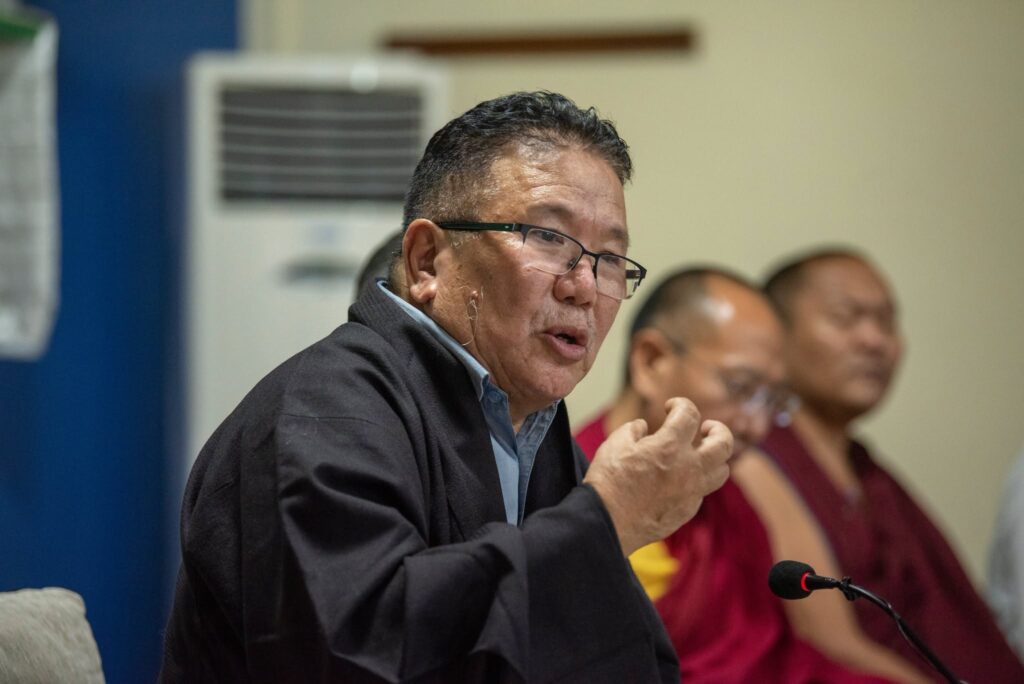
Addressing the gathering, Passang Tsering, Principal of the Tibetan College for Higher Studies, Sarah, emphasised the vital role of teachers in shaping society and nurturing future generations. He noted that the success of students depends largely on the dedication, effort, and commitment of their teachers, urging them to go beyond classroom instruction and inspire students to think critically about their future while instilling a strong sense of responsibility towards the Tibetan cause.
He further stressed that teachers have the unique ability to influence the direction of their students’ lives by encouraging them to preserve the Tibetan language, religion, and culture while pursuing their personal aspirations. Reaffirming the College’s commitment to safeguarding Tibetan heritage, he said the institution would continue to provide platforms and opportunities to strengthen Tibetan language and cultural preservation through similar initiatives.
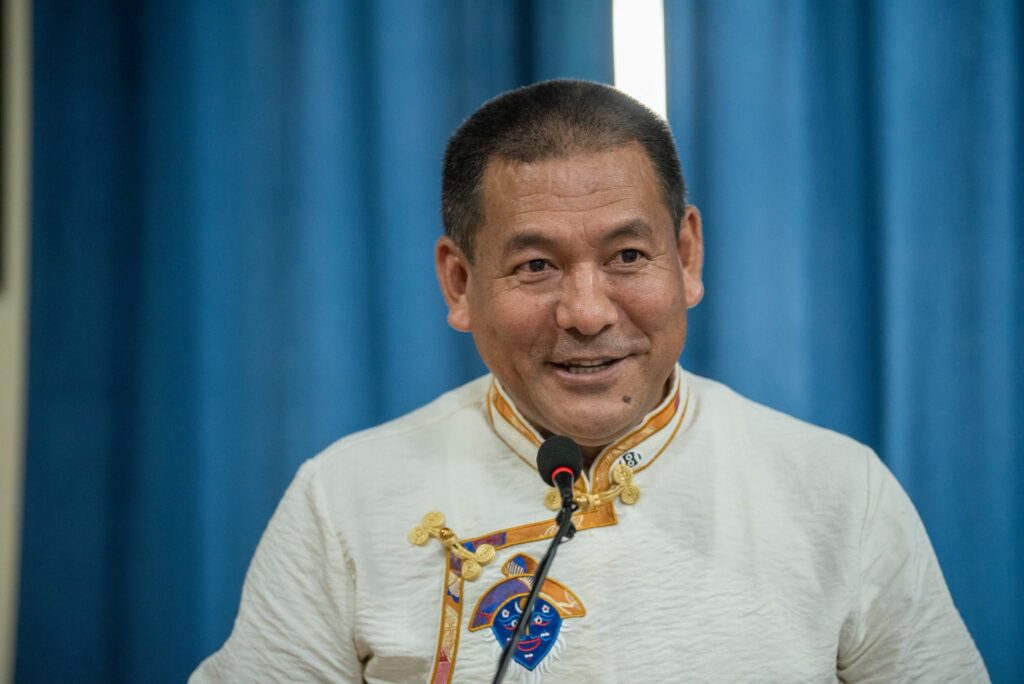
In his address, Kalon Ugyen Tenzin congratulated the participants on successfully completing the workshop and expressed his gratitude to the teachers and faculty of the Tibetan College for Higher Studies, Sarah, for organising the programme. He emphasised that the knowledge and skills gained during the 10-day workshop should continue to be practised and strengthened, as the ultimate beneficiaries are the students. He noted that teaching is not merely a profession for earning a livelihood, but a responsibility to nurture future generations, contribute to society, safeguard the Tibetan identity, and uphold the vision of His Holiness the Dalai Lama.
Referring to the Tibetan Basic Education Policy, the Kalon highlighted the central role of teachers, stating that they are expected to possess knowledge, good character, and well-rounded qualities while adapting their teaching to meet students at their level of learning. He also underscored the importance of the Tibetan language within the education policy and announced plans to develop a teachers’ handbook containing practical guidelines to help educators effectively implement Tibetan language teaching methods in accordance with the policy.
Kalon also drew attention to the ongoing challenges facing Tibetan education inside Tibet, stating that Tibetan children are being placed in colonial-style boarding schools where they are separated from their families and educated primarily in Chinese, limiting opportunities to learn their mother tongue. He expressed concern that recent Chinese policies, including the Ethnic Unity Law set to take effect on 1 July, further promote the sinicisation of Tibetans and threaten the preservation of Tibetan language, religion, and culture. Stressing that language is the foundation of a people’s identity, he urged teachers in exile to redouble their efforts in preserving the Tibetan language and nurturing students who are committed to the Tibetan cause and their community.
Addressing the teachers directly, the Kalon acknowledged the sacrifices many had made to attend the workshop, including leaving their families behind, and assured them that the Department of Education would continue improving support and explore ways of bringing similar training programmes to remote Tibetan schools. He encouraged teachers to remain steadfast in their profession despite the challenges they face, describing teaching as one of the most meaningful and rewarding careers. He concluded by expressing confidence that the lifelong impact teachers have on their students and society would leave them with no regrets in choosing the profession.