Mundgod, Karnataka: Kalon (Minister) Urgen Tenzin of the Department of Education, Central Tibetan Administration (CTA), accompanied by Jamyang Wangyal, Head of the Department’s Modern Education and Counselling Section, arrived at Mundgod Doeguling Tibetan Settlement in Karnataka at around 9:30 p.m. on 2 October 2026.
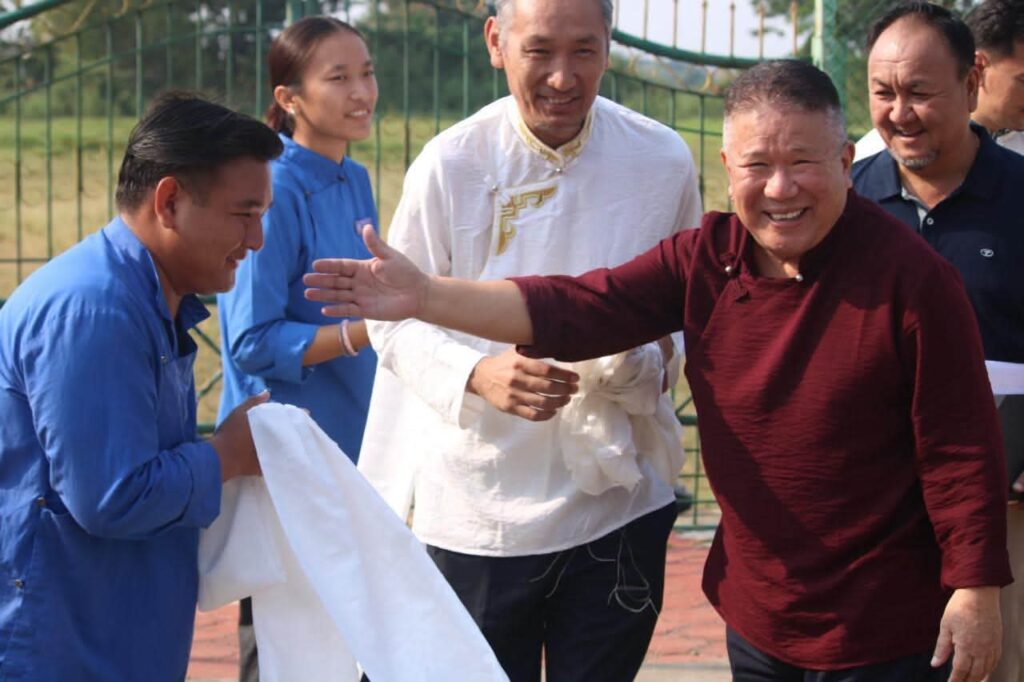
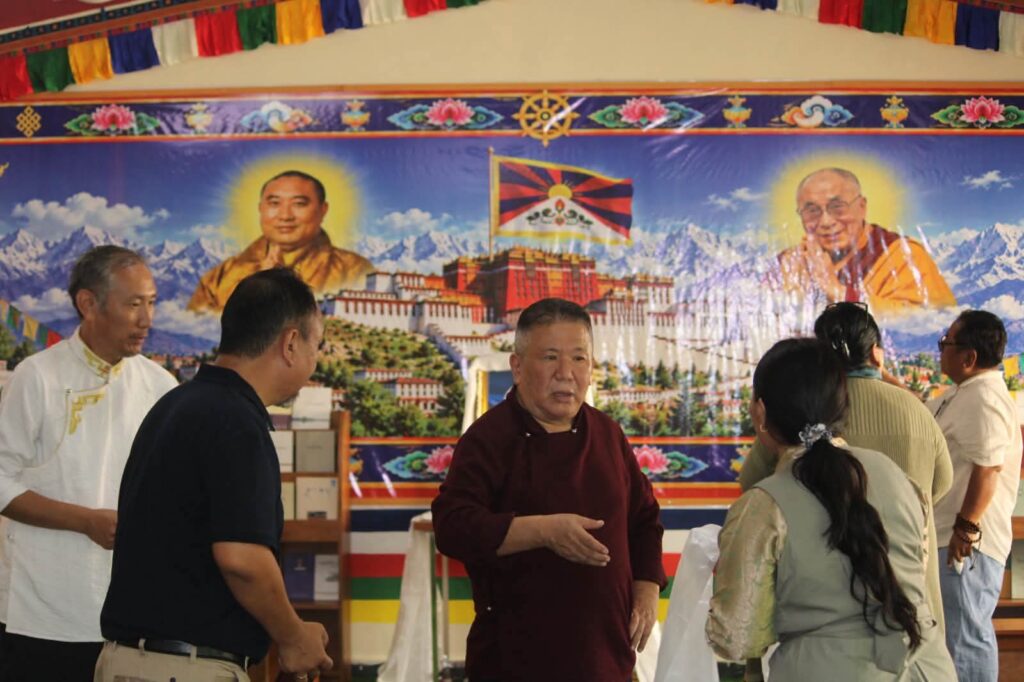
On the morning of 3 October, a welcome reception was organised at the Tibetan Settlement Office by representatives of 26 local government and non-government organisations.
The Education Kalon subsequently visited Sambhota Tibetan School (STS), Mundgod, where he was warmly received by the school principal, rector, teachers and students with a school band. During the morning assembly, the school principal presented a report on the school.
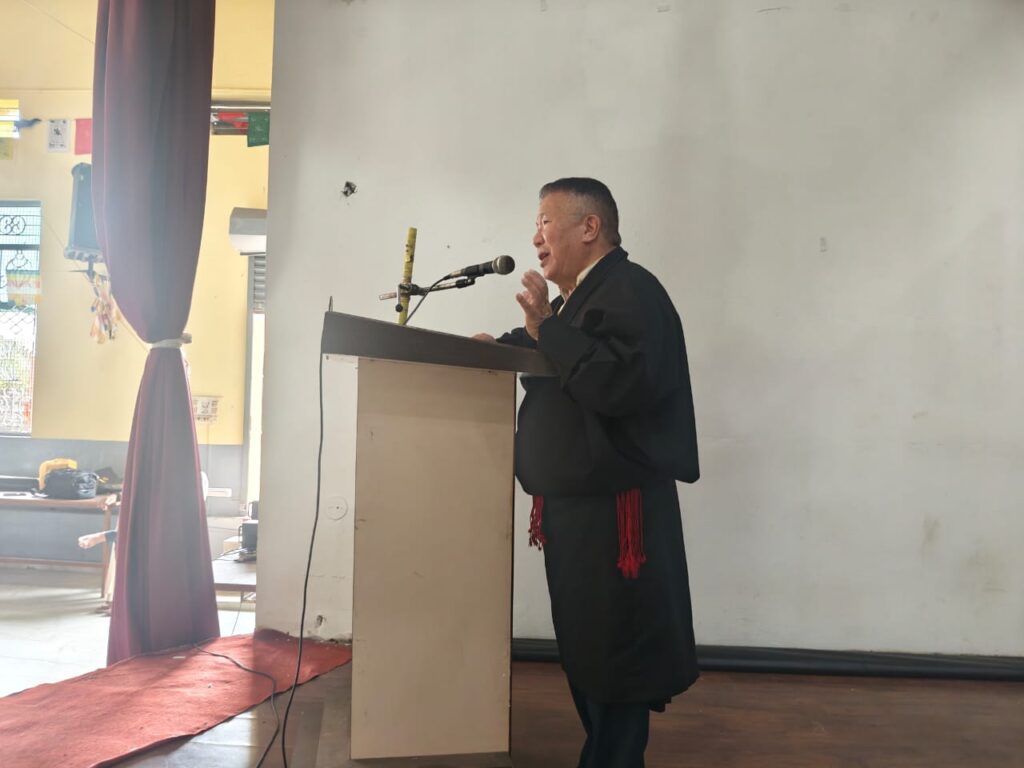
Addressing the gathering, the Education Kalon spoke on the importance of the Basic Education Policy (BEP) and elaborated on its four fundamental principles. He encouraged teachers to incorporate these principles into their teaching and other school activities. He also emphasised the need to provide students with greater awareness of Tibet’s history and the ongoing Tibetan struggle, while fostering a sense of responsibility towards the Tibetan cause.
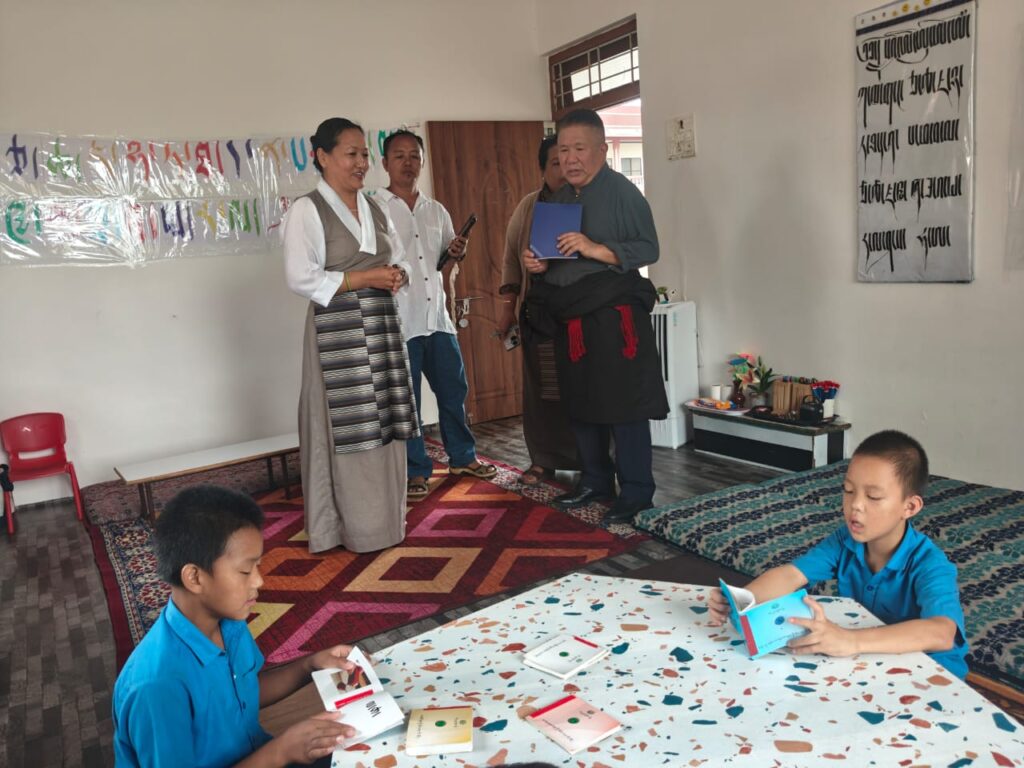
The Education Kalon also addressed the students and staff on the implications of the Chinese so-called “Law on Promoting Ethnic Unity and Progress”. He underscored the importance of preserving and strengthening the Tibetan language and culture, and reminded the students of their role as the future of the Tibetan struggle.
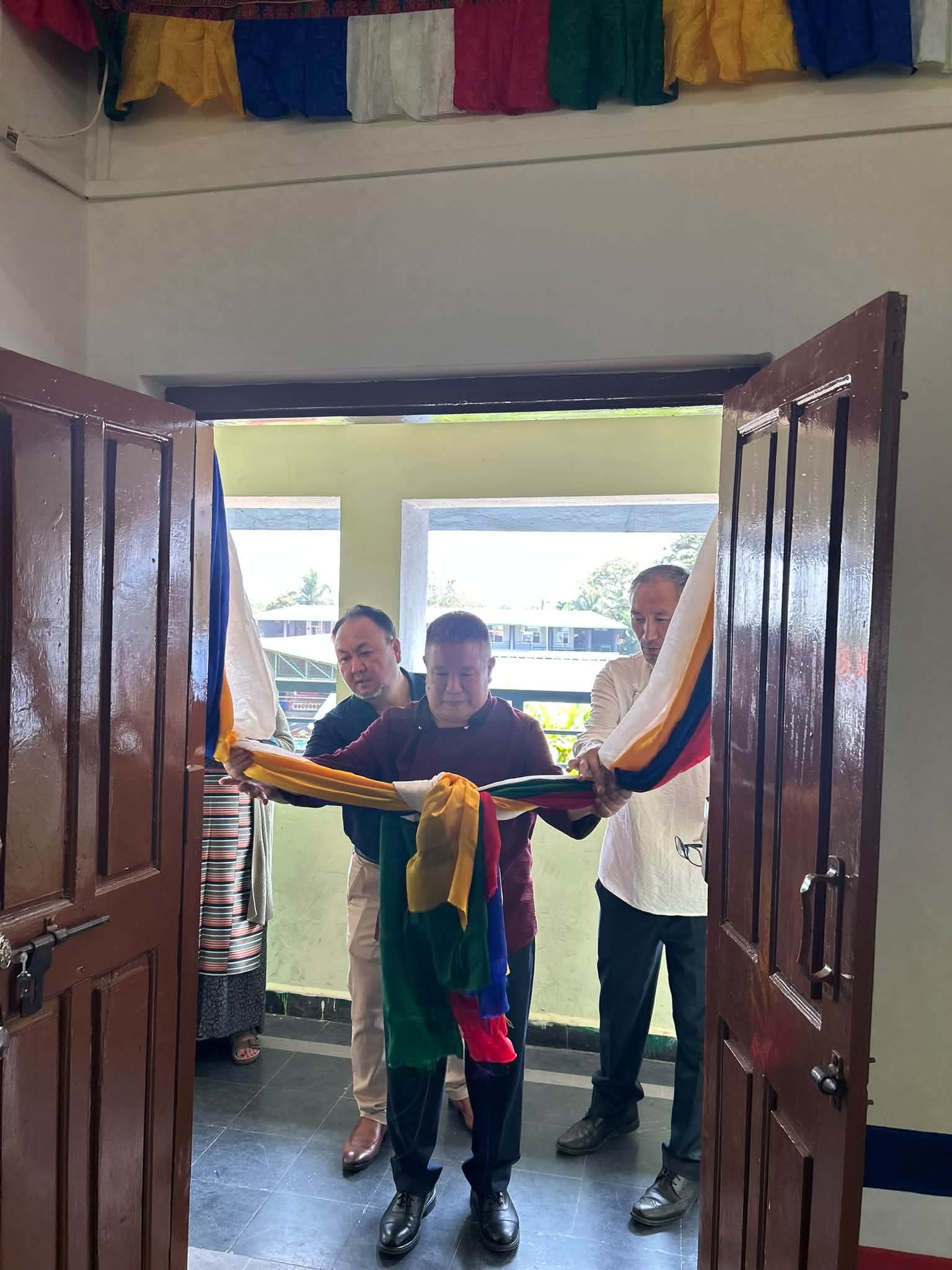
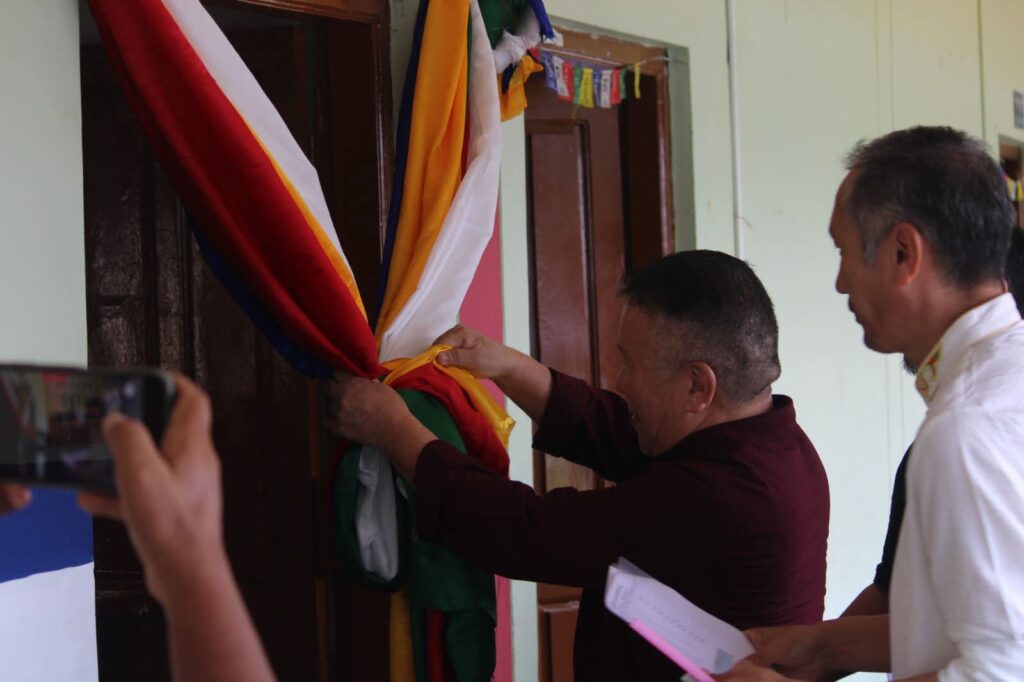
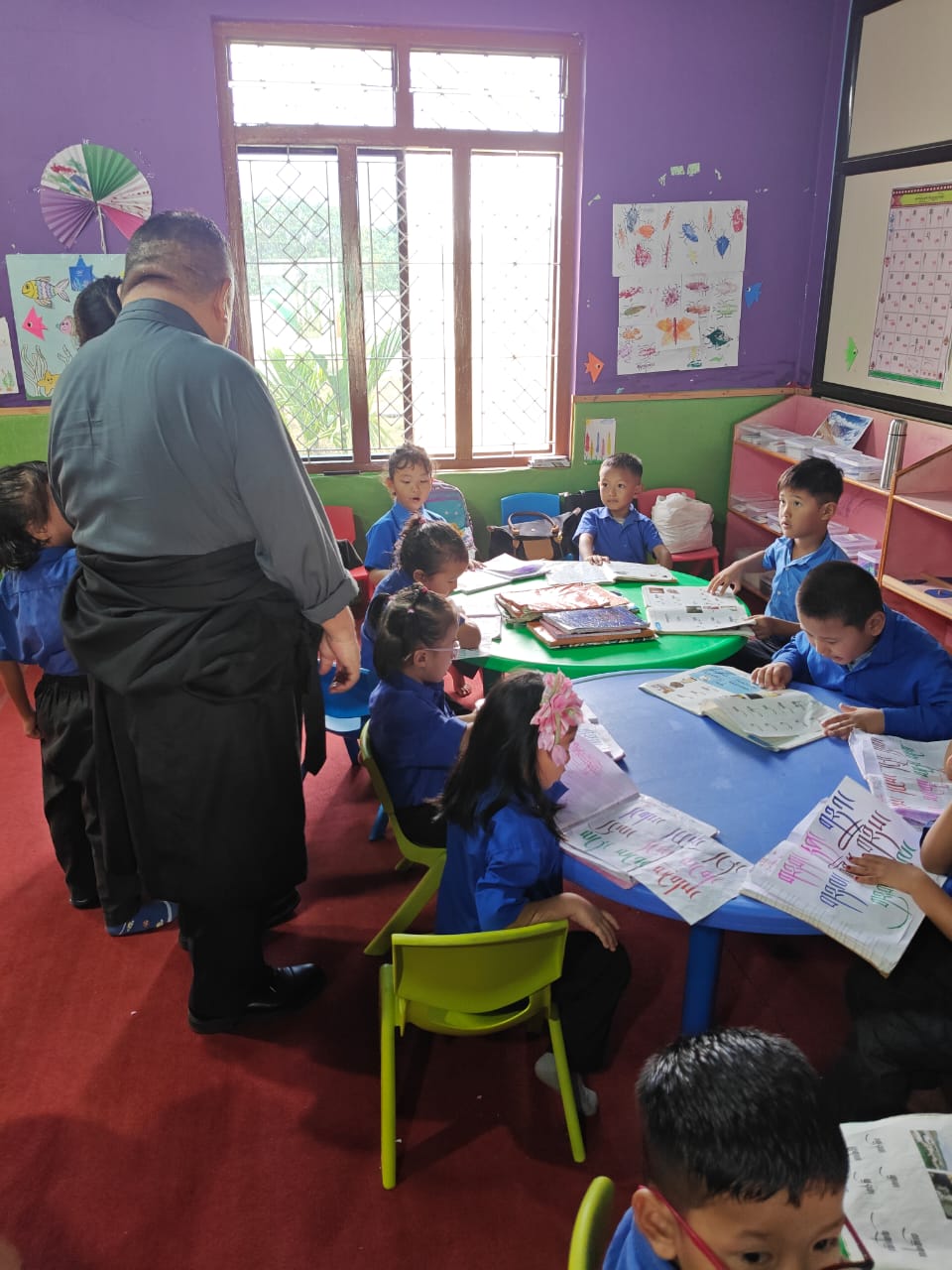
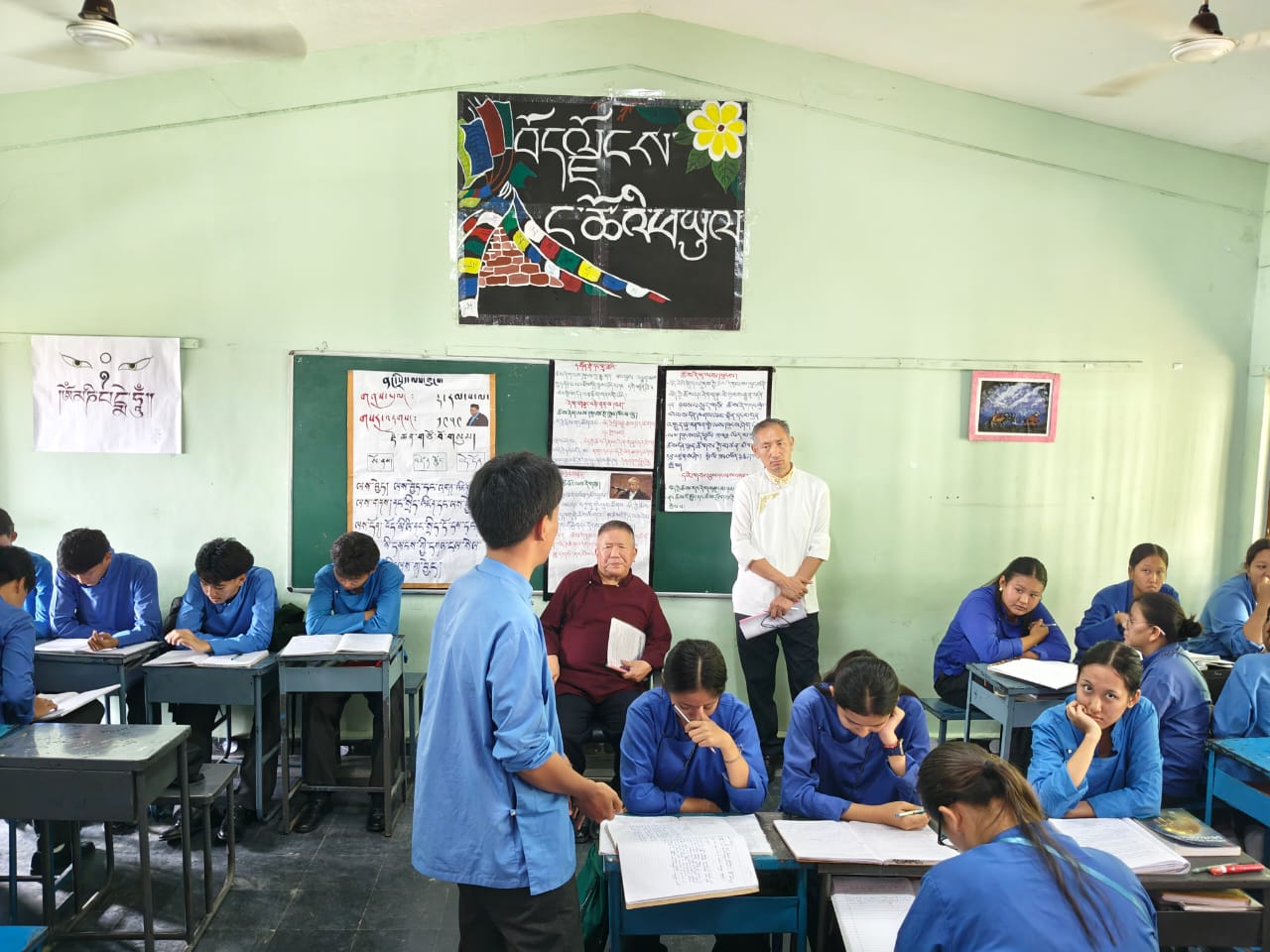
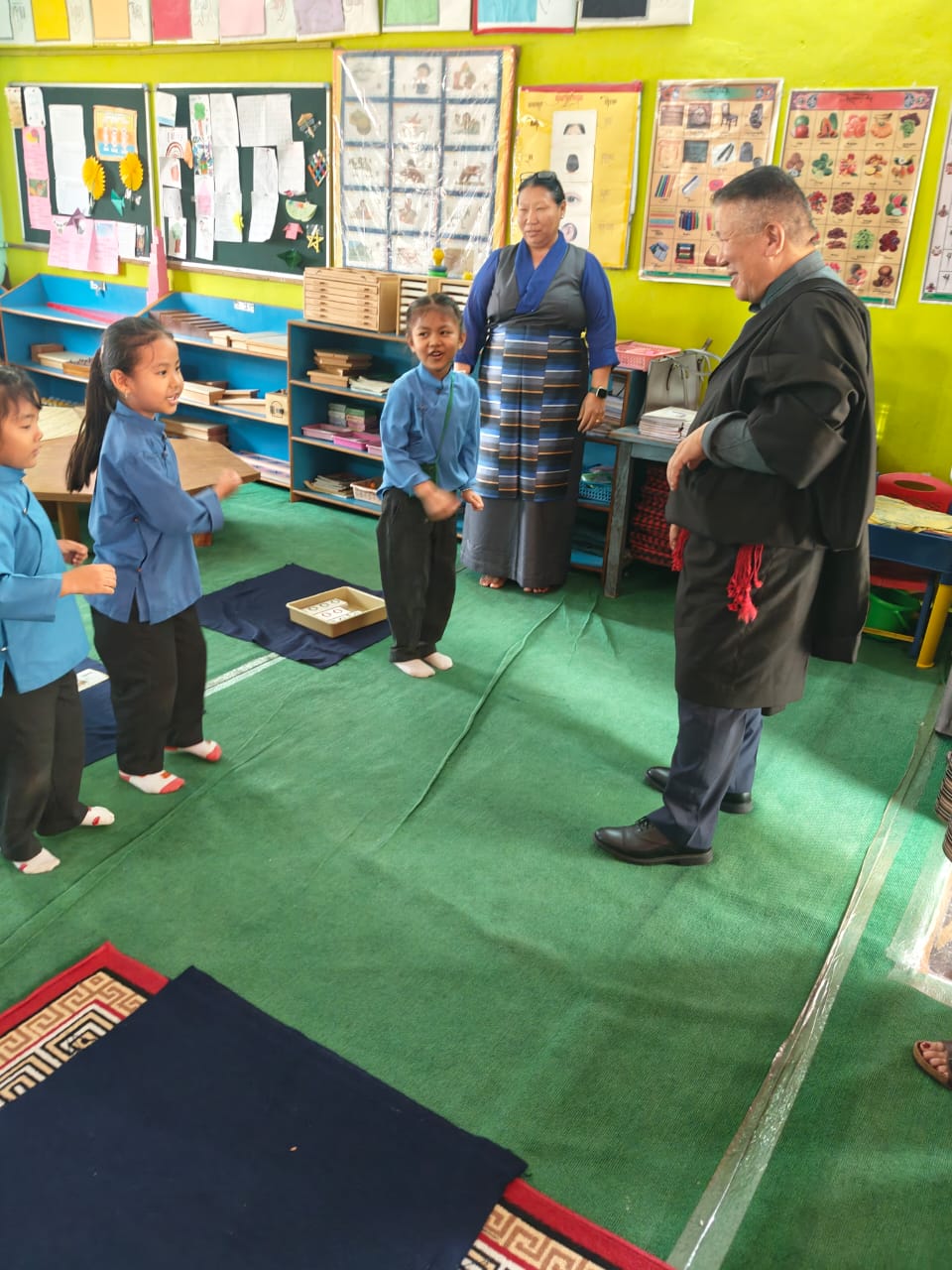
Following the assembly, the Education Kalon inspected classrooms and interacted with students and teachers. He also inaugurated the Tibetan Language Lab, an important initiative of the Department of Education.
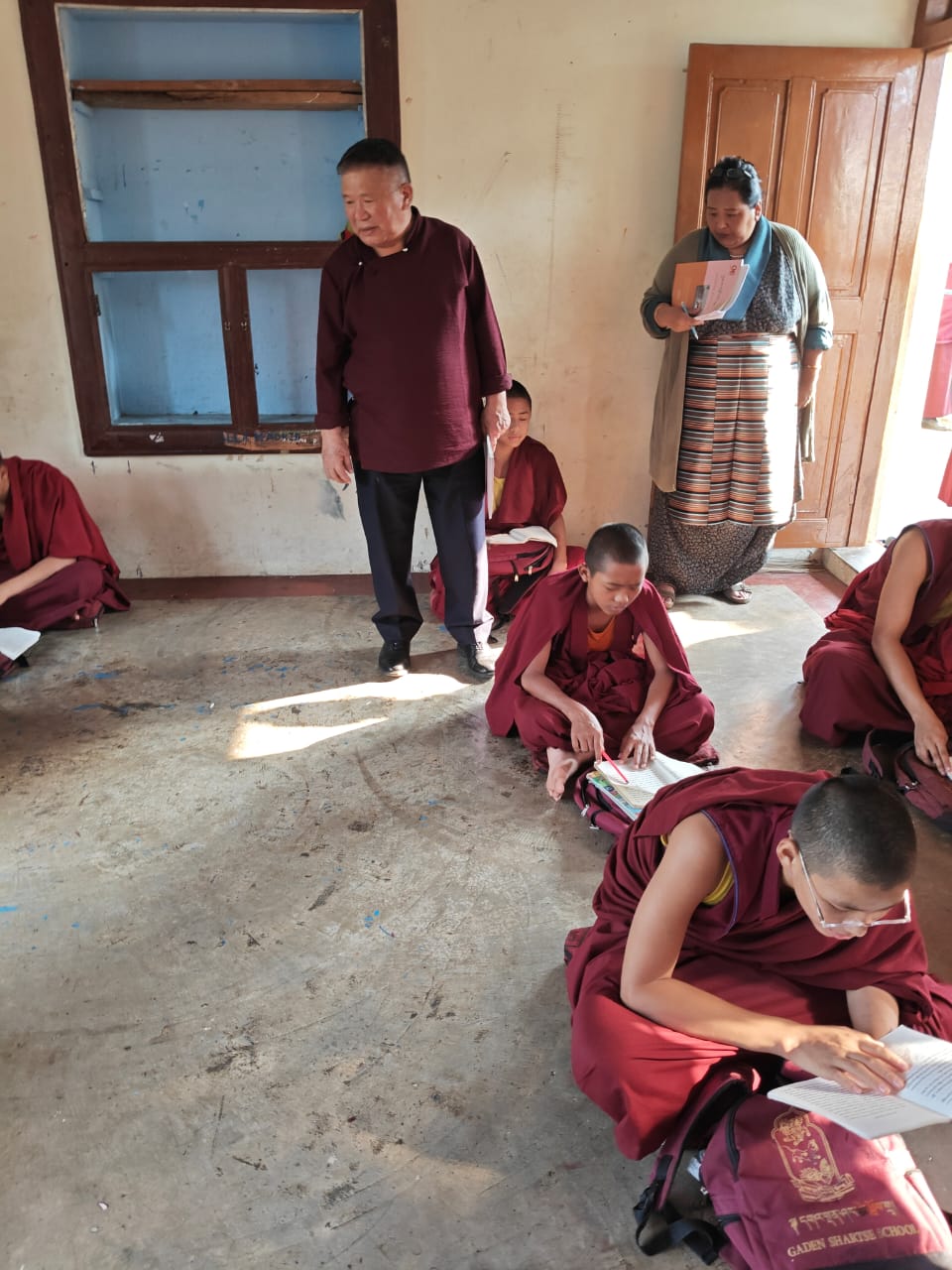
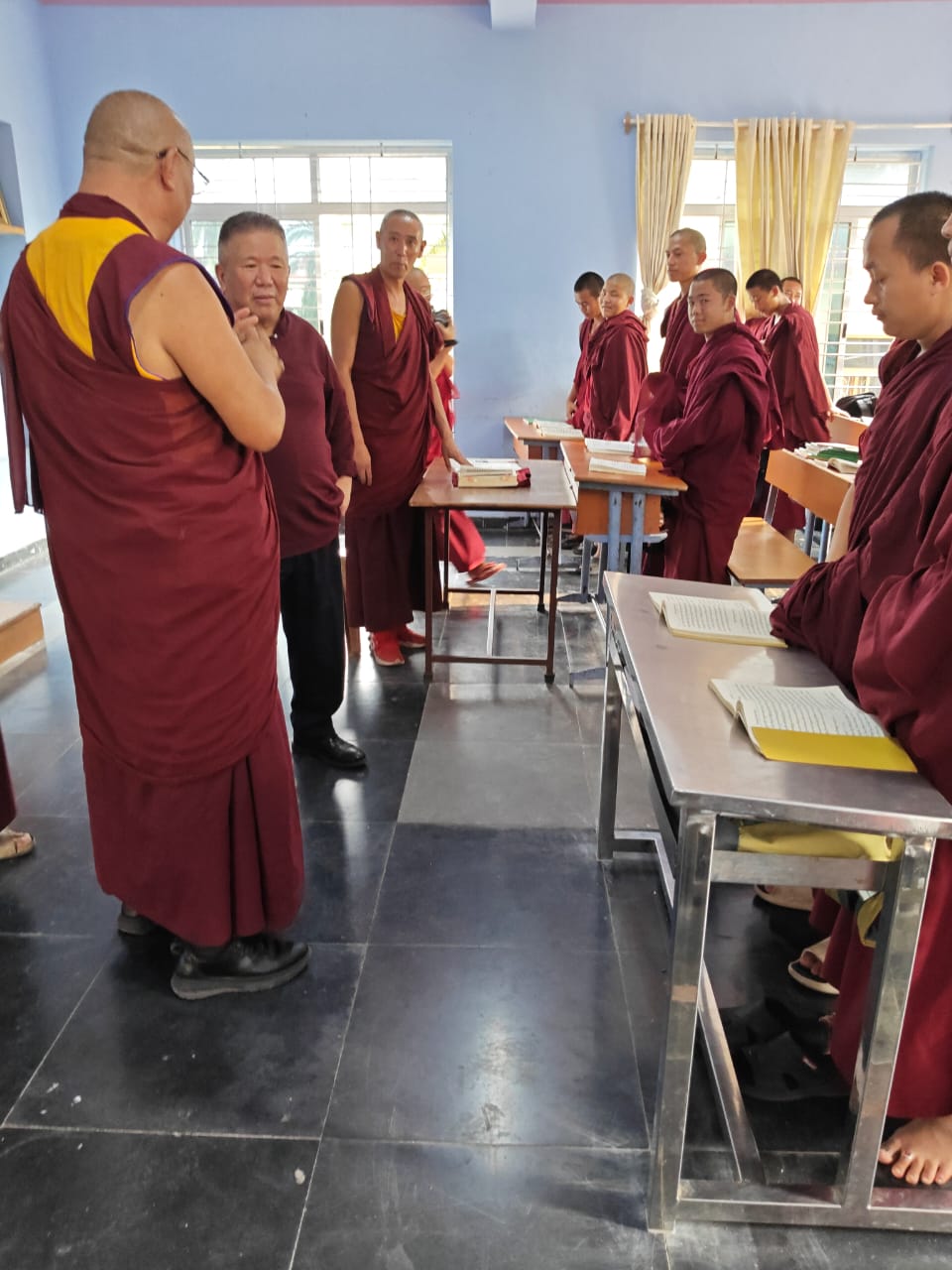
In the afternoon, the Education Kalon visited STS Mundgod Branch I, where he interacted with students and staff and inspected the classrooms. He subsequently visited Shartse and Jangtse schools of Gaden Monastery, observing classes and holding discussions with the school principals on academic activities and school administration.
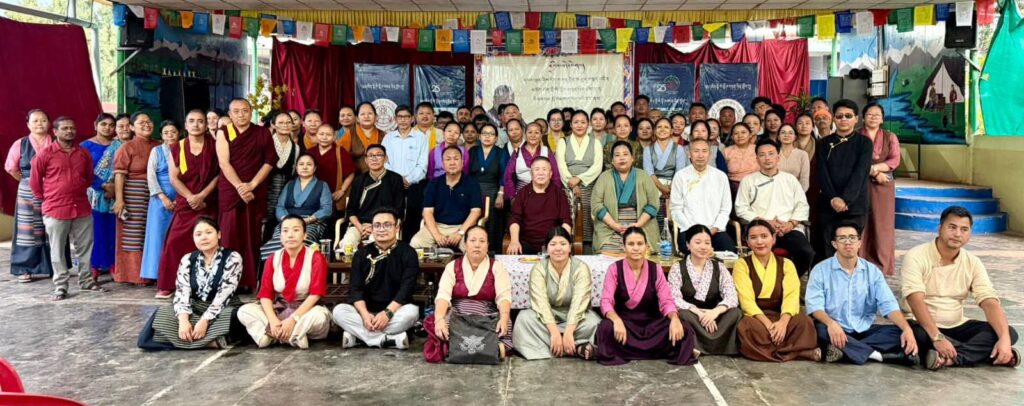
In the evening, the Education Kalon held a meeting with the staff of the three STS schools in Mundgod. He commended the teachers for their dedicated service and encouraged them to continue their efforts in guiding and nurturing Tibetan children. He also responded to questions raised by the teachers.
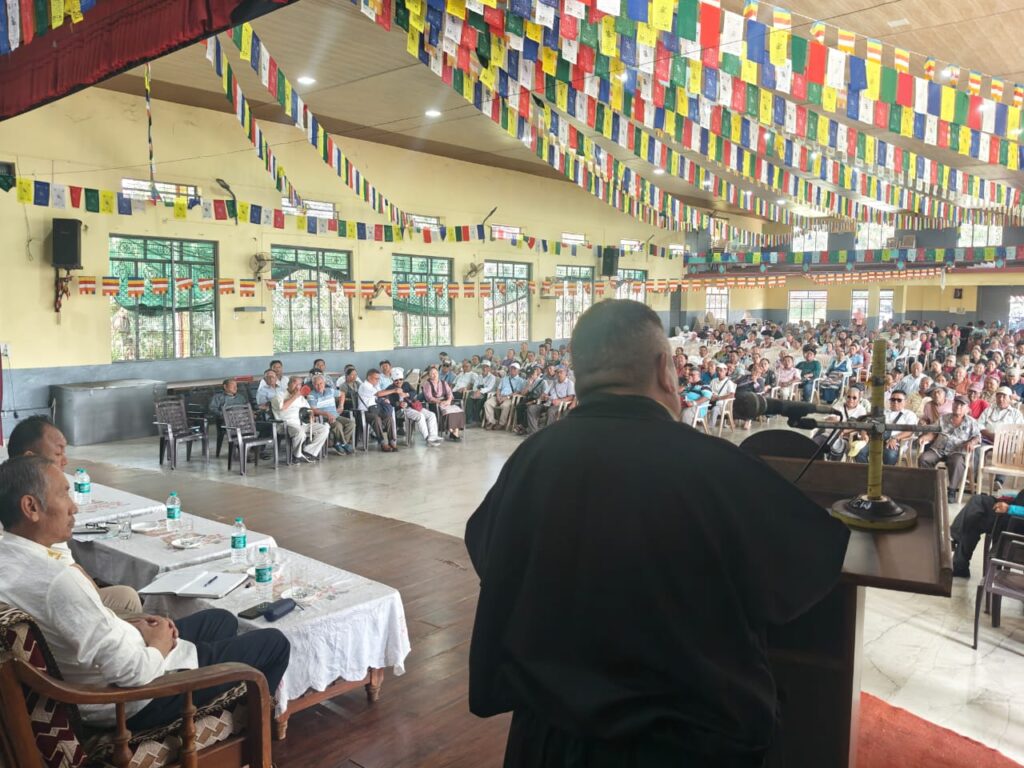
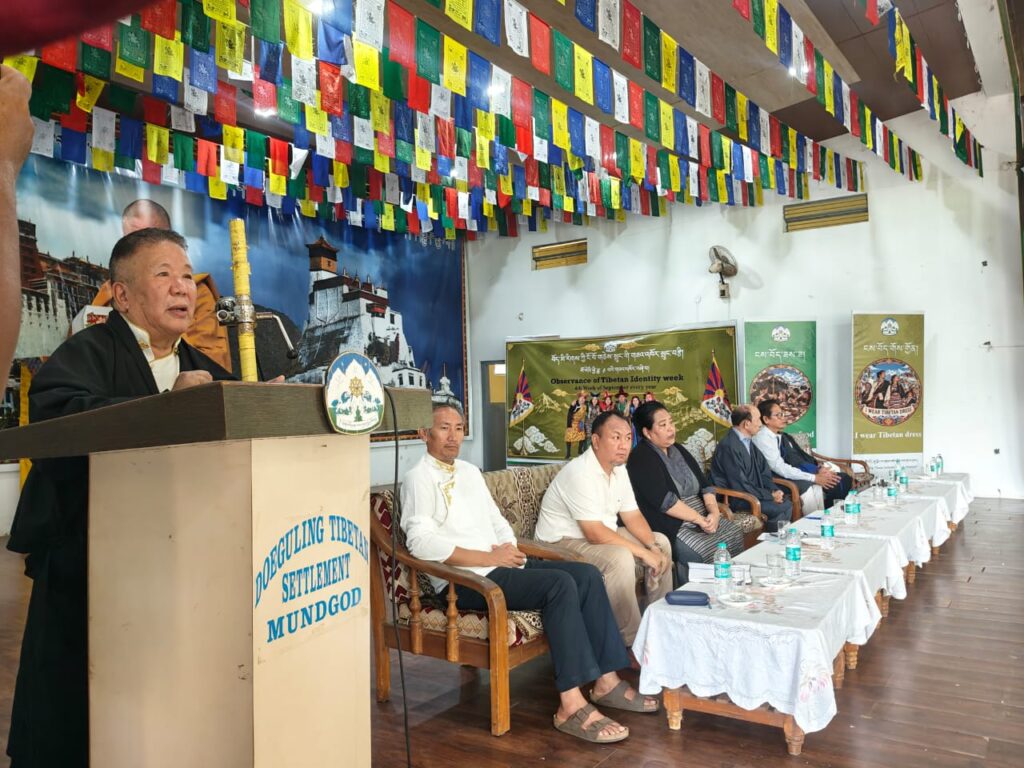
On 4 October, the Education Kalon held a public meeting with residents of Doeguling Tibetan Settlement. The Tibetan Settlement Officer welcomed him on behalf of the residents and read out his biography.
Addressing the gathering, the Education Kalon conveyed greetings from the Department of Education and the Kashag. He provided an overview of the vision outlined in the 17th Kashag Vision Paper and spoke about the implications of the Chinese so-called “Law on Promoting Ethnic Unity and Progress”.
He also spoke about His Holiness the Dalai Lama’s vision of establishing separate schools for Tibetan children during the formative years of the Tibetan exile community. Elaborating on the Basic Education Policy, he explained its four fundamental principles and outlined the Department of Education’s approach to their implementation.
The Education Kalon further emphasised the importance of preserving the Tibetan language and culture, stating that the welfare and education of Tibetan children remain among the Department’s foremost priorities.
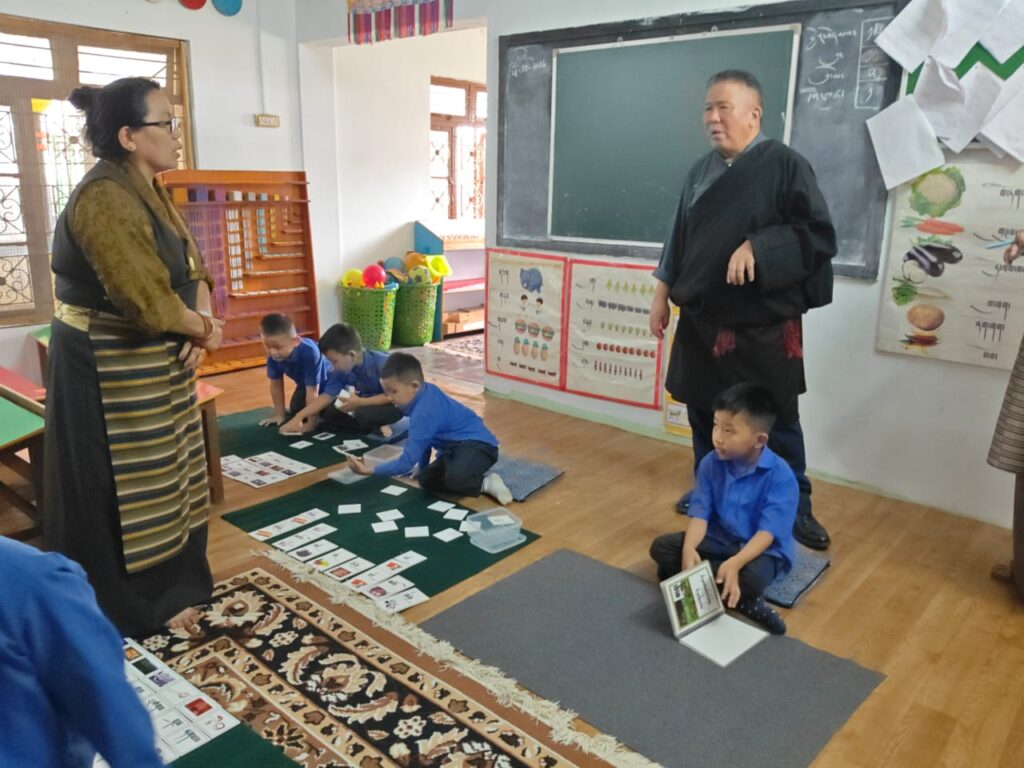
On the morning of 5 October, the Education Kalon visited STS Mundgod Camp 6, where a morning assembly featuring various student activities was held. He addressed the students and staff and interacted with them during the visit.
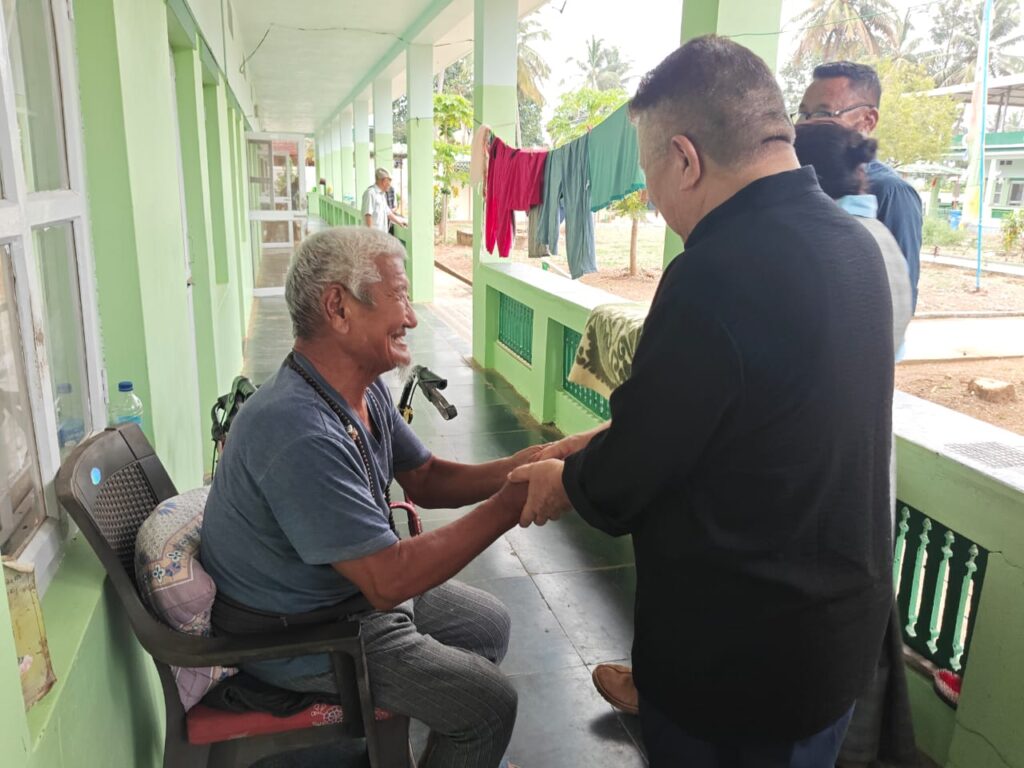
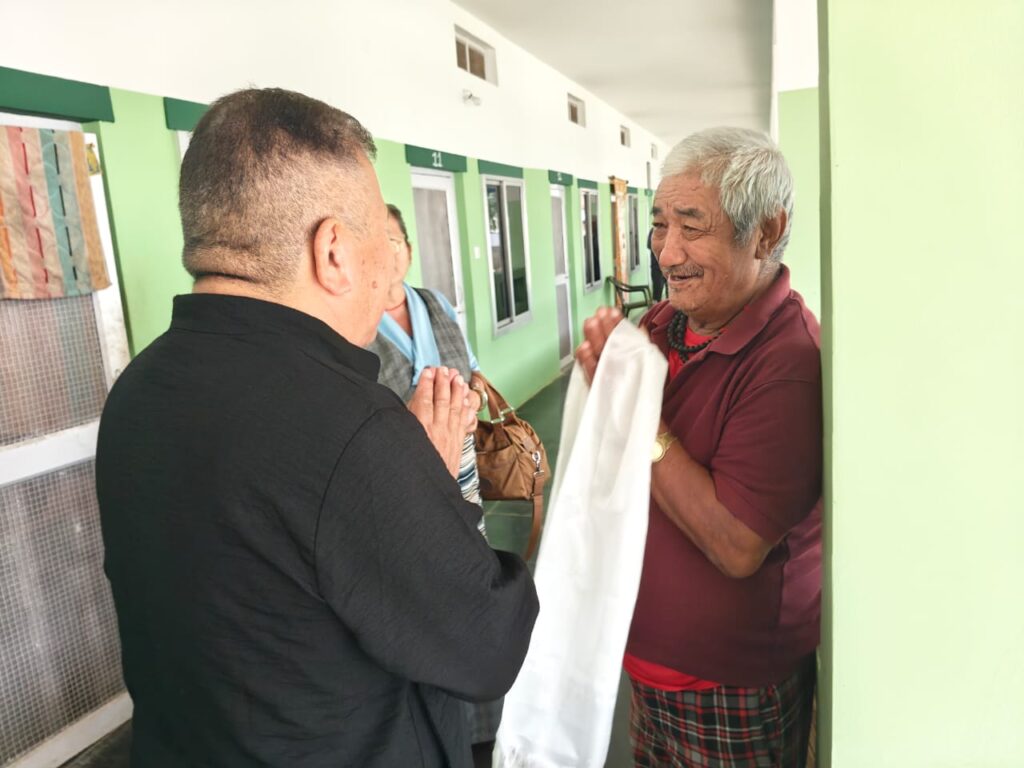
Following the school visit, he visited the Mundgod Tibetan Local Assembly and interacted with its members. He then visited the Tibetan Cooperative Society, Settlement Office, hospital and old-age home, where he interacted with staff and residents.
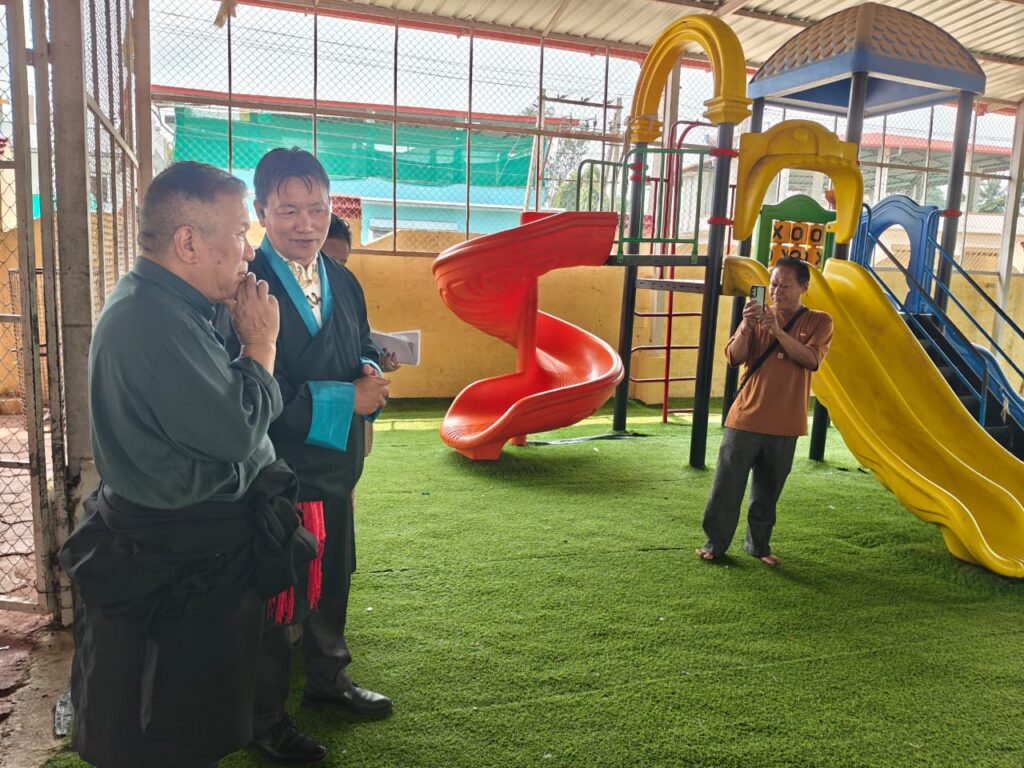
He also inspected classrooms and visited three creches and pre-primary schools, reviewing the teaching aids and play materials provided for young children.
On 6 October, he visited Loseling and Gomang schools of Drepung Monastery and Sakya School. He visited classrooms, interacted with students and staff, and held discussions with the respective school administrations.
During the discussions, he inquired about the functioning and affiliation status of the schools. He reaffirmed the Department of Education’s commitment to strengthening its engagement with monastic schools and extending support in areas including the participation of monastic school teachers in teacher-training programmes and workshops, as well as the provision of Tibetan textbooks and storybooks.
Similar assurances had also been conveyed during his earlier visits to Shartse and Jangtse schools of Gaden Monastery.