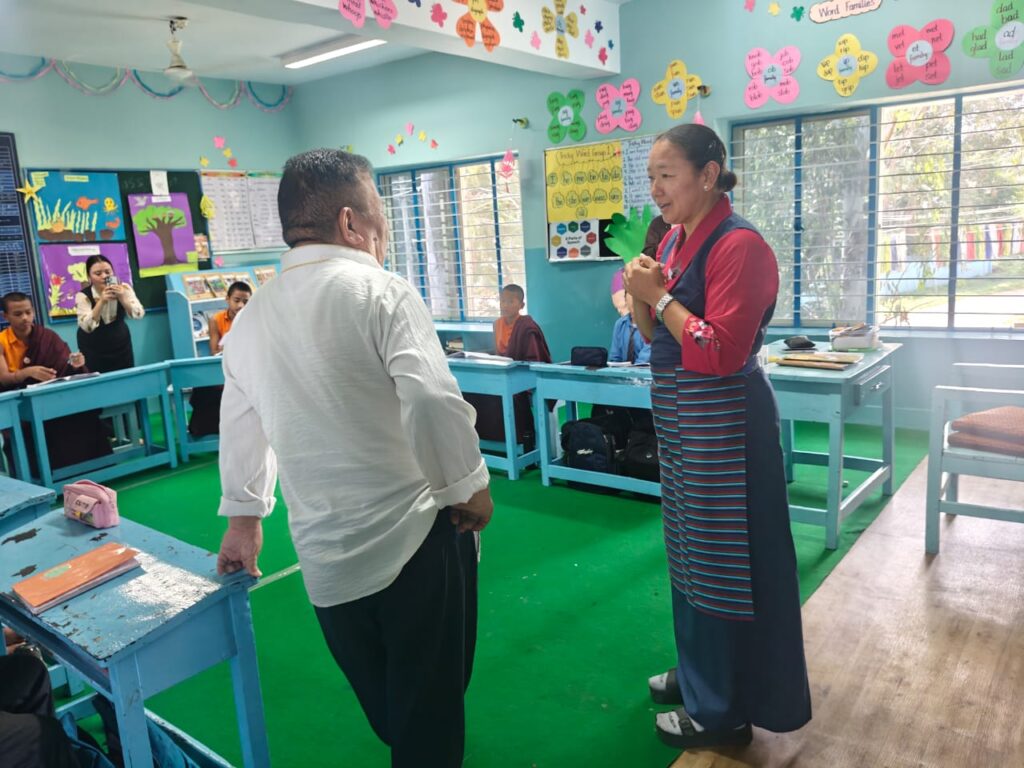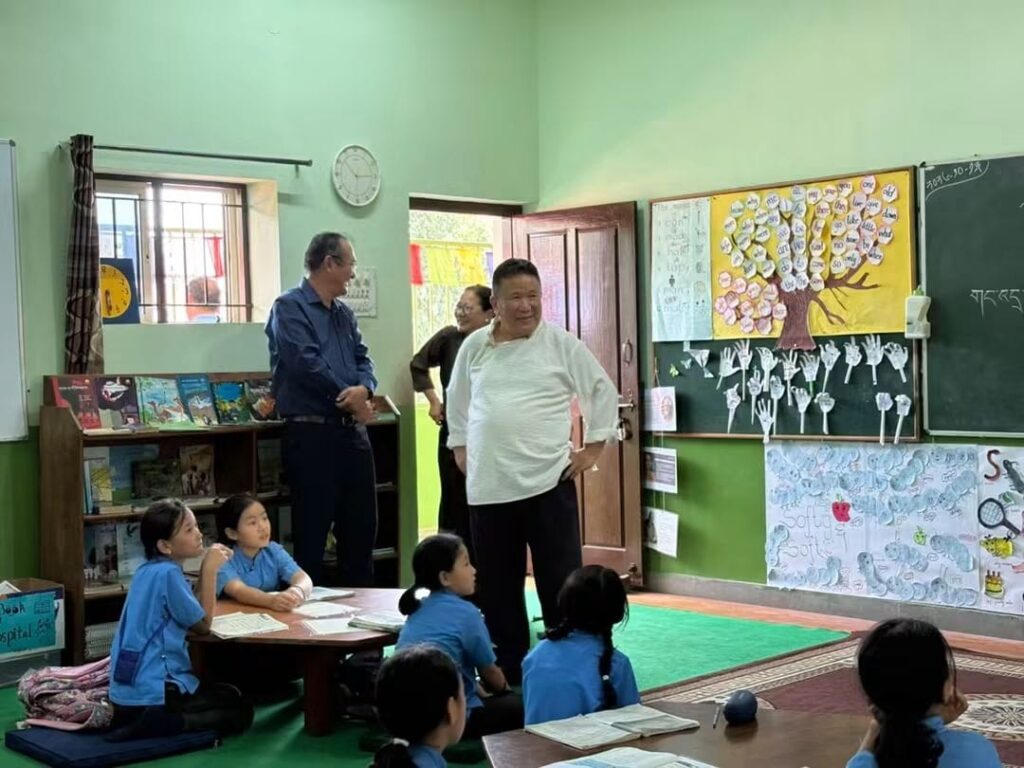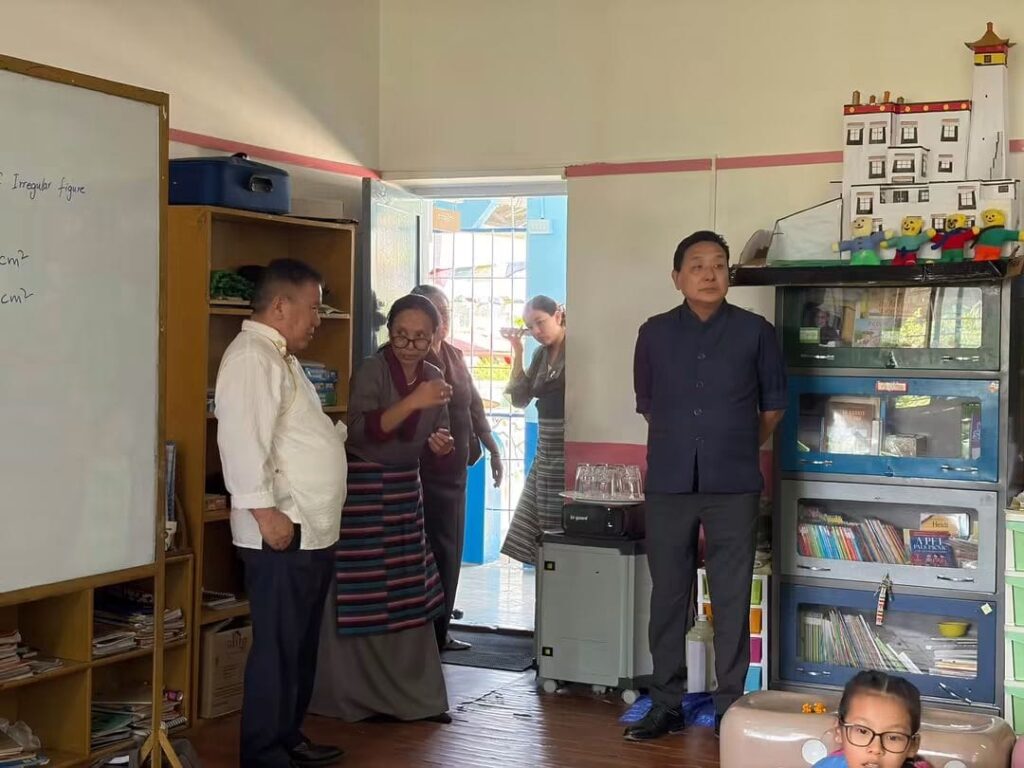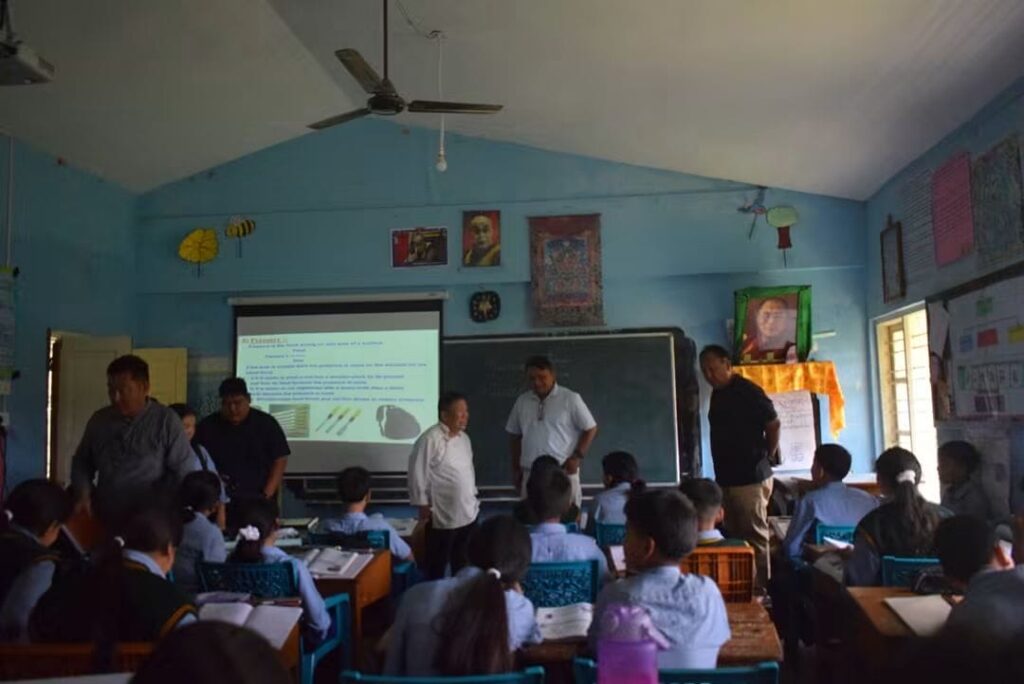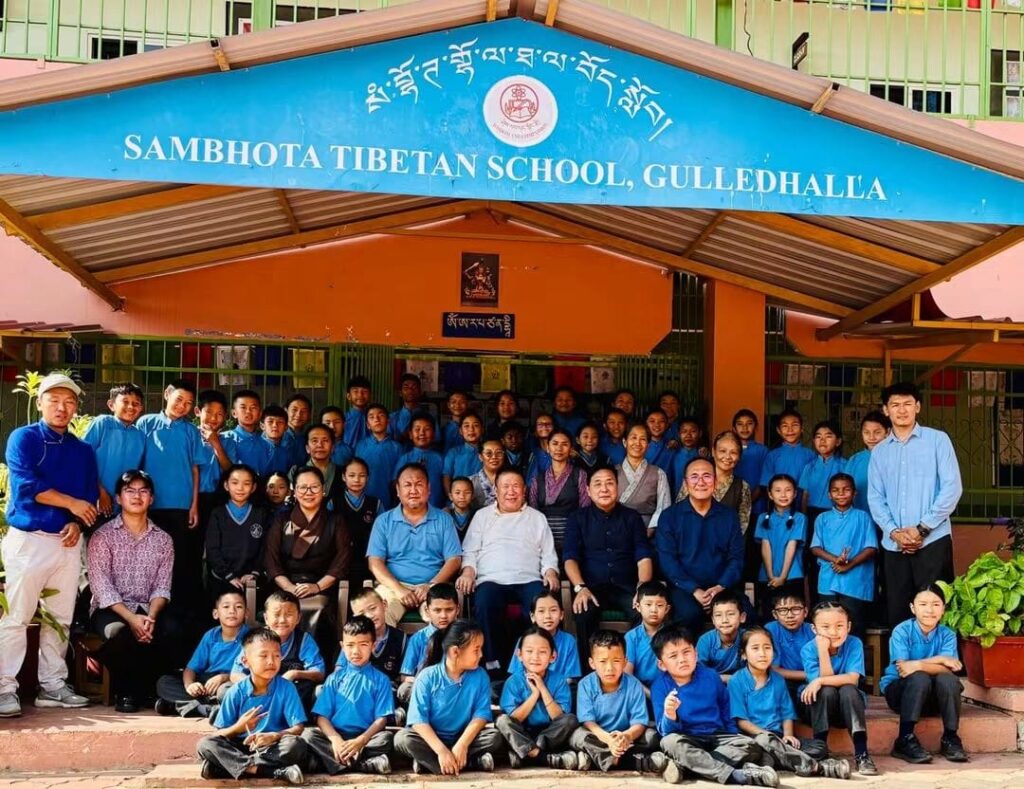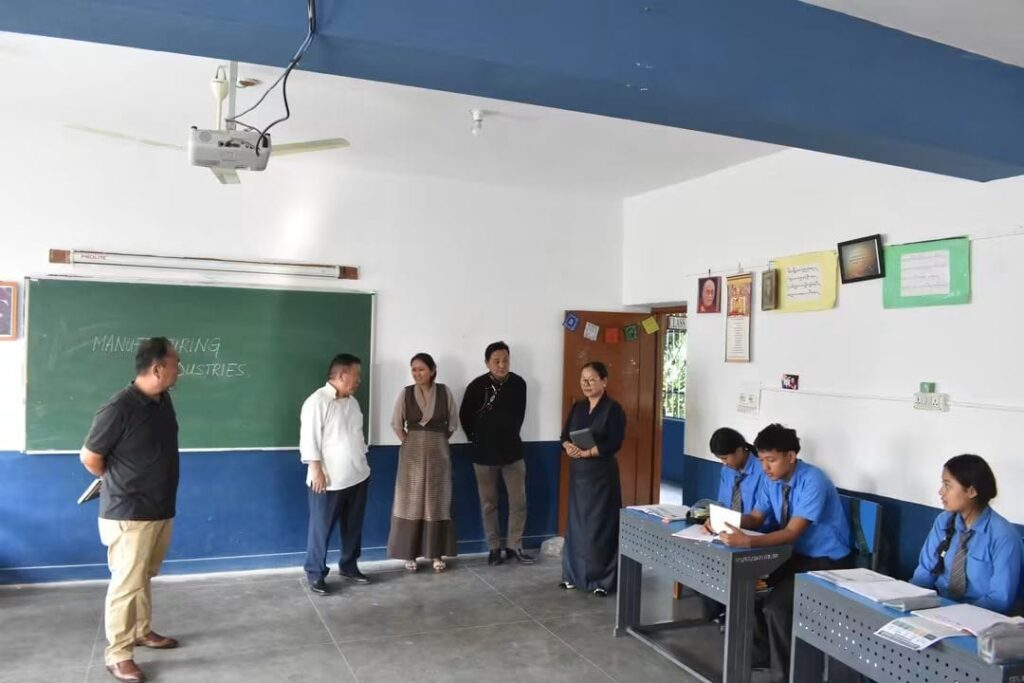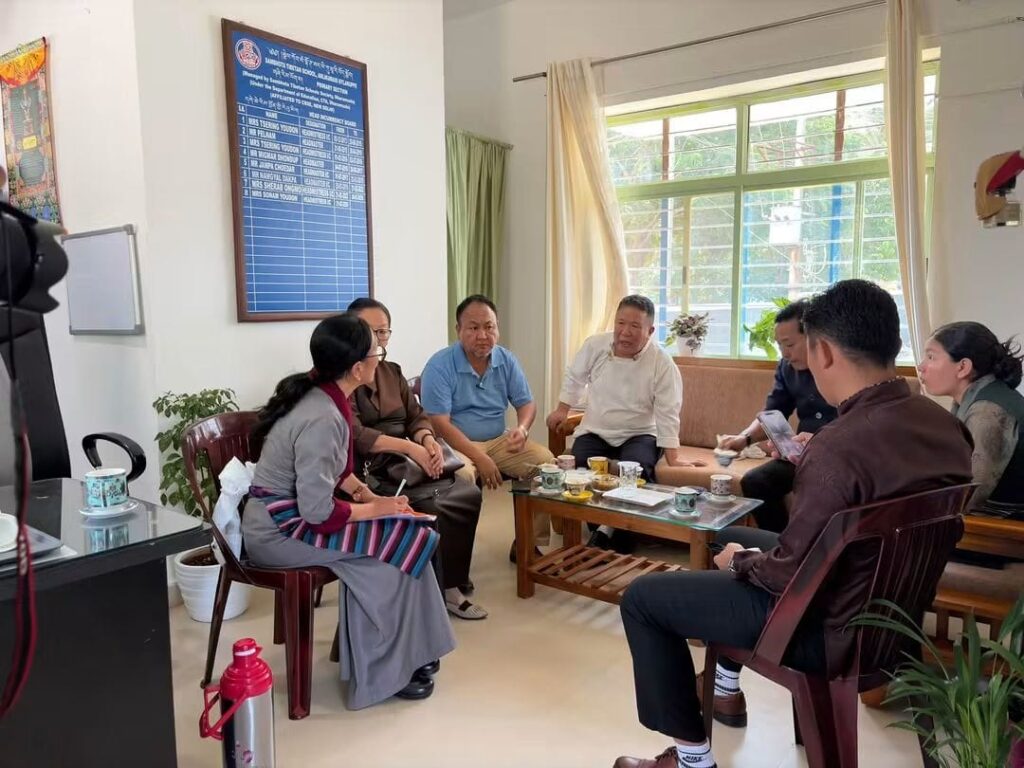

Dharamshala: From 10 to 13 October, Kalon Urgen Tenzin, accompanied by Jamyang Wangyal, Head of the Modern Education and Counselling Section, from the Department of Education (CTA), visited Lugsum Samdrupling and Dekyi Larsoe Tibetan settlements in Bylakuppe, Karnataka, to assess academic and administrative activities as well as to interact with school administrators, teachers, students, parents, and members of the Tibetan community.
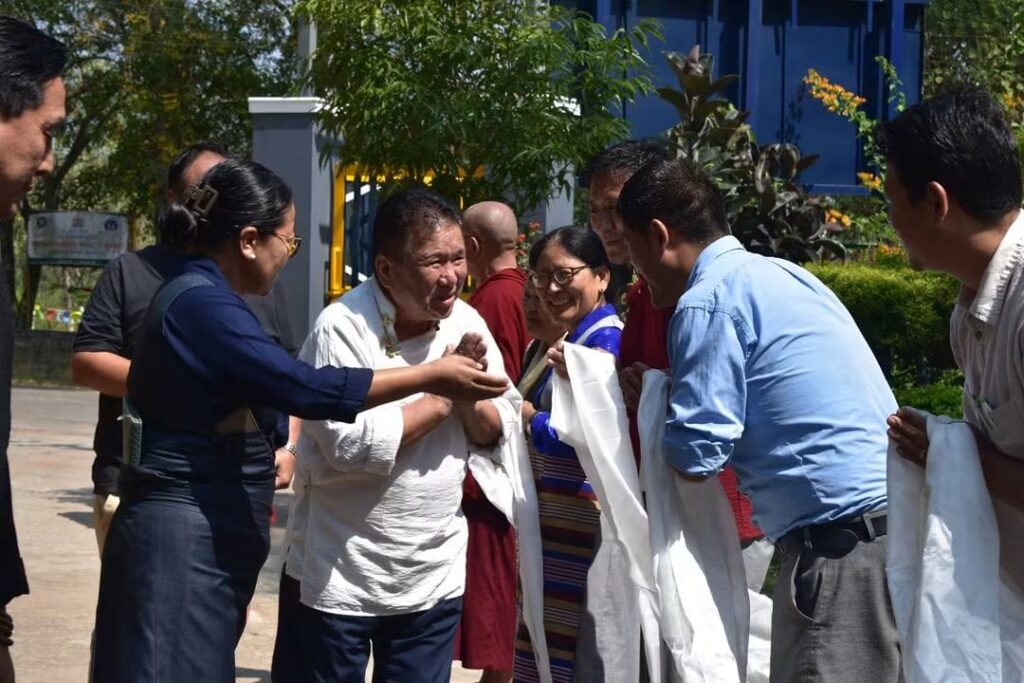
On 10 October at 2 p.m., the Kalon was welcomed by settlement officers, monastery administrators, school principals, village heads, and representatives of government and non-governmental organisations.
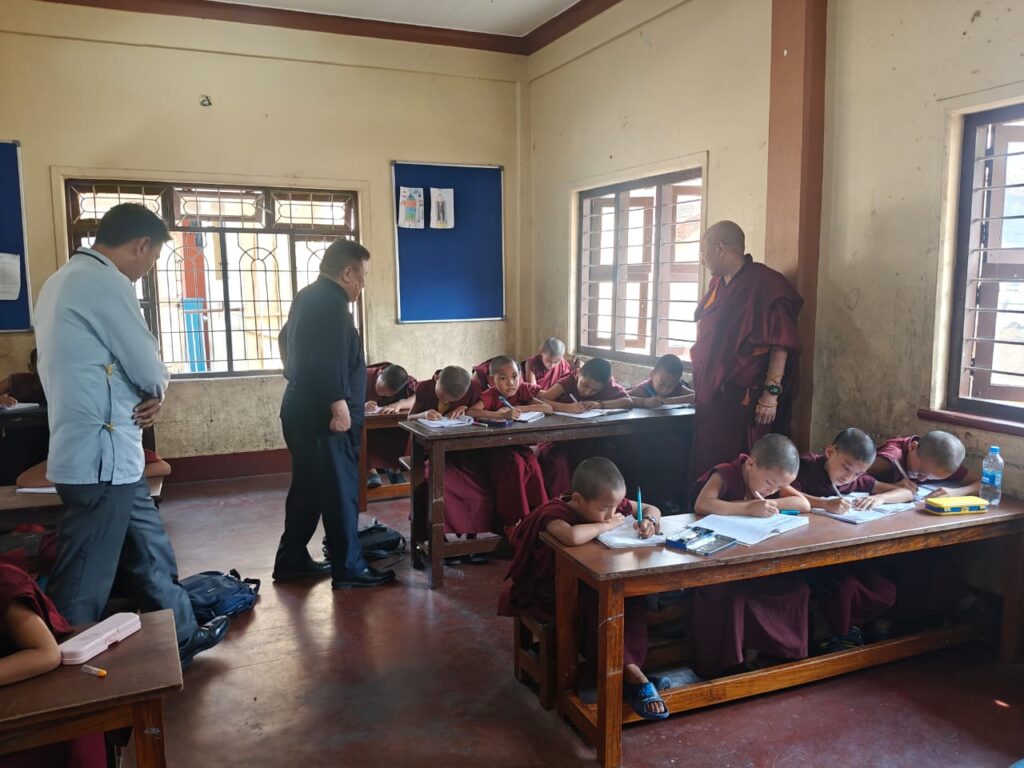
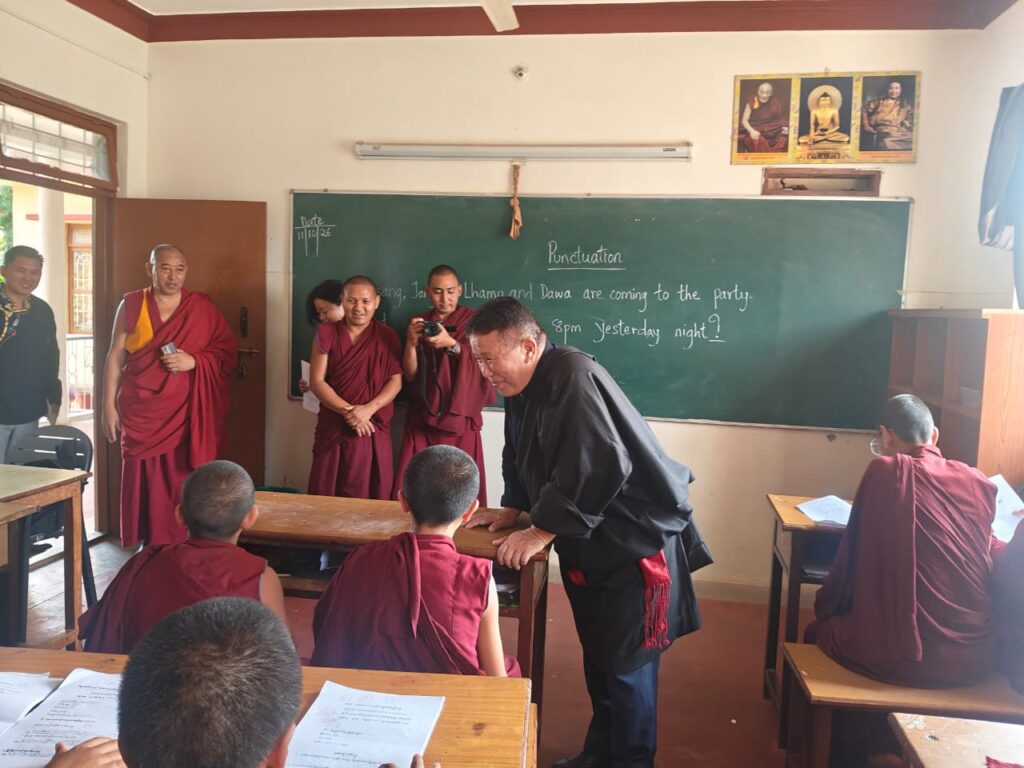
In the morning of the following day, the Education Kalon visited the monastic school at Tashi Lhunpo Monastery, where he was welcomed by the abbot and the school principal. He subsequently visited classrooms and various departments and held a brief discussion with the school administrator.
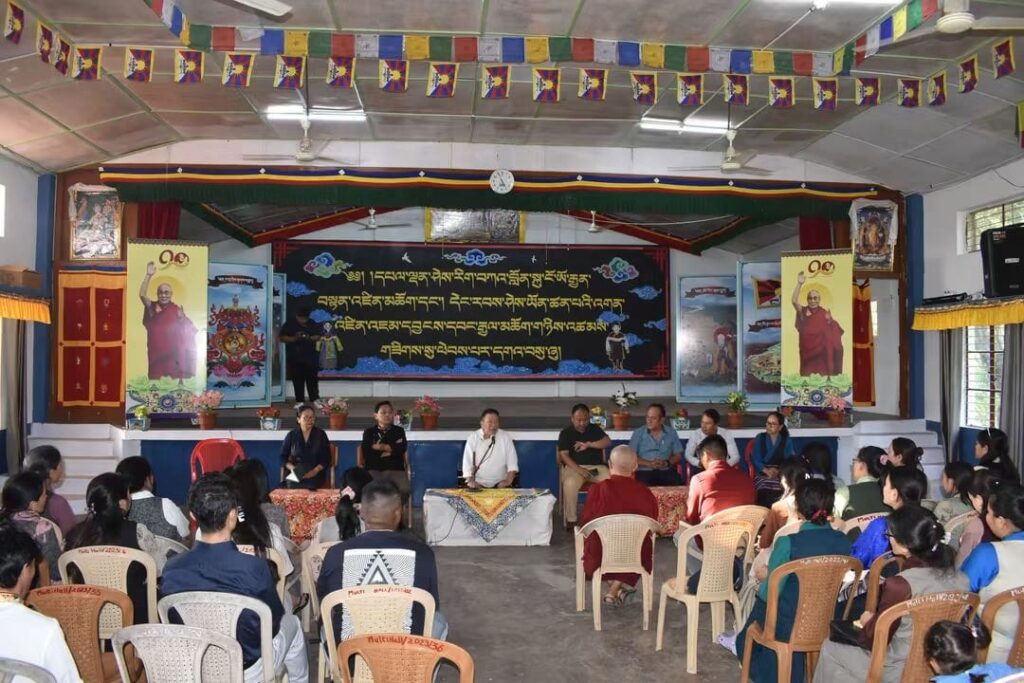
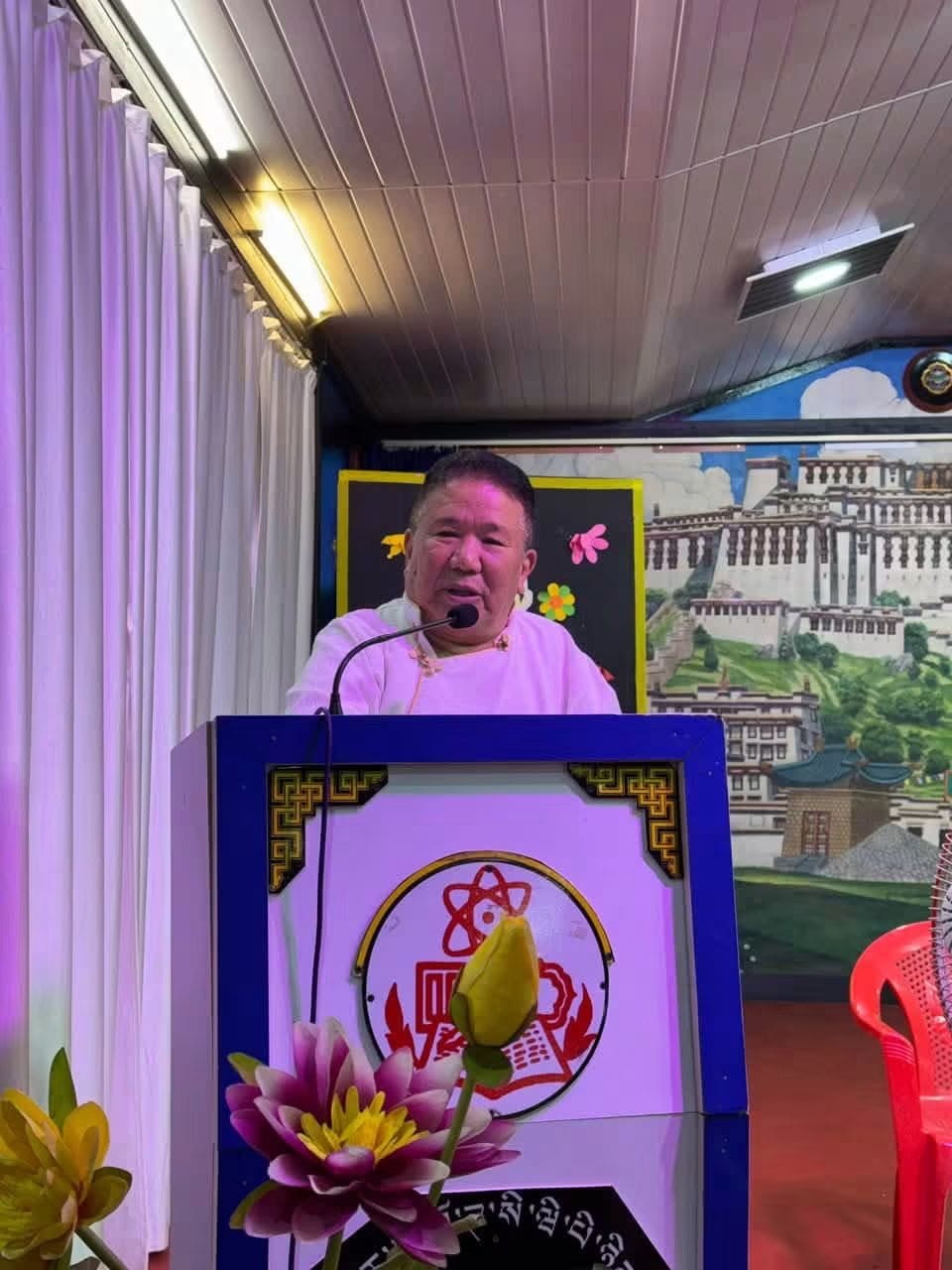
At 10 a.m., the Kalon addressed a public meeting attended by members of both Tibetan settlements at the Lugsum community hall. During the meeting, he emphasised the importance of the Basic Education Policy (BEP) 2004 and its four principles, urging parents to cooperate with school administrations in implementing the policy effectively.
Sharing his observations from visits to the schools, the Kalon noted that the majority of primary-level students demonstrated fluency in reading Tibetan. He also observed that students who began learning English from Class IV appeared to be progressing well in reading and learning the language.
The Kalon also spoke briefly about the Kashag’s Vision Paper and the so-called “Law on Promoting Ethnic Unity and Progress”. He encouraged parents to reinforce Tibetan language and cultural learning at home by speaking pure Tibetan with their children, celebrating Tibetan festivals, sharing animated songs and stories, and passing down traditional Tibetan folktales and narratives.
He expressed his appreciation to the Parent-Teacher Association for its active involvement in the day-to-day functioning of the schools. He further urged all members of the settlements to work closely with school administrations for the benefit of future generations and the Tibetan cause.
Addressing the issue of declining birth rates within the Tibetan community and the presence of numerous schools, the Kalon noted that the Kashag was considering the merger of schools. He described this as an important and necessary step in response to the community’s changing circumstances.
The meeting concluded with a question-and-answer session, during which members of the public raised questions related to the department.
Following lunch, the Kalon visited Sera Jey, Sera Mey, and Namdroling monastic schools, where he inspected classrooms and held discussions with the respective school administrations.
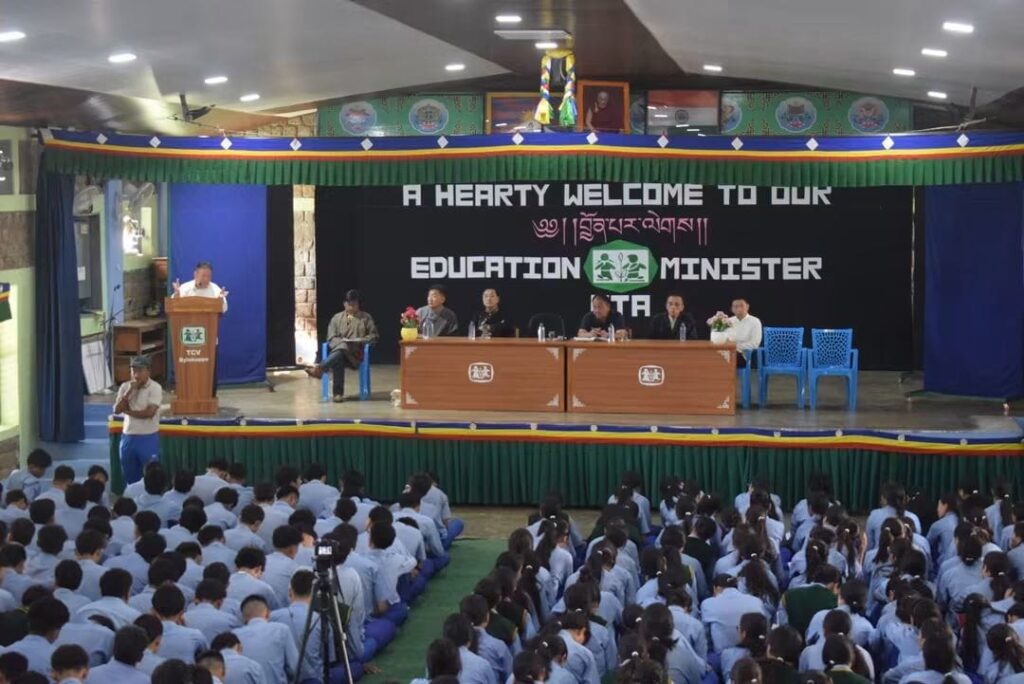
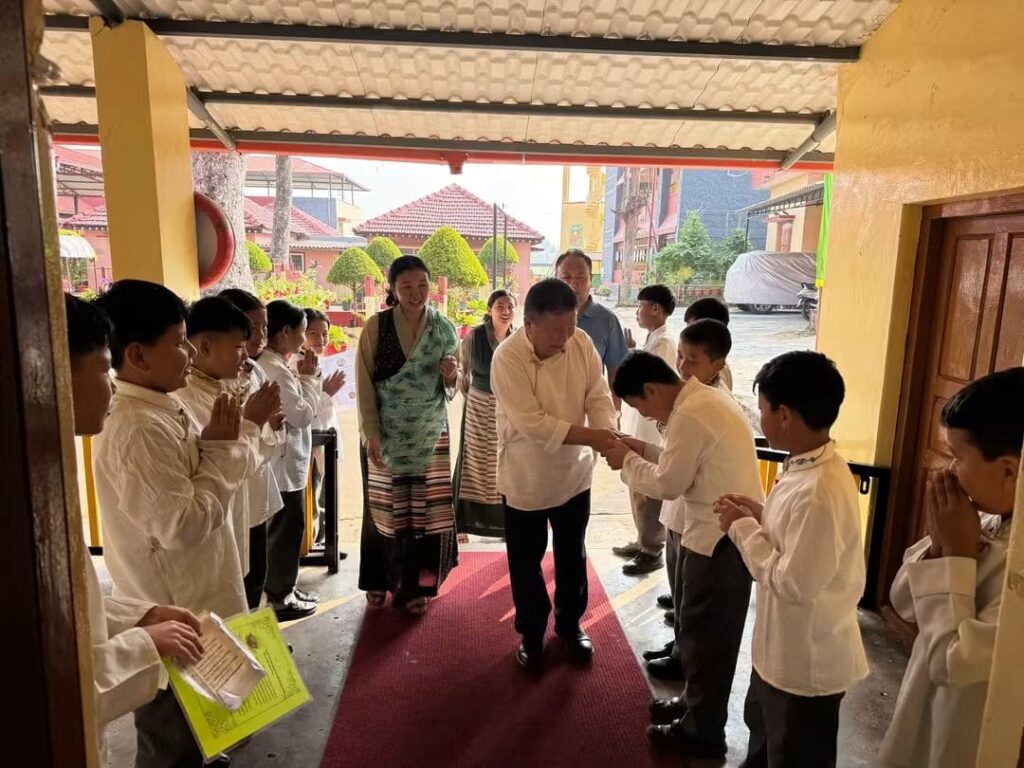
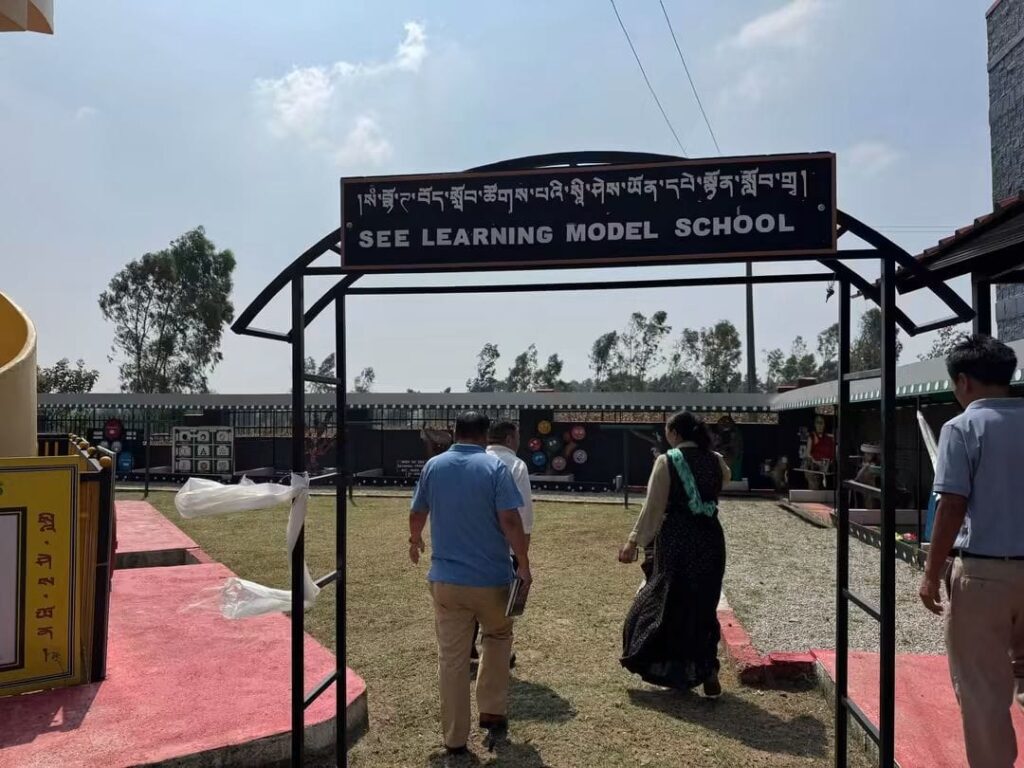
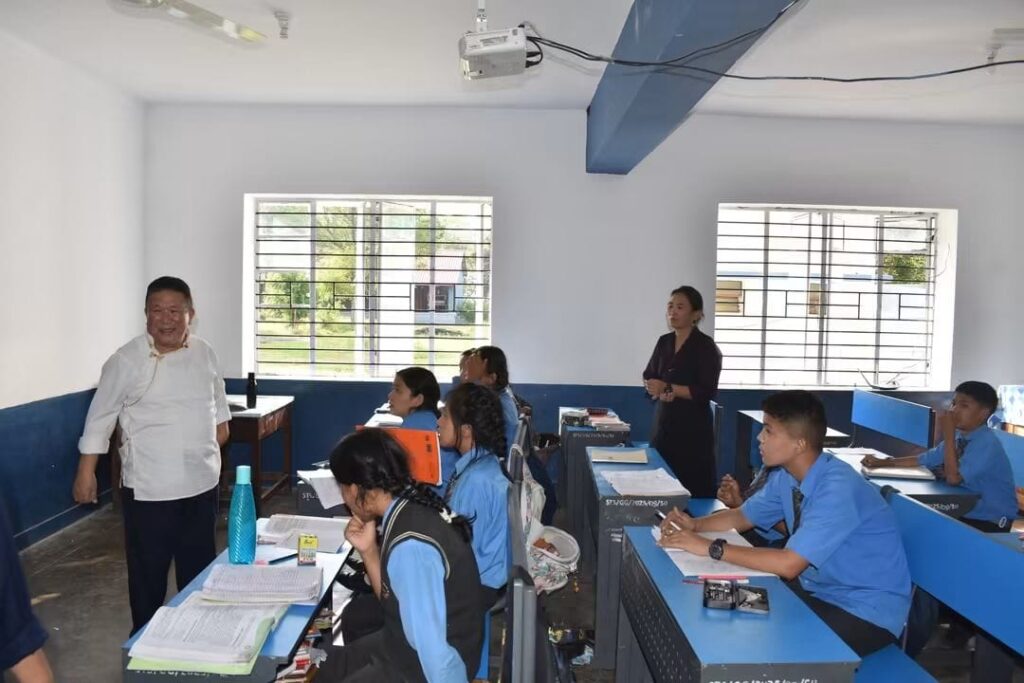
On 12 and 13 October, the Kalon visited TCV Bylakuppe, STS Bylakuppe, CVP Bylakuppe, STS Arlikumari, Kailashpura School, and Golladala School. At each institution, he was welcomed by administrators, principals, head teachers, staff members, and students.
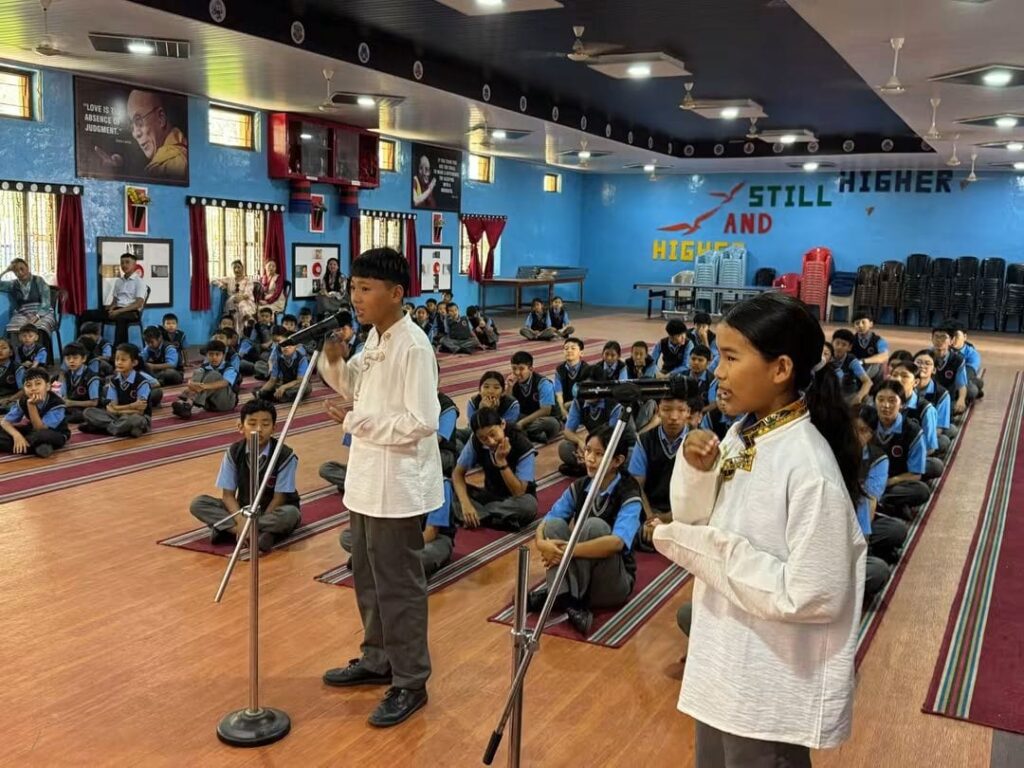
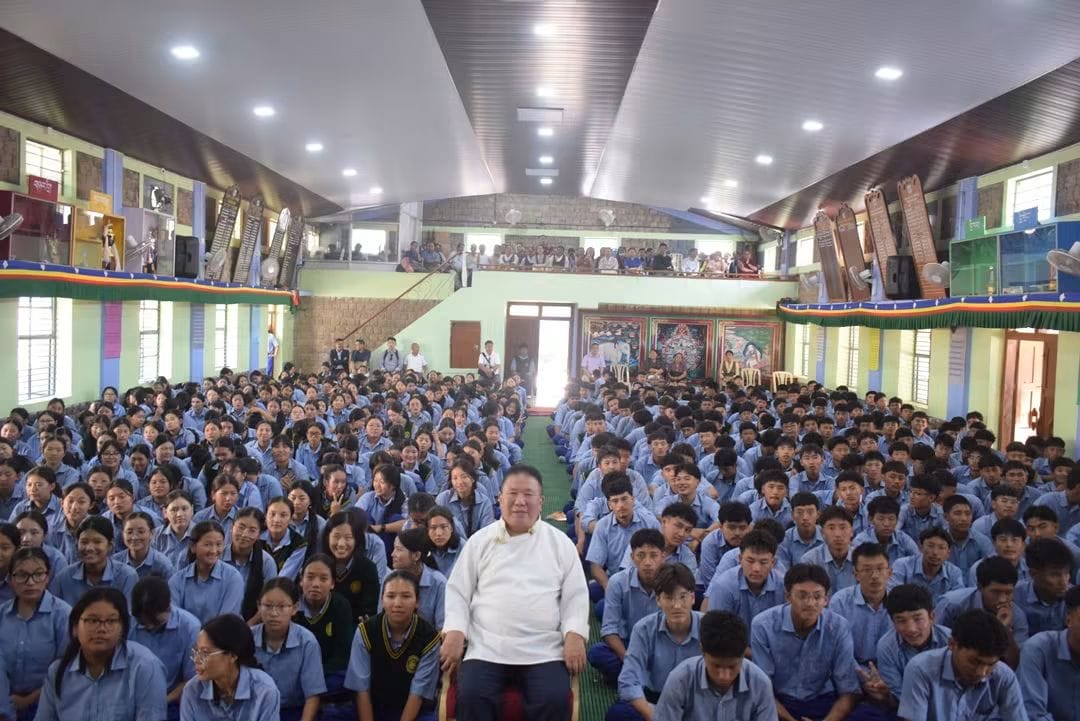
The schools organised morning assemblies featuring introductions to their respective histories and formal welcomes for the visiting delegation. Students also presented a variety of activities and performances.
Addressing the students, the Kalon highlighted His Holiness the Dalai Lama’s vision of establishing separate schools for Tibetan students. He reiterated the importance of the Basic Education Policy and its four principles, encouraging students to uphold the policy’s objectives in their daily school lives.
He also urged students to refrain from bullying those who may be weaker or face difficulties and instead support one another’s growth and development. Commending the students for their discipline and respectful behaviour towards their peers and teachers, he expressed his appreciation to the school heads and teachers for their efforts in nurturing a positive learning environment.
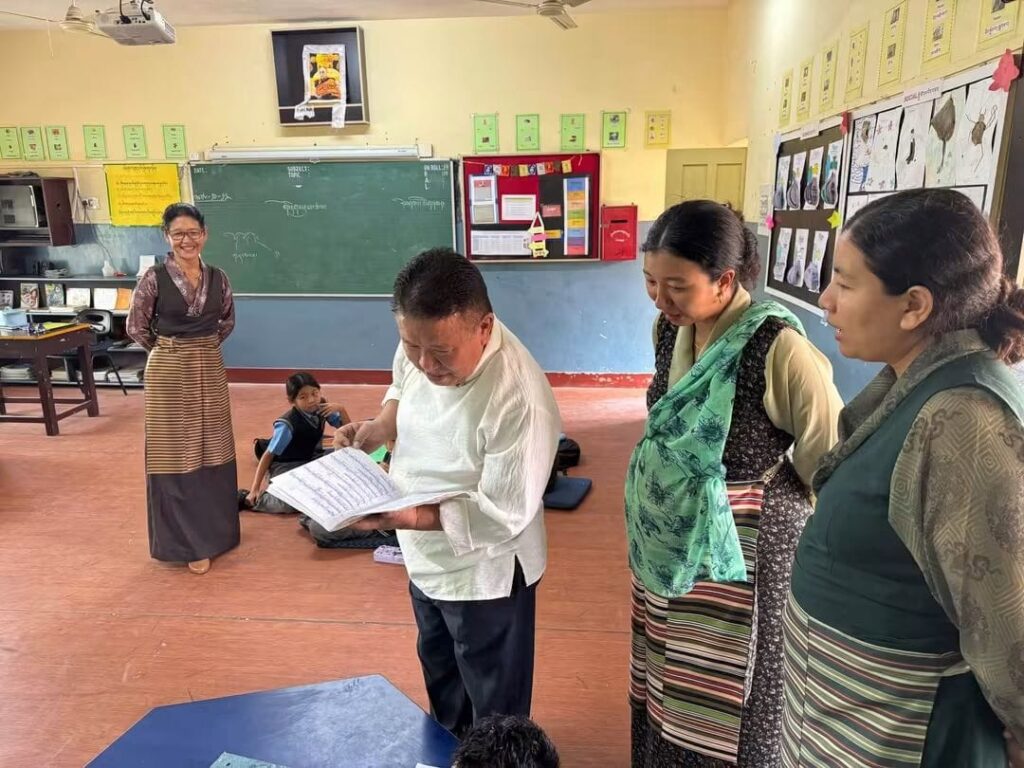
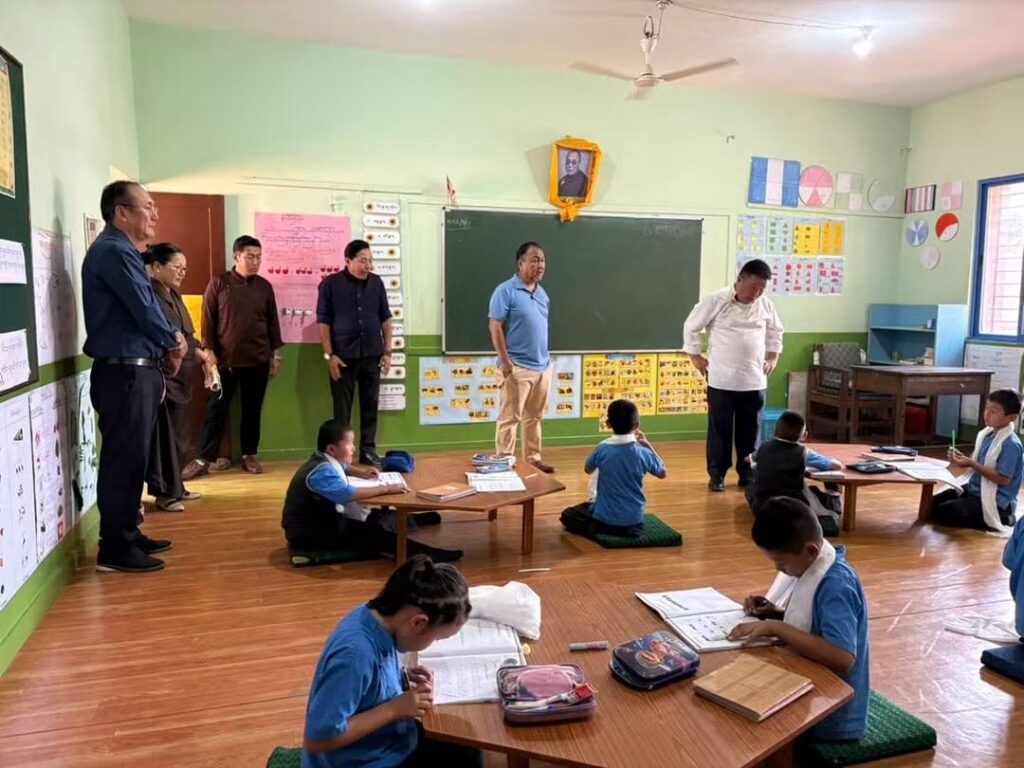
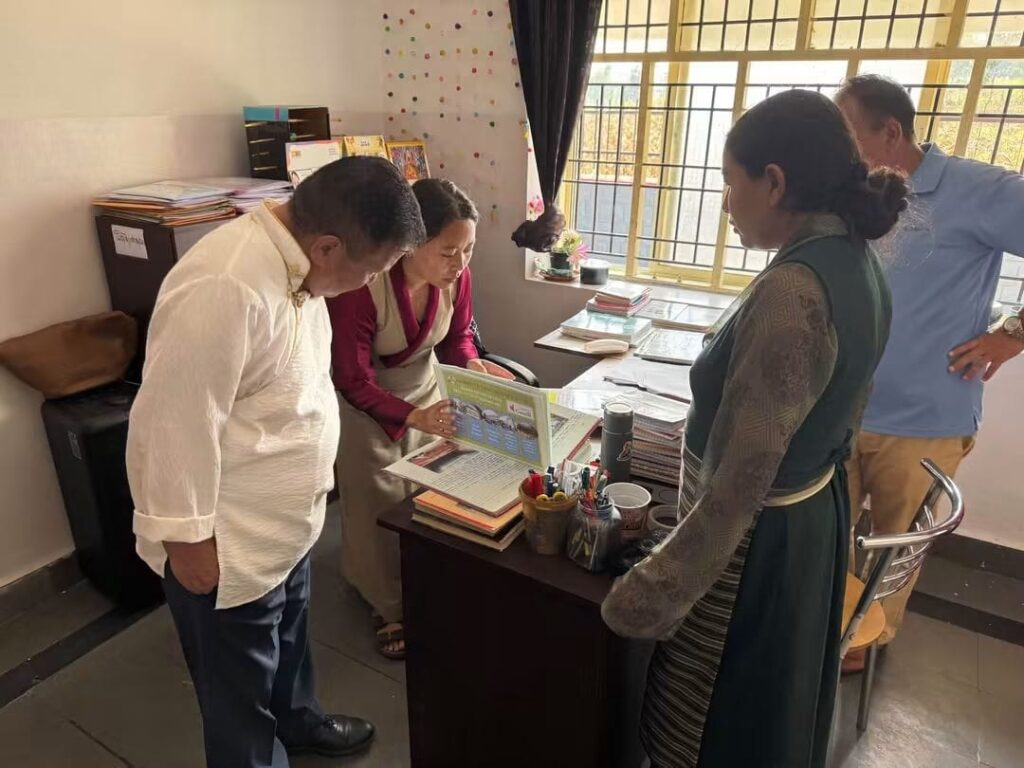
During the visits, the Kalon inspected classrooms and various school departments, offering suggestions and recommendations for further improvement.
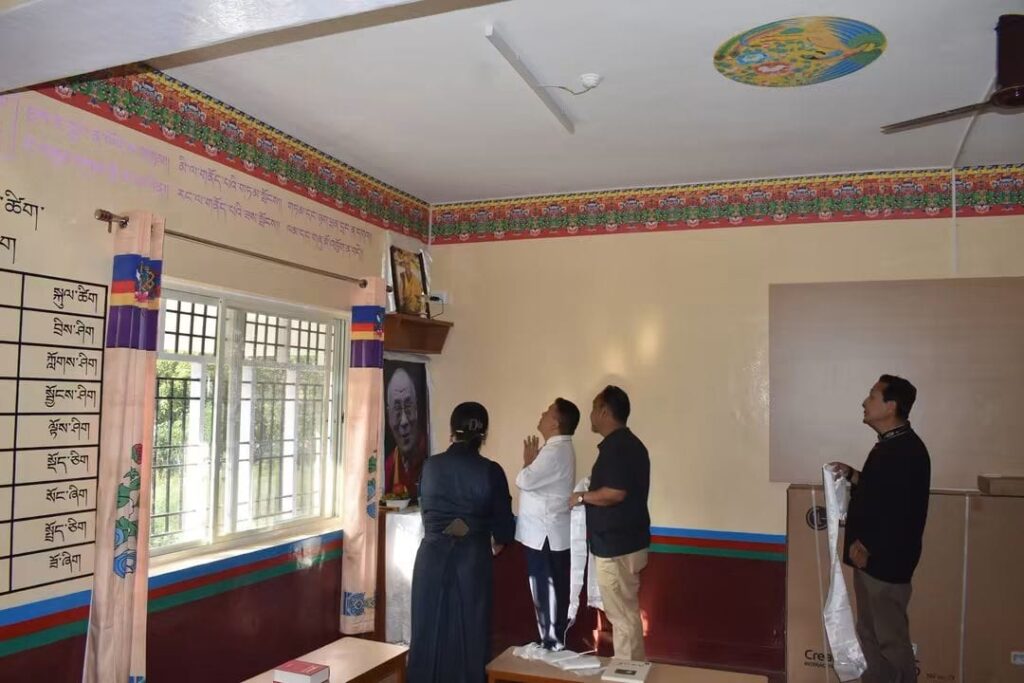
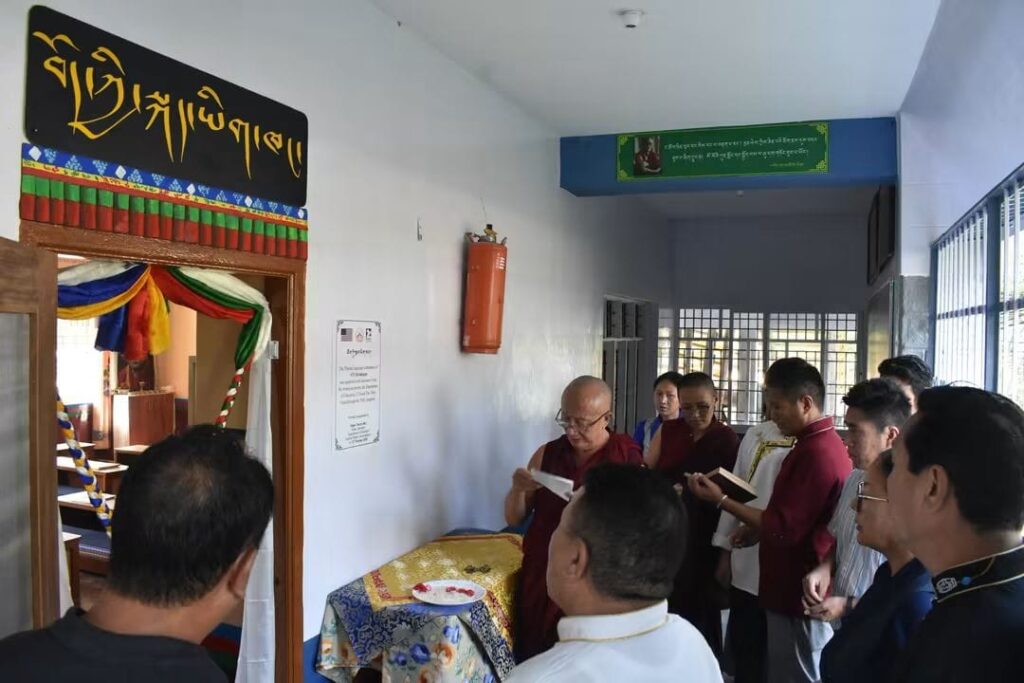
A significant highlight of the visit was the inauguration of the Tibetan Language Lab at STS Bylakuppe, an initiative of the Department of Education. The Kalon encouraged both students and teachers to give greater attention to the study and preservation of the Tibetan language, particularly in the context of the China’s assimilative education policy.
During meetings with teachers and staff members, the Kalon expressed his appreciation for their commendable contributions to the education and overall development of Tibetan students.
He urged teachers to effectively implement the Basic Education Policy and Social, Emotional and Ethical (SEE) Learning in their daily classroom teaching. Acknowledging the challenges teachers face in addressing the diverse intellectual abilities and learning needs of students, he praised their dedication and encouraged them to continue their efforts with commitment and perseverance.
The Kalon further emphasised the vital role teachers play in the Tibetan struggle by nurturing students’ confidence, leadership abilities, and academic skills. He noted that educating and empowering the younger generation is essential to preserving Tibetan identity and preparing future leaders of the community.
The Kalon departed Bylakuppe on the morning of 14 October for Bengaluru and subsequently travelled to Delhi. He arrived at the Tibetan Homes Foundation (THF) in Mussoorie on the evening of 15 October to begin his visits to Tibetan schools in the Doon Zone.
During the upcoming visits, he is scheduled to witness the Sports Day celebrations at Tibetan Homes Foundation and STS Mussoorie, continuing his engagement with Tibetan educational institutions, school administrators, teachers, and students.