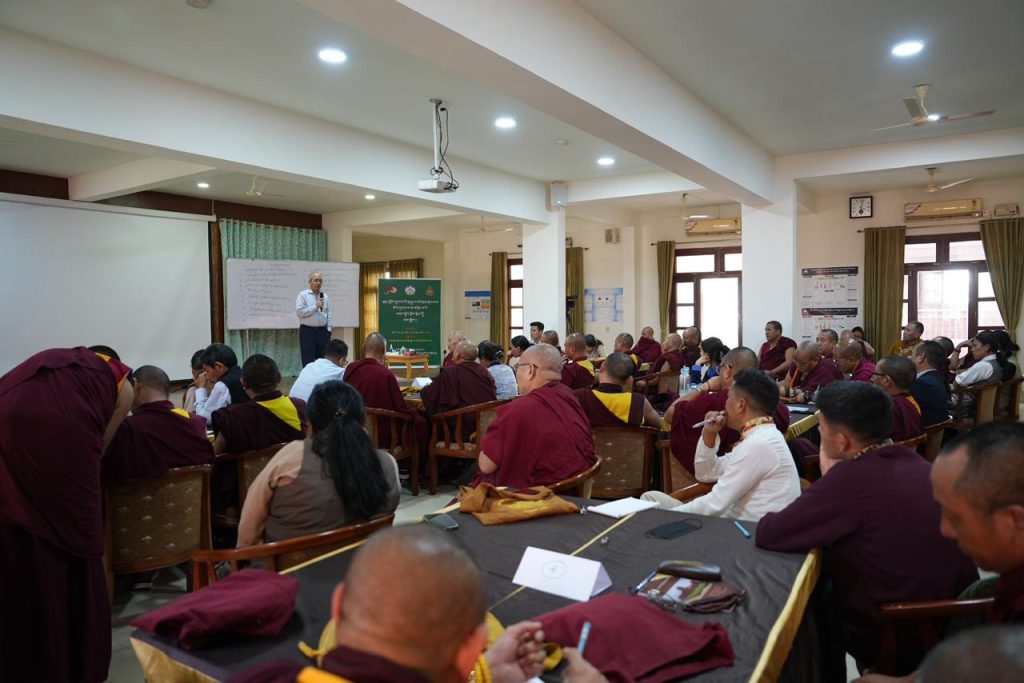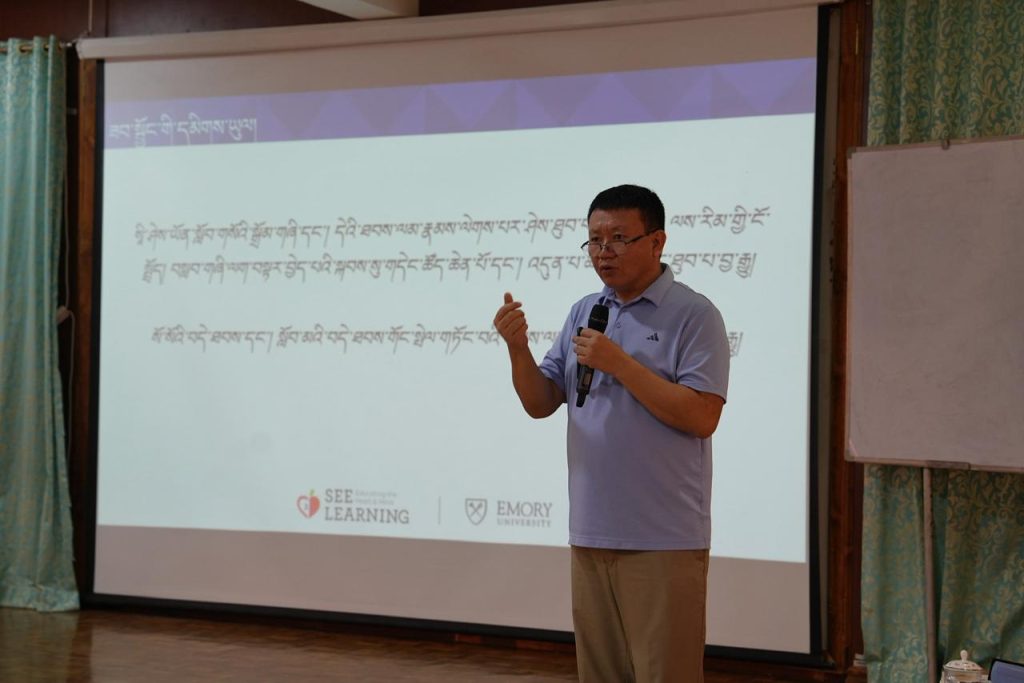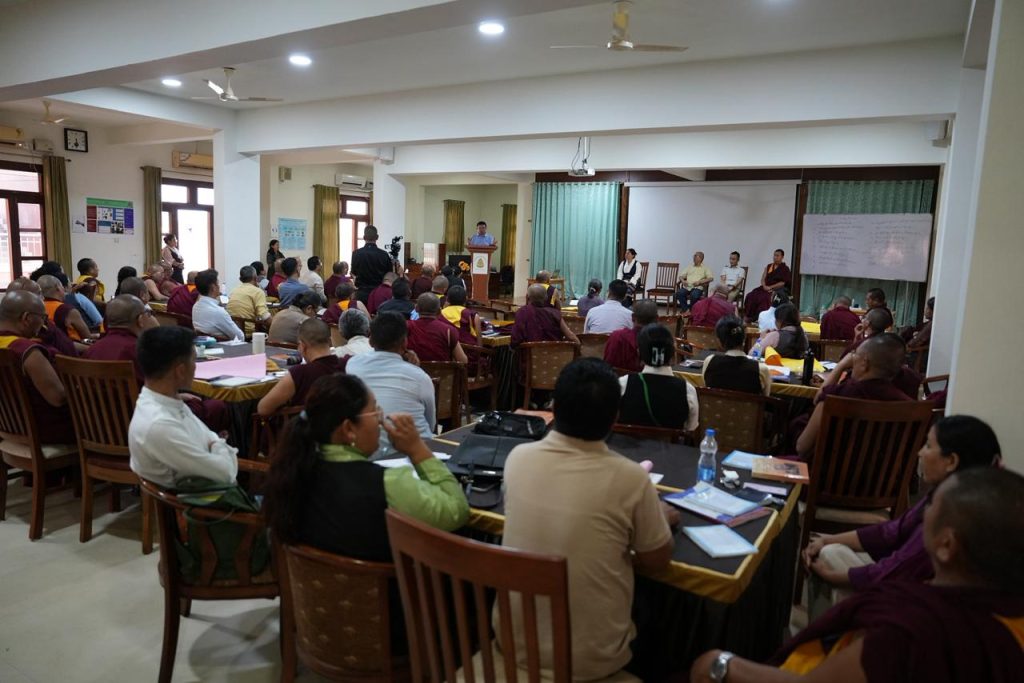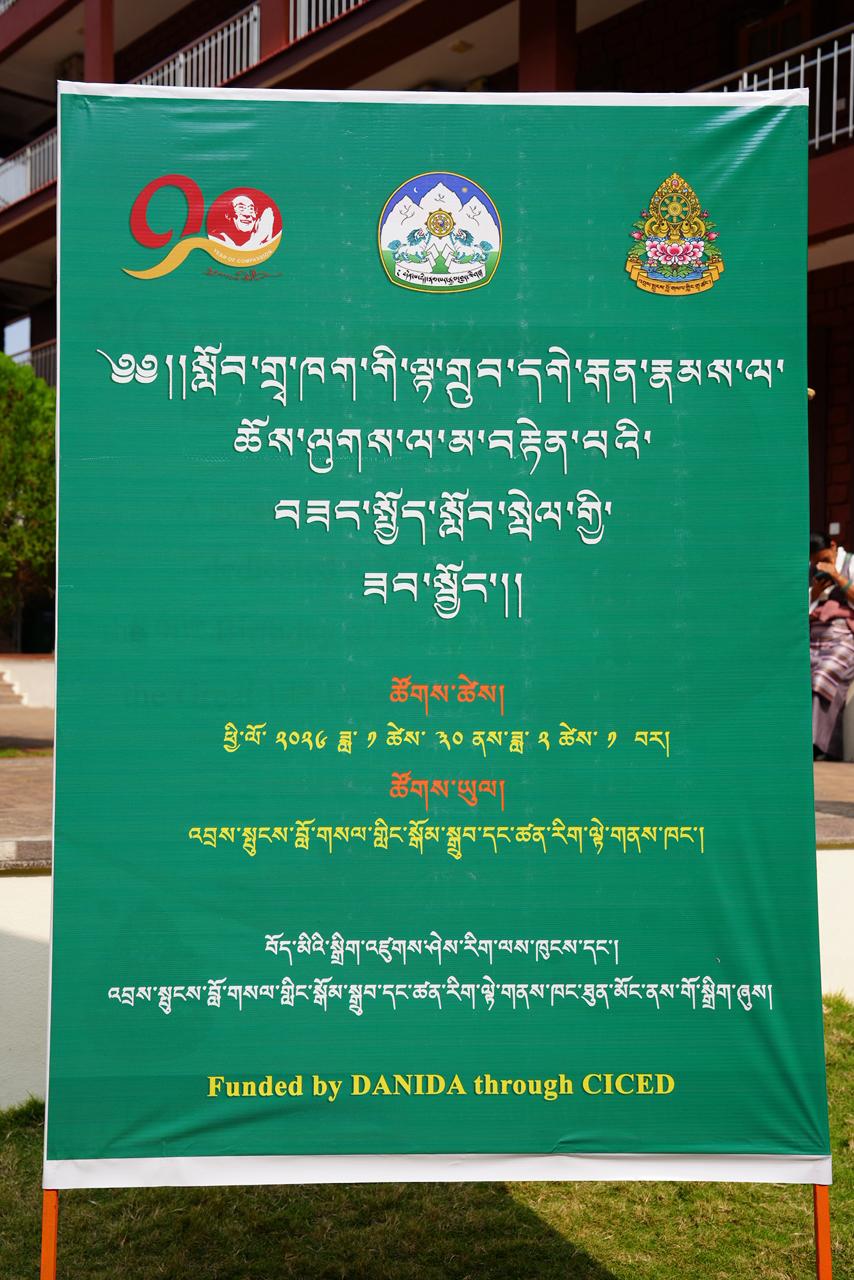
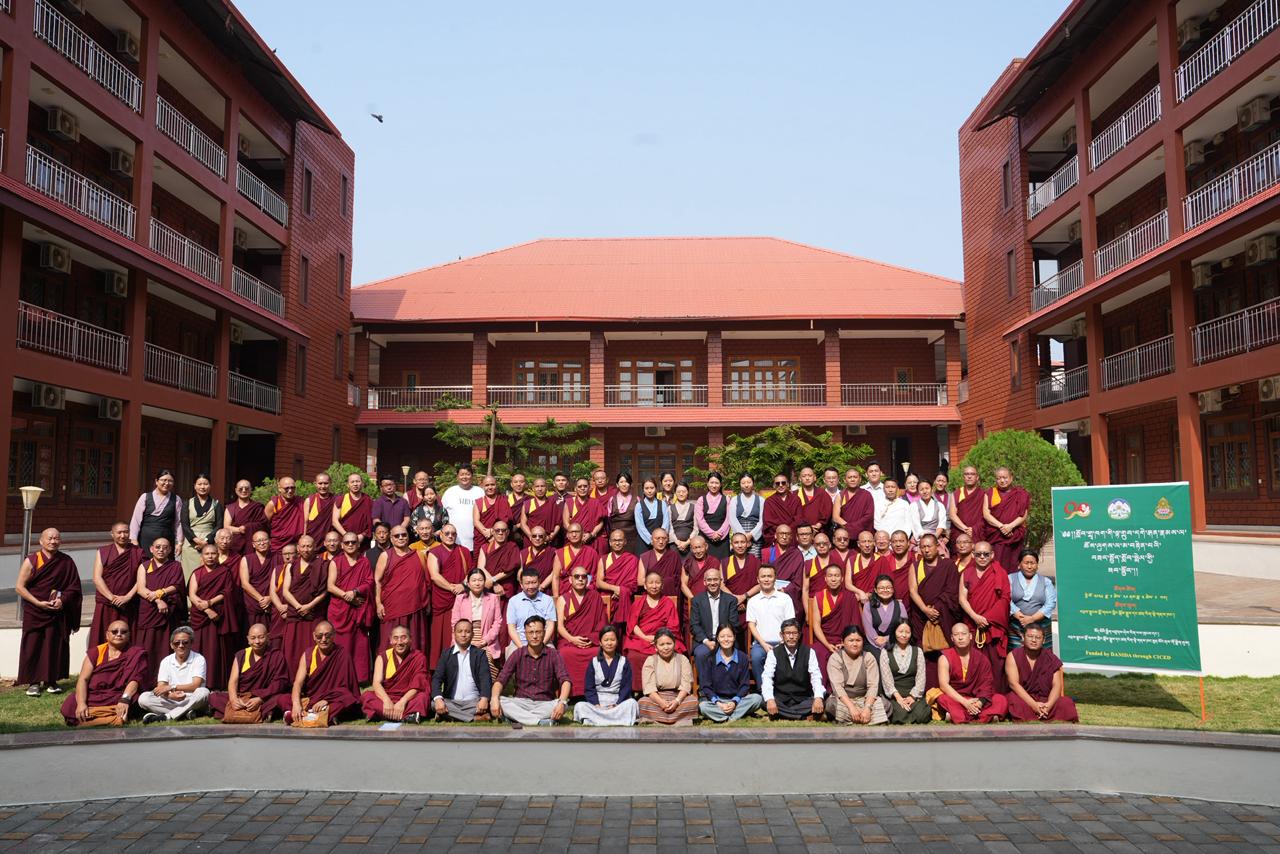
Mundgod: The Department of Education of the Central Tibetan Administration, in collaboration with the Drepung Loseling Meditation and Science Research Centre, commenced a training programme on secular ethics and SEE Learning from 30 January to 1 February 2026 in Mundgod.
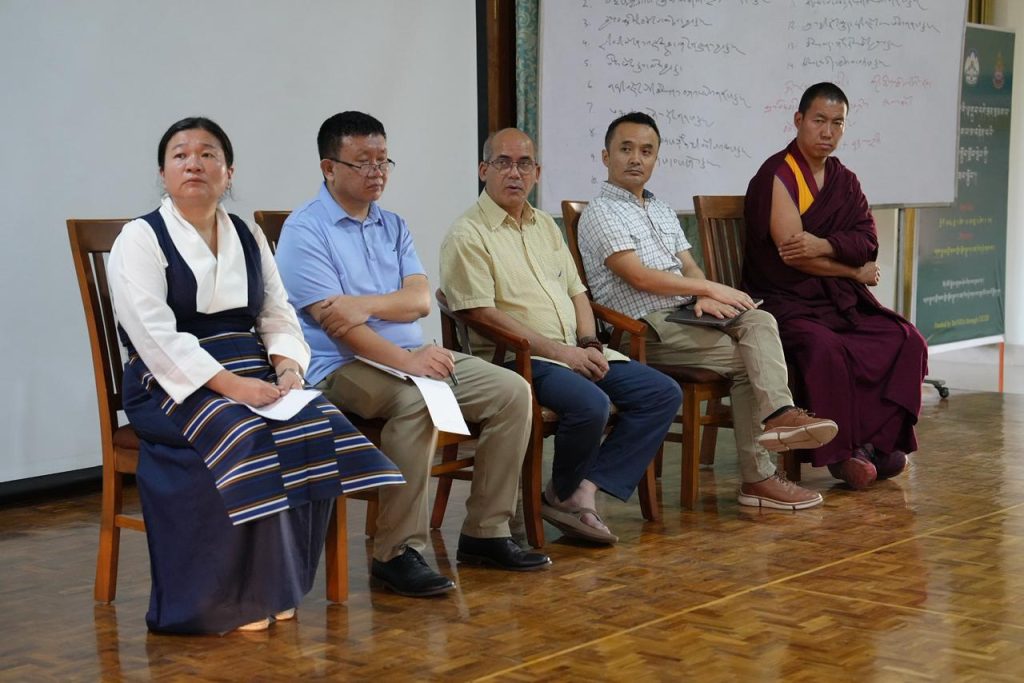
The workshop was facilitated by Geshe Tenzin Negi, Professor at Emory University; Tsondue Samphel, Assistant Director and programme facilator of SEE Learning; PhD Tenzin Sonam, Assistant Research Scientist for SEE Learning, and Geshe Tenzin Tsenlek, SEE Learning facilitator at Sarah College of Higher Tibetan Studies (CHTS); and Tenzin Pema, Additional Secretary of the Department of Education and a member of the Education Council.
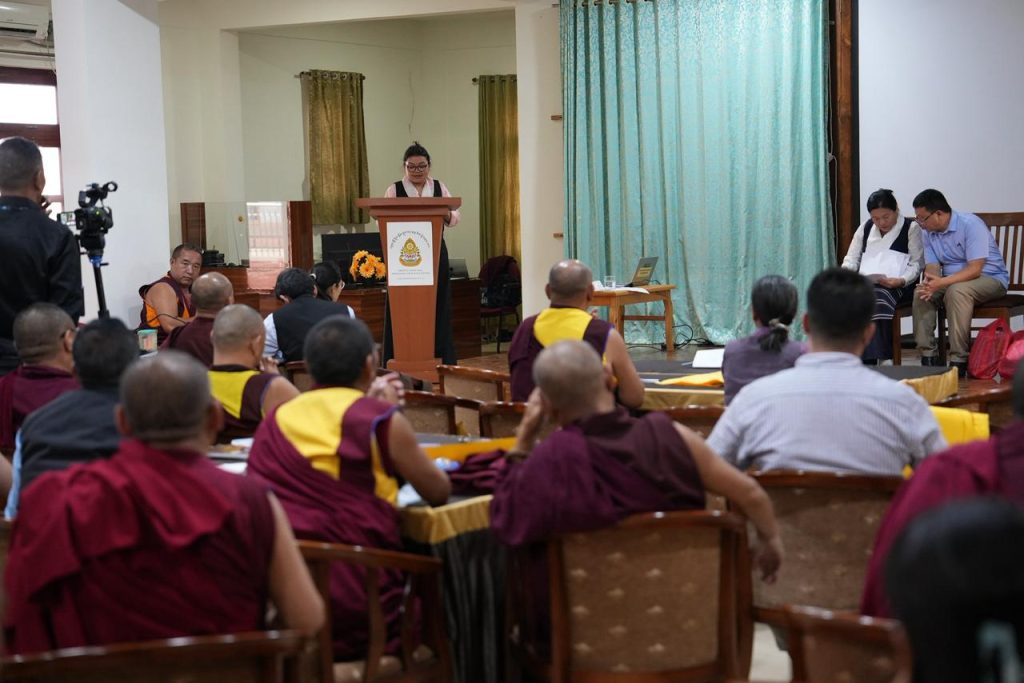
The opening ceremony was graced by the chief guest, Khen Rinpoche Yeshi Lhundup, Abbot of Drepung Loseling Monastery. Tenzin Pema, Education Council, delivered the welcome address and introduced the workshop programmes for three days.
Geshe Lobsang Tenzin of Emory University then spoke about His Holiness the Dalai Lama’s numerous teachings on human well-being, with particular reference to “Ethics for the New Millennium,” authored by His Holiness in 1999. He explained that the publication took over seven years of dedicated effort, reflecting His Holiness’s inclusive and far-reaching vision for benefiting all living beings.
He further elaborated on the significance of Social, Emotional, and Ethical (SEE) Learning and its positive application in contemporary society.
In the concluding session, the chief guest underscored that, just as Buddhist philosophy and science are practised irrespective of religious affiliation, SEE education should likewise be regarded as essential and implemented in schools and society for the greater benefit of all.
The chief guest also explained that secular ethics involves distilling key principles from Buddhist mind training and integrating them with insights from several hundred Western psychologists and experienced scholars to develop the SEE Learning framework and curriculum. He noted that SEE Learning is well-suited to the present level of human capacities, especially for youngsters as due to technological advancement and time changes, new generation has been greatly influenced, so
Emphasising the relevance of worldly ethics in the current era, he stated that rapid technological advancement and changing times have significantly influenced the younger generation. He therefore stressed the importance of SEE education in today’s world and urged participants to actively implement the training upon returning to their respective schools.
During the concluding session, Tsondue Samphel, Assistant Director of the SEE Learning Programme, emphasised the importance of the workshop and underscored the need to implement its principles in schools and society, noting their significant and lasting value.
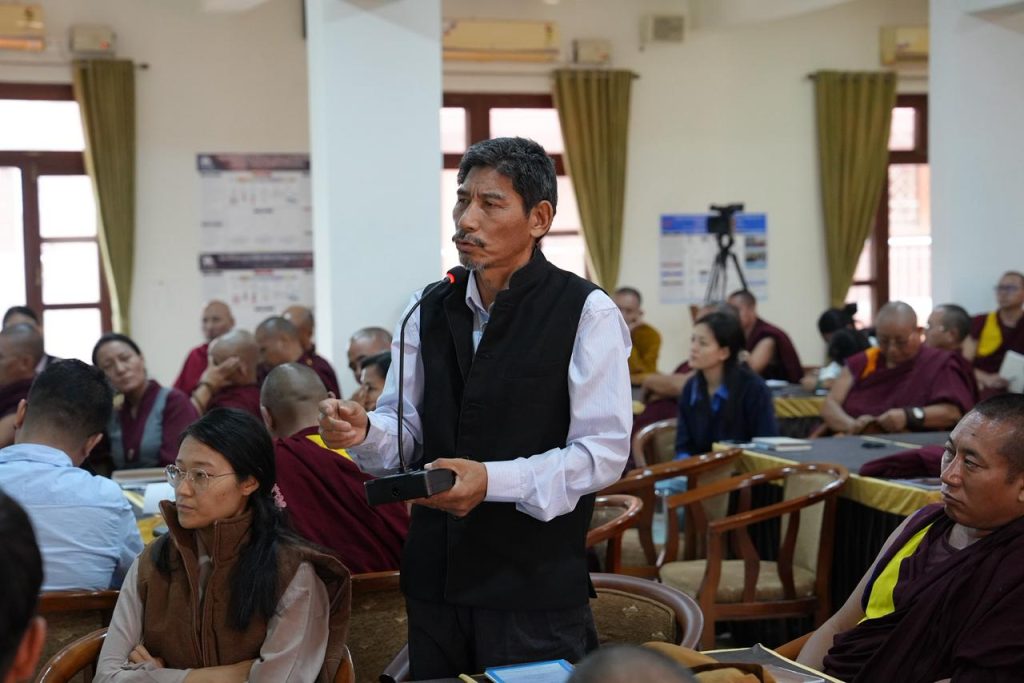
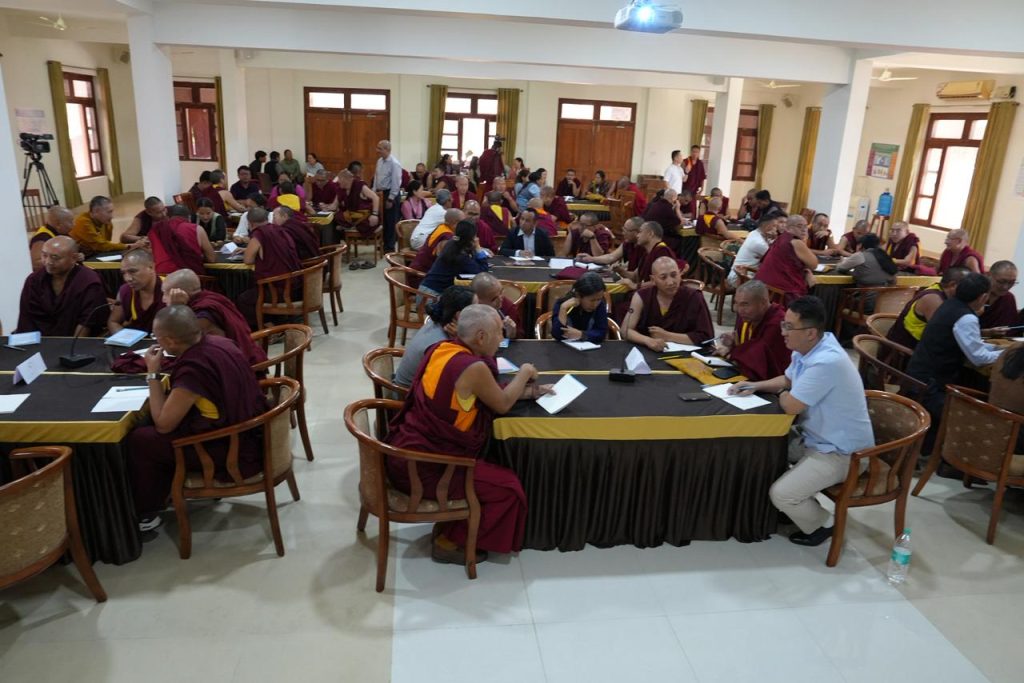
The three-day workshop featured sessions on the core principles and practical application of Social, Emotional, and Ethical (SEE) Learning. Topics included the importance and practice of SEEL, compassion, resilience, emotional regulation, self-awareness, self-compassion, interdependence, gratitude, and methods for effective implementation. Interactive question-and-answer sessions were held throughout the workshop.
Participants included 25 Buddhist philosophy teachers, 20 SEE Learning coordinators from the Central and Southern regions, and 28 teachers from nearby monastic schools.
On 2 February 2026, the workshop coordinators and participants were granted an audience with His Holiness the Dalai Lama at the assembly hall of Drepung Gomang Monastery in Mundgod.
The workshop was jointly supported by DANIDA and the Drepung Loseling Meditation and Science Research Centre.