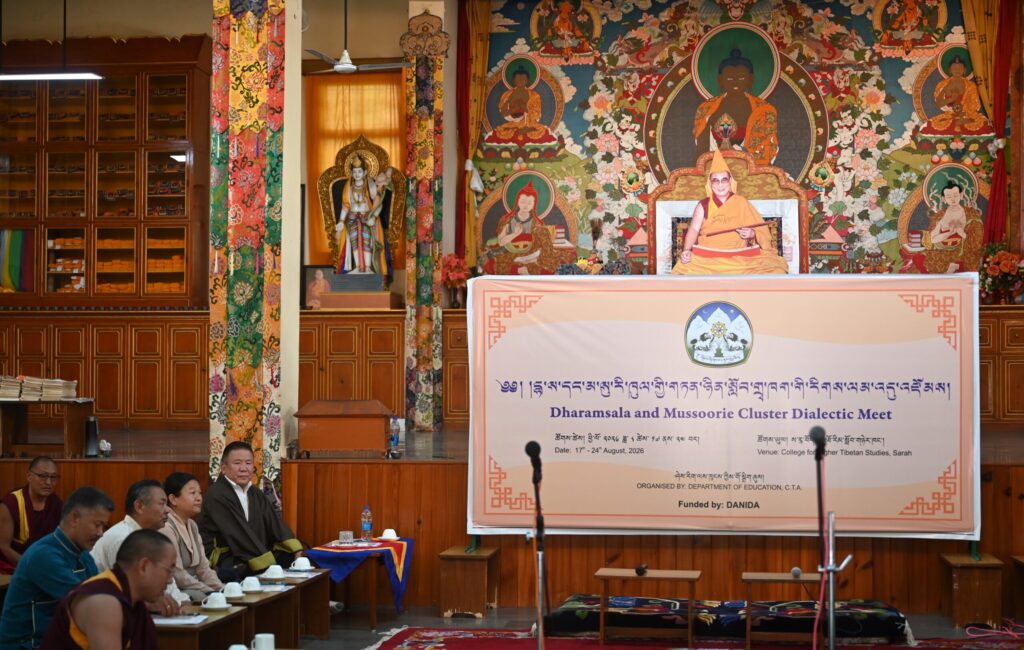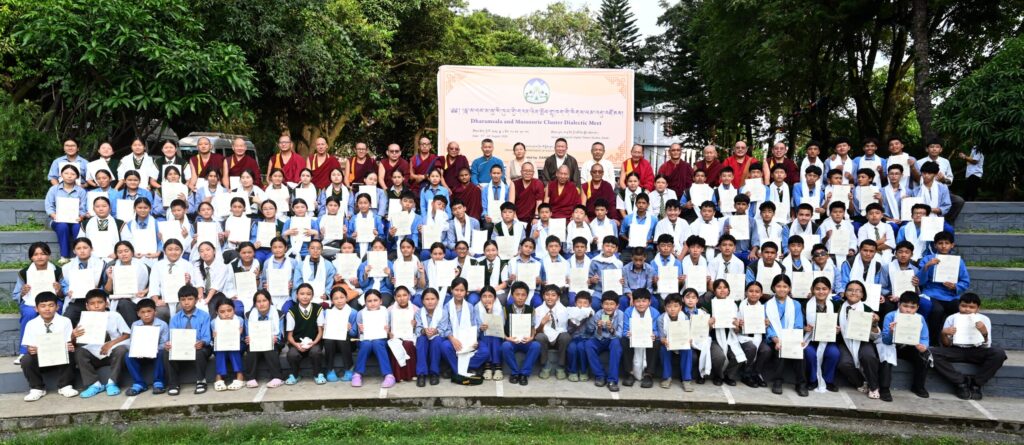
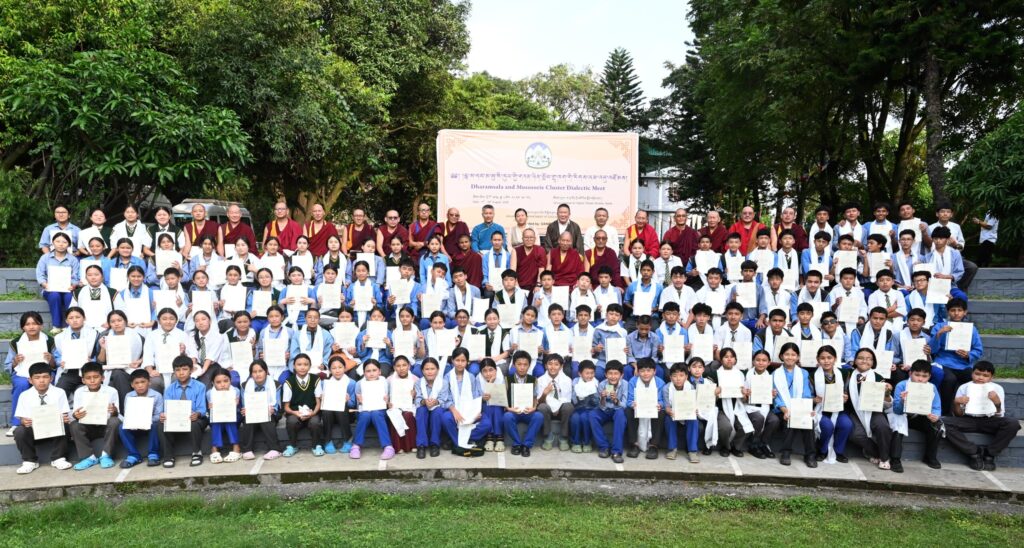
Dharamshala: The Dharamshala and Mussoorie Cluster Dialectic Meet, organised by the Department of Education (DoE) of the Central Tibetan Administration (CTA), concluded on 24 August 2026 with a formal valedictory ceremony at the College for Higher Tibetan Studies (CHTS), Sarah. The eight-day meet, held from 17 to 24 August, brought together 129 participants, comprising 15 Philosophy teachers and 114 students from 15 Tibetan schools across the Dharamshala and Mussoorie clusters.
The concluding ceremony was attended by Kalon (Minister) Urgen Tenzin of the DoE as the chief guest, along with Additional Secretary Tenzin Pema, Education Officer (Traditional) Ngodup Tenpa of the Academic Section, CHTS Principal Passang Tsering, Vice-Principal Geshe Jigme Lodoe, participating Philosophy teachers and students.
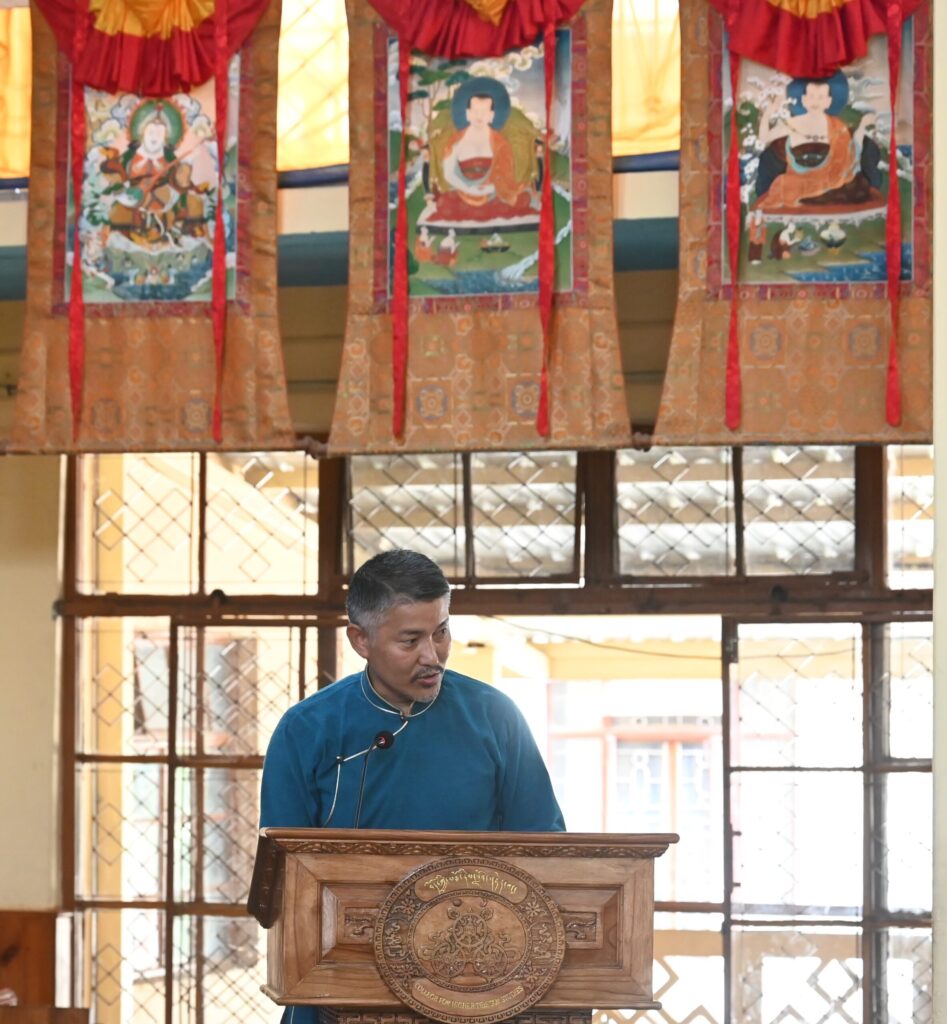
At the outset of the concluding ceremony, Education Officer Ngodup Tenpa presented a brief report on the eight-day meet, tracing the development of the DoE’s school-level dialectics programme. He recalled the initial inter-school dialectic meet organised in 2012 and highlighted the continuation and last-year expansion of the programme in subsequent years, including its integration into the Ghoton programme.
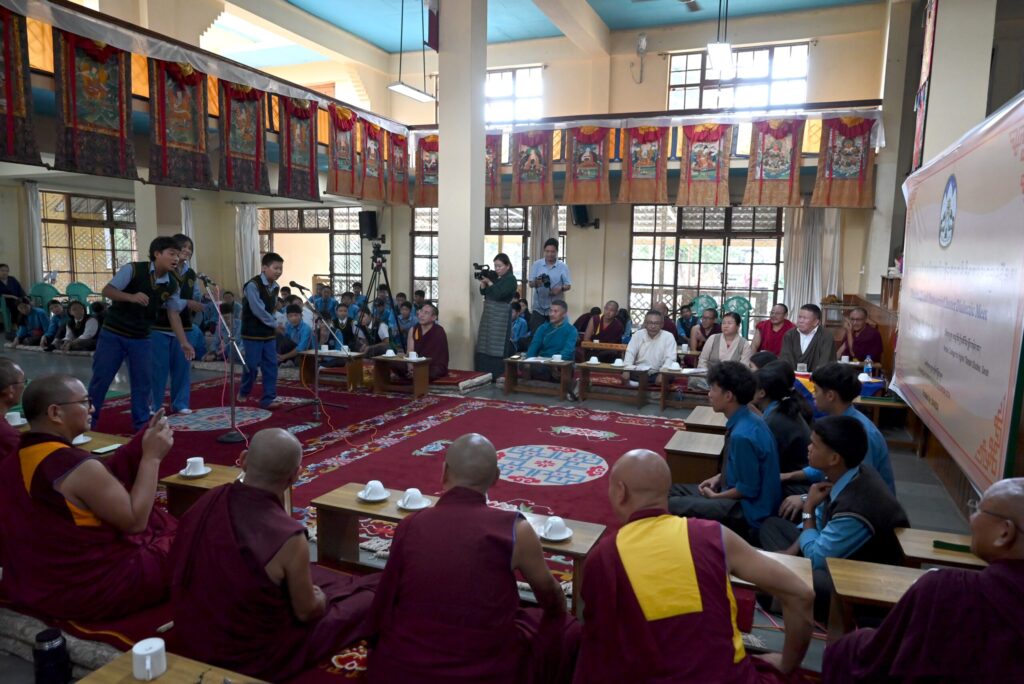
As part of the concluding programme, students from the participating schools engaged in a dialectical debate before the gathering, demonstrating the knowledge, reasoning abilities and practical skills they had developed throughout the meet.
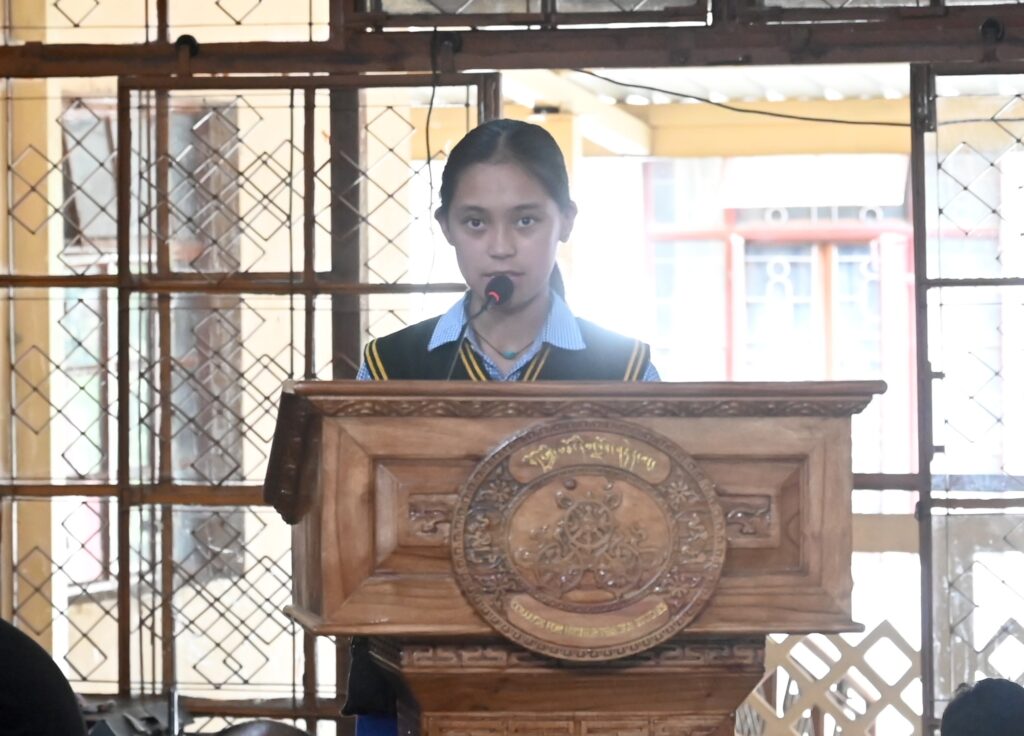
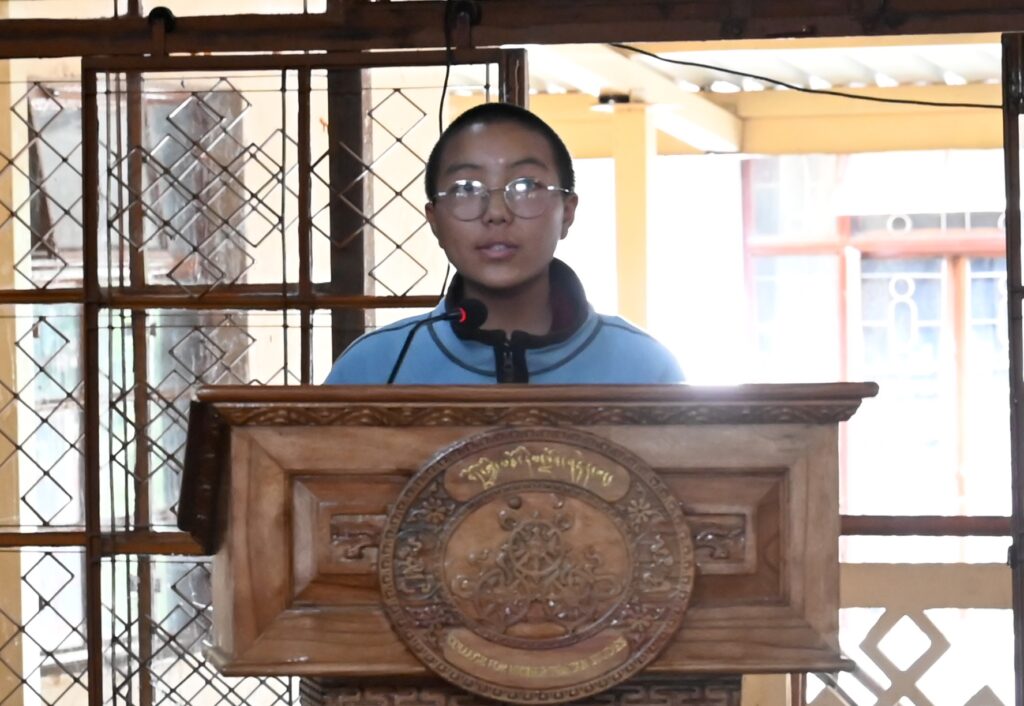
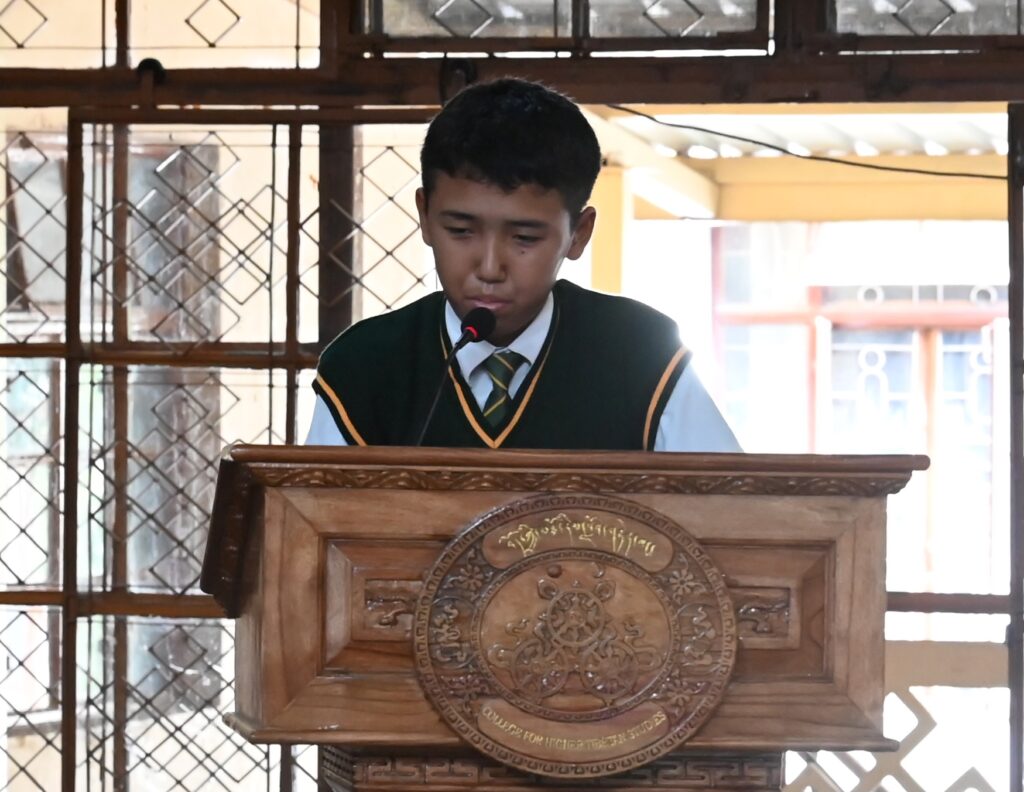
Three participating students and a Philosophy teacher shared their reflections and experiences from the eight-day programme. They spoke about the knowledge and skills gained through dialectical learning, the development of critical-thinking and reasoning abilities, and the meaningful friendships and exchanges fostered among students from different schools and regions. They expressed their appreciation to the DoE, teachers, organisers and staff for providing them with the opportunity to participate in the programme.
Vice-Principal Geshe Jigme Lodoe then presented an assessment of the eight-day meet, highlighting the learning outcomes, overall performance and participation of students and teachers from the 15 schools across the two clusters. He noted the progress made by participants through their engagement in dialectical debate, discussion and collaborative learning throughout the programme.
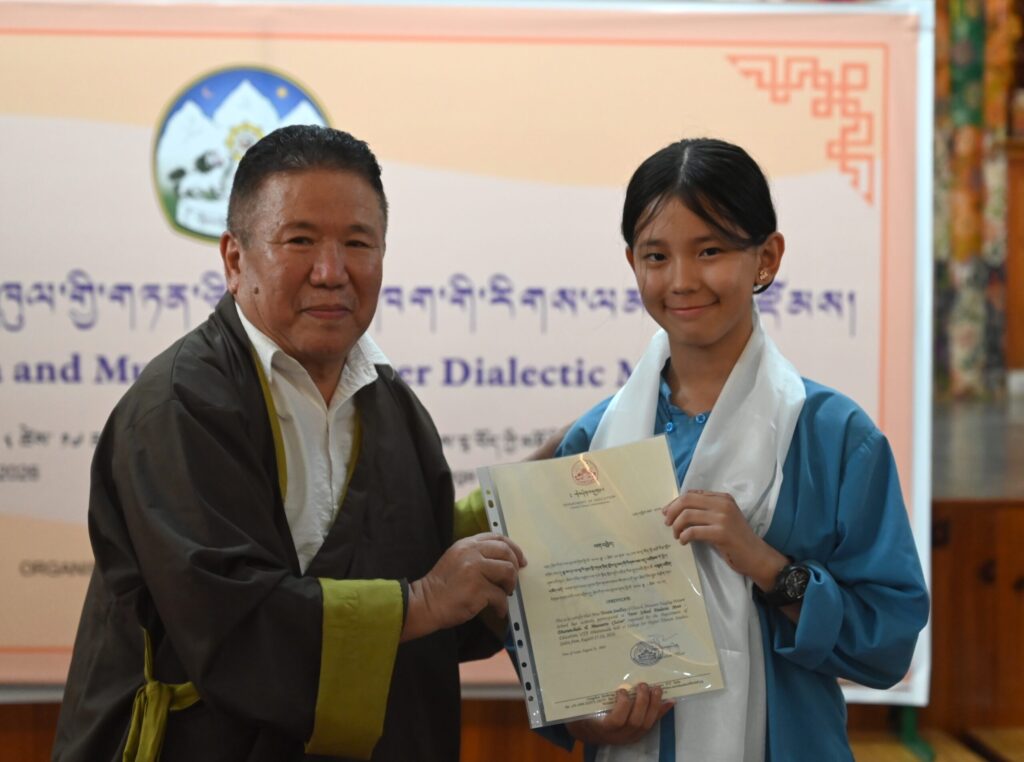
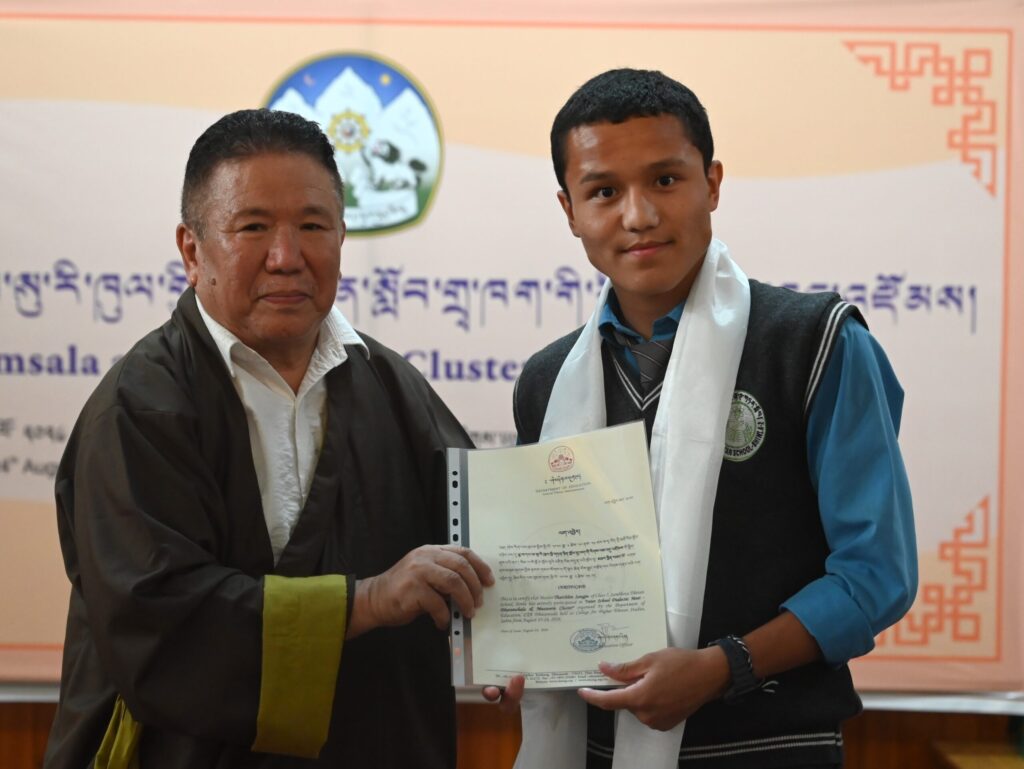
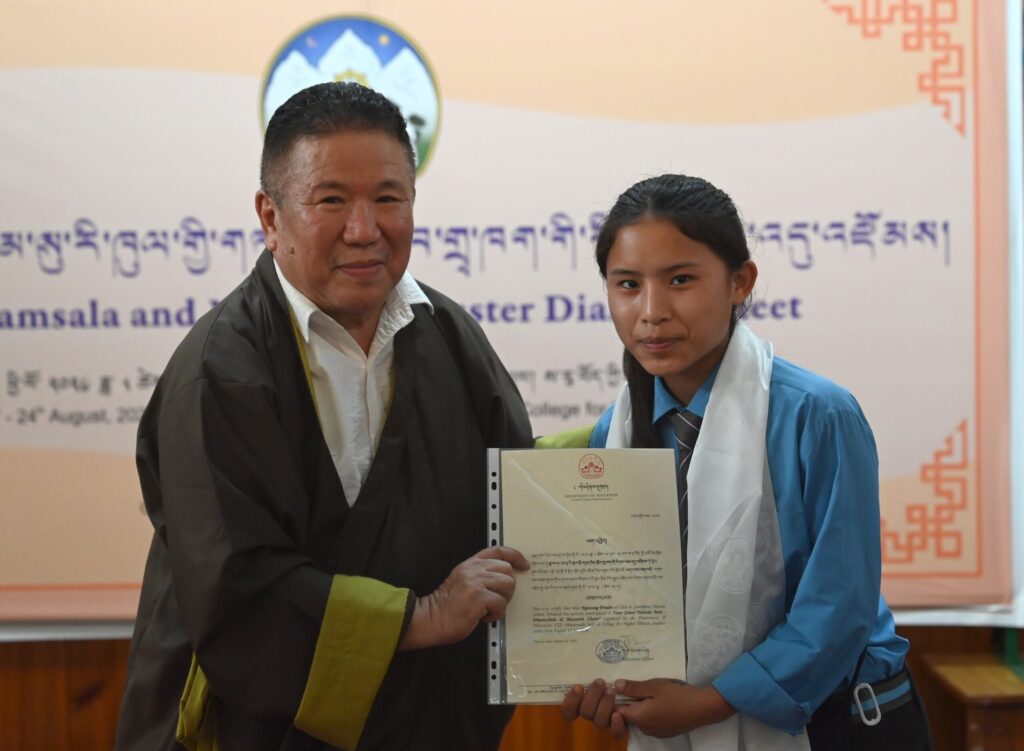
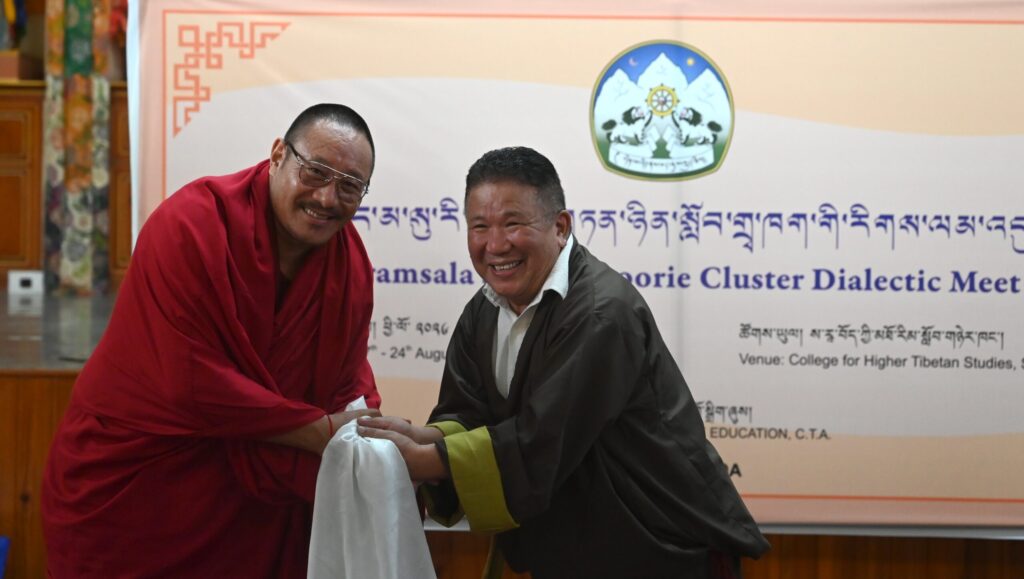
Following this, Chief Guest Kalon Urgen Tenzin presented traditional ceremonial scarves (khatags) and certificates to the Philosophy teachers and students in recognition of their active participation in the eight-day meet.
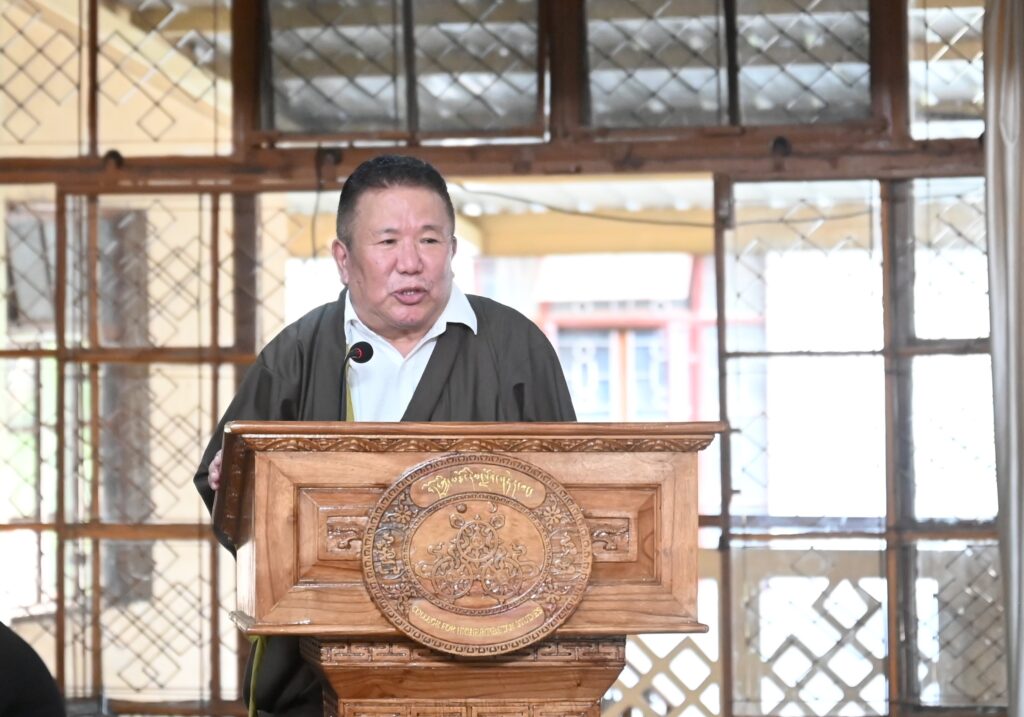
Addressing the gathering, Education Kalon Urgen Tenzin highlighted the significance of dialectical learning in developing students’ analytical, critical-thinking and reasoning abilities, while fostering greater understanding, interaction and camaraderie among students from different schools.
He traced the development of the DoE’s dialectics programme to the vision and guidance of His Holiness the 14th Dalai Lama, noting longstanding emphasis on introducing and strengthening the study of dialectics within the Tibetan school education system, including at the middle school level.
Speaking on the broader objectives of Tibetan education, Kalon Urgen Tenzin highlighted the four key objectives outlined in the Basic Education Policy (BEP) and their relevance to dialectical learning. He explained that Freedom encourages independent and free thinking; Altruism promotes compassion and concern for others; Upholding the Heritage strengthens students’ connection to their Tibetan identity, language and cultural heritage; while Innovation encourages creativity, adaptability and new ways of thinking.
In this context, he emphasised that dialectics is not only for academic exercise but an important means of nurturing critical inquiry, reasoned thinking and intellectual confidence among students.
Kalon Urgen Tenzin also recalled His Holiness the 14th Dalai Lama’s vision, dating back to the early years of the Tibetan exile, of establishing a separate Tibetan school system to preserve and strengthen the Tibetan language, cultural heritage and identity. He emphasised that the continuation of this vision through education remains particularly important at a time when the preservation of Tibetan language, culture and identity faces increasing challenges inside Tibet. Referring to the current situation in Tibet, he expressed concern over the implementation of China’s “Promoting Ethnic Unity and Progress Law”, stating that despite its sugar-coated objectives, the policy poses serious implications for the preservation of the language, culture and distinct identity of Tibetans and other minority communities.
In his concluding remarks, Education Kalon Urgen Tenzin urged students to remain curious and continue learning from one another. He also commended the participating teachers and students for their enthusiasm and dedication throughout the eight-day programme and expressed appreciation to all those involved in contributing to the successful completion of the eight-day meet.
The conclusion ceremony concluded with remarks by Office Secretary Tenzin Minlay of CHTS, Sarah, who expressed gratitude to the chief guest, officials, teachers, students and organisers for their participation and contributions to the successful completion of the meet.