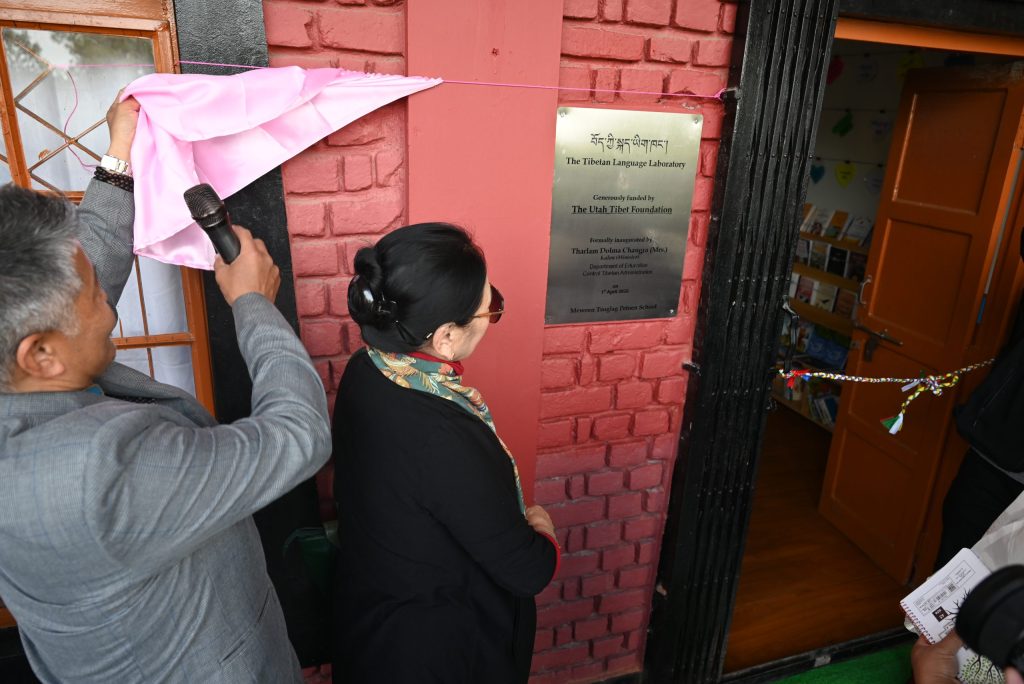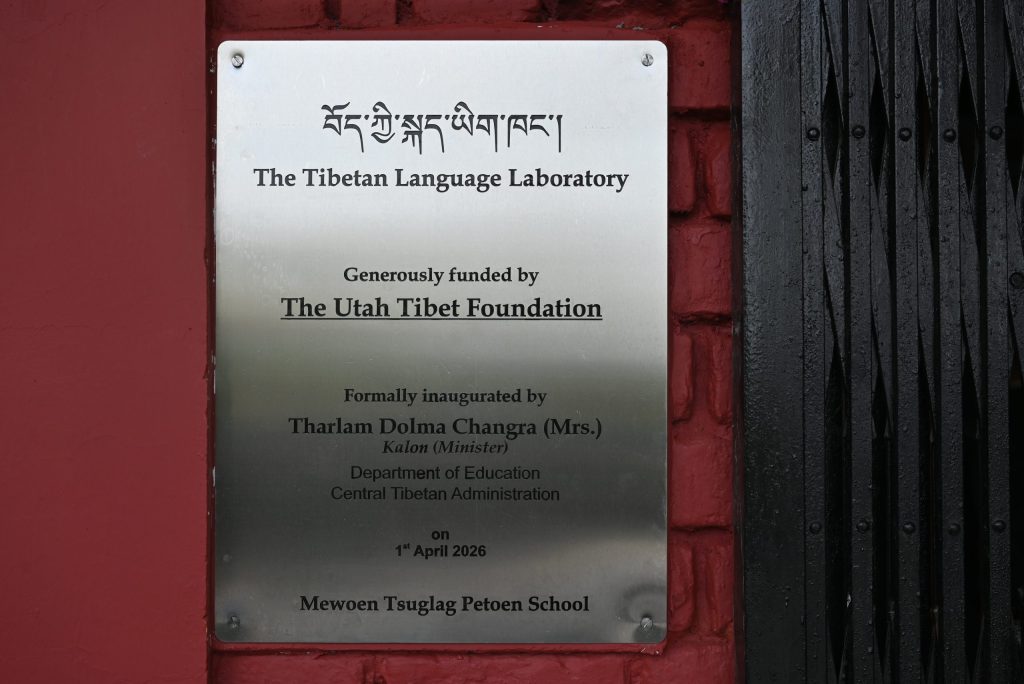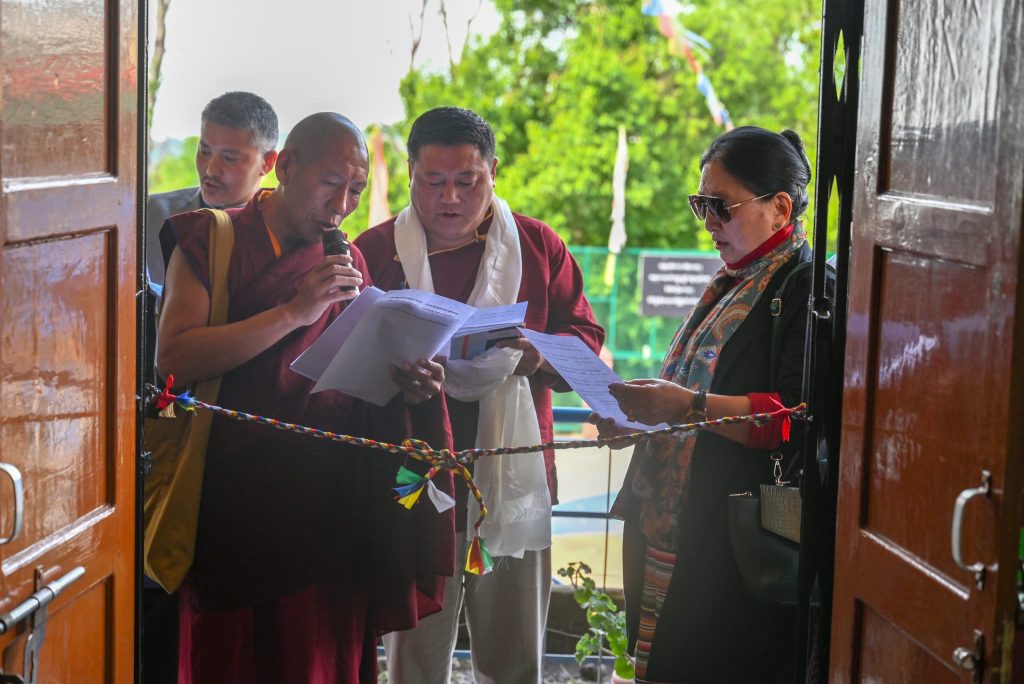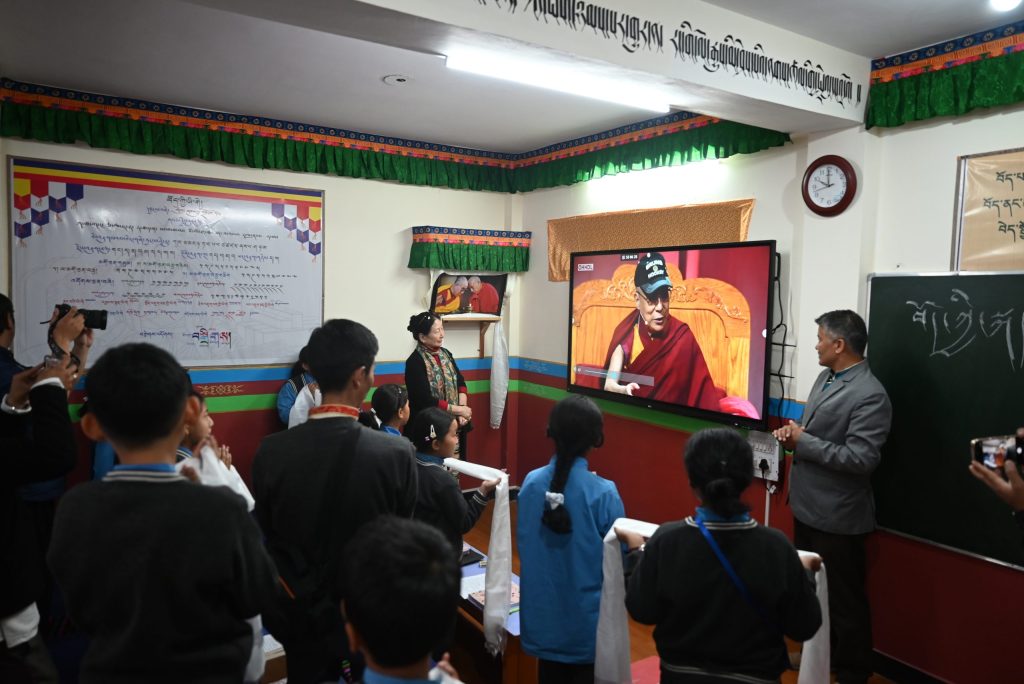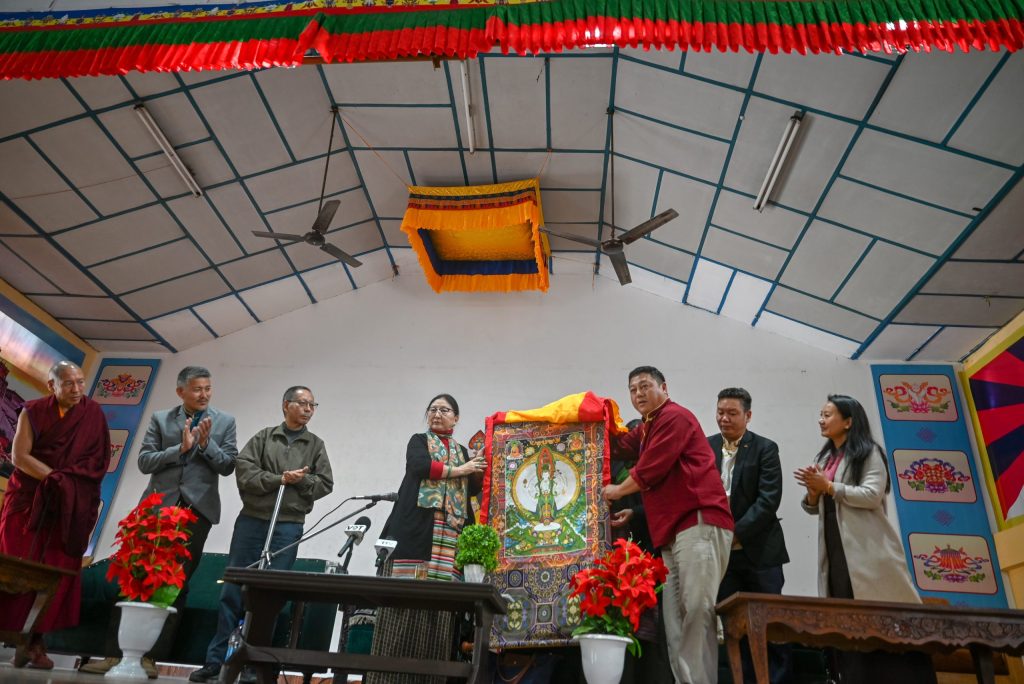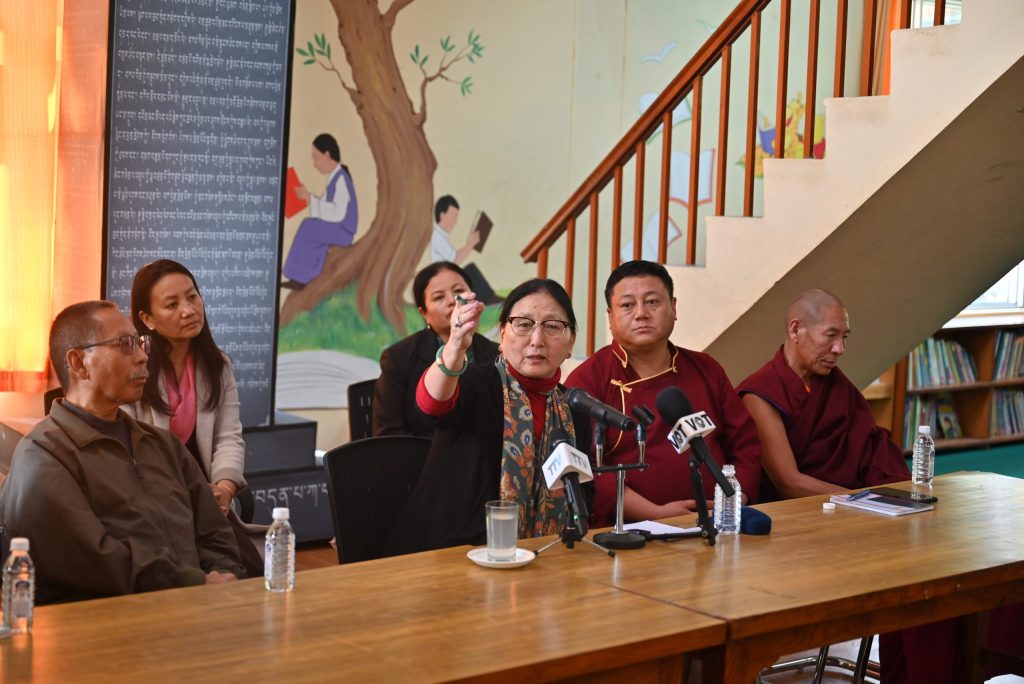
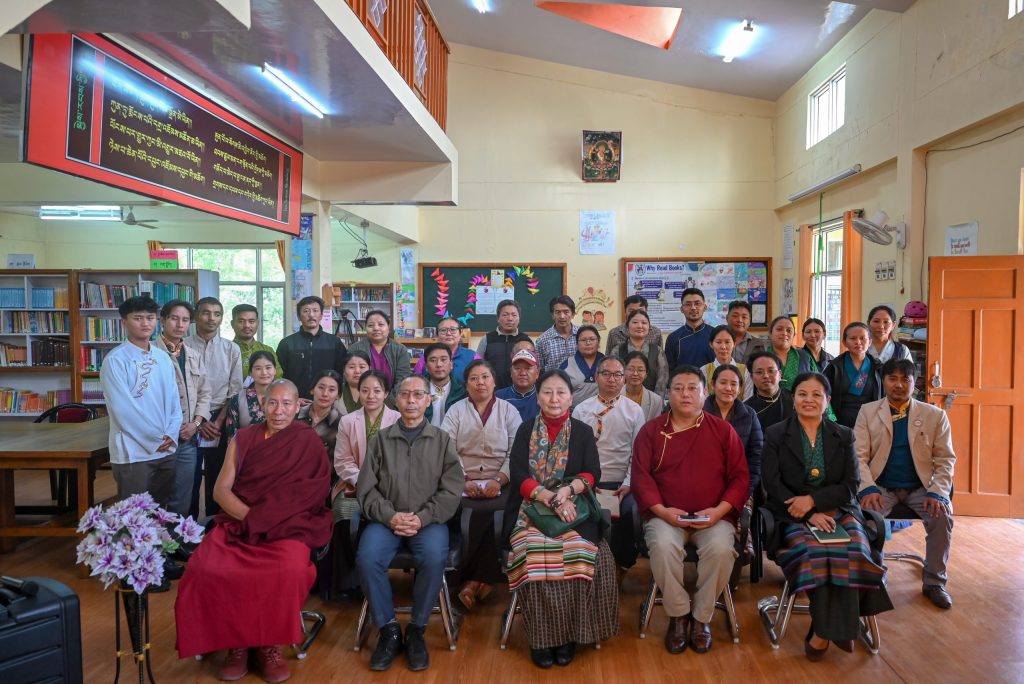
Dharamshala: Kalon Tharlam Dolma Changra (Minister) of the Department of Education, Central Tibetan Administration, inaugurated the Tibetan Language Laboratory at Mewoen Tsuglag Petoen School on the morning of 1 April 2026.
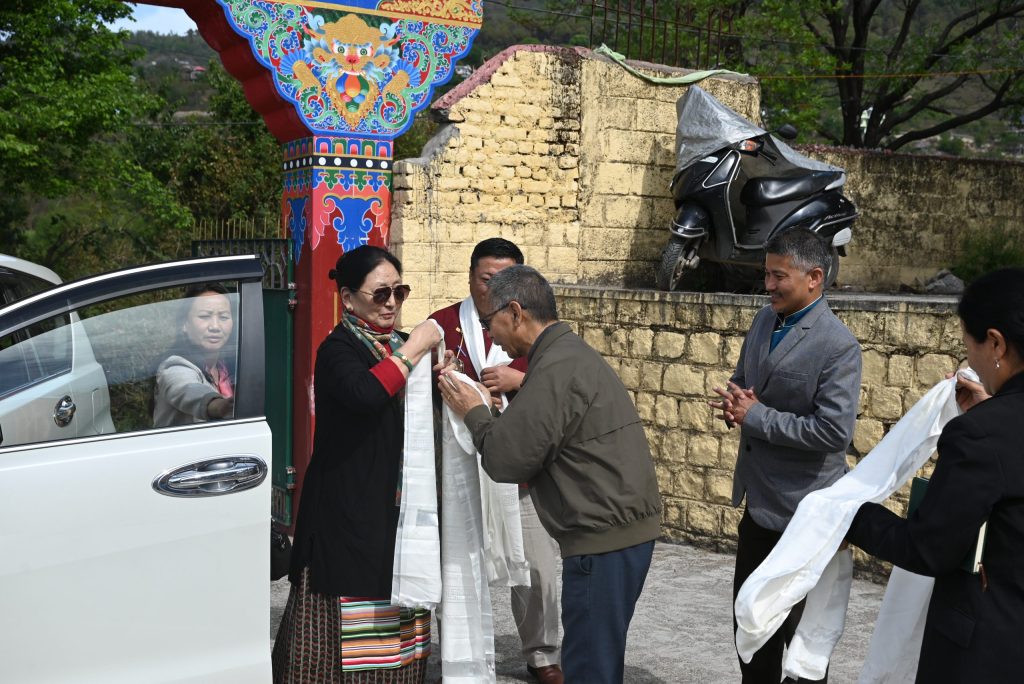
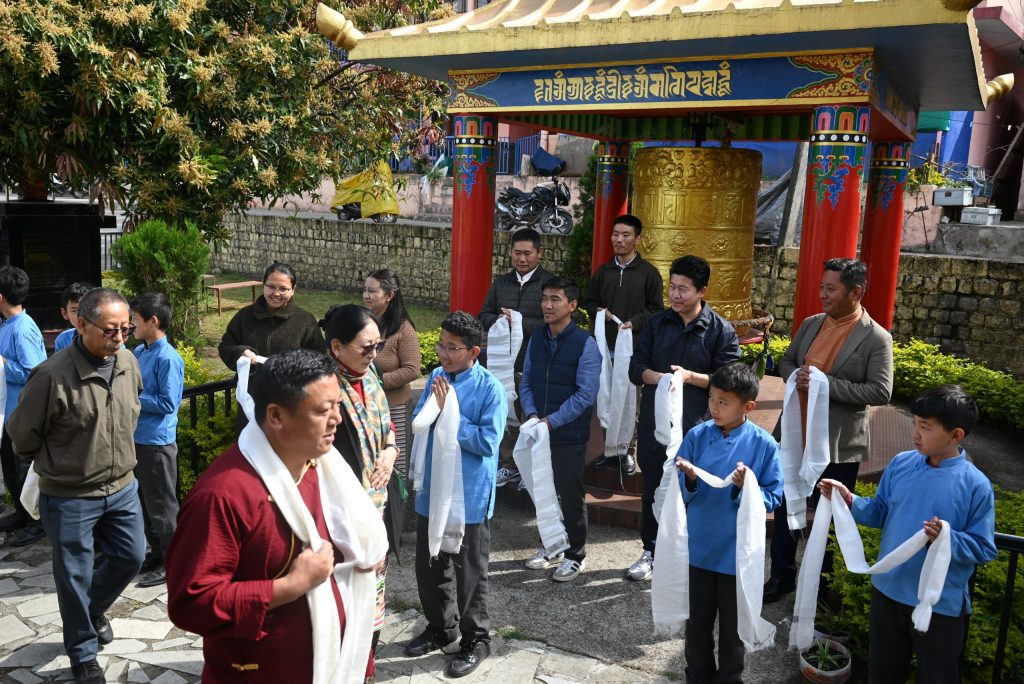
Upon arrival, the Education Kalon was welcomed by Sambhota Director Tsering Dhondup Drongpa, Petoen School Principal Lekshay Nyima, and headmistress Tenzin Choedon.
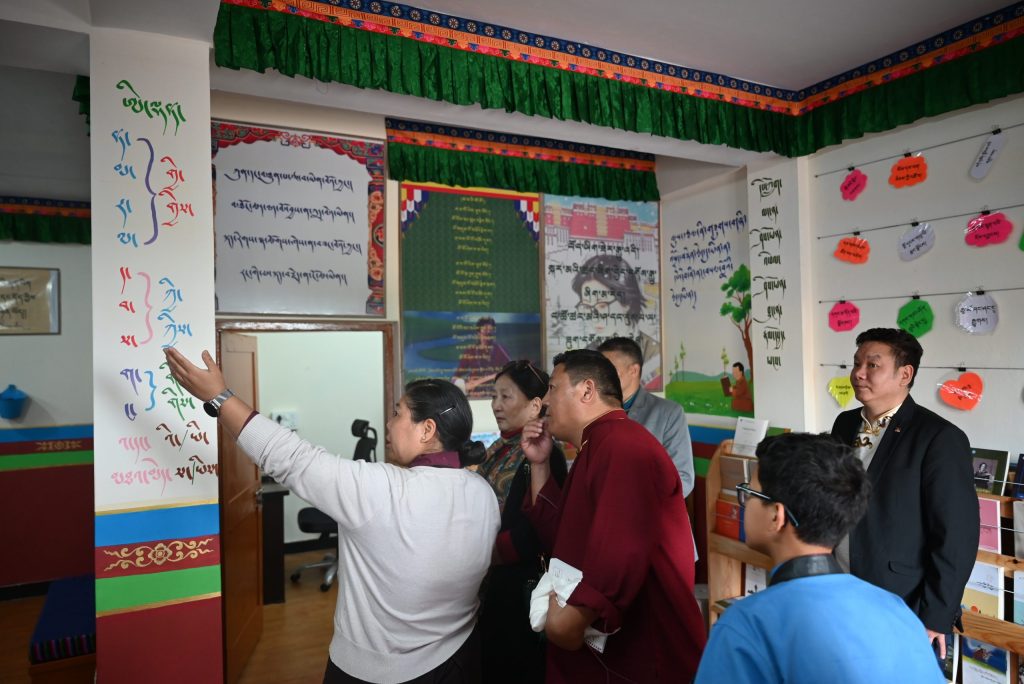
Following the reception, Kalon Tharlam Dolma Changra inaugurated both the Tibetan Language Laboratory and Math Lab, inspected the newly established facilities and the lab. The project was made possible through the generous support of former Tibetan Parliamentarian Pema Chagzoetsang, currently residing in the United States, who arranged funding of USD 10,000 (approximately INR 893,500) through the Utah Tibetan Community Foundation.
This significant contribution has enabled the school to acquire educational resources, including audio-visual equipment, internet connectivity, blackboards, whiteboards, colour printers, and computers for teachers, as well as a diverse collection of Tibetan children’s stories and books sourced from both inside and outside Tibet to support Tibetan language instruction.
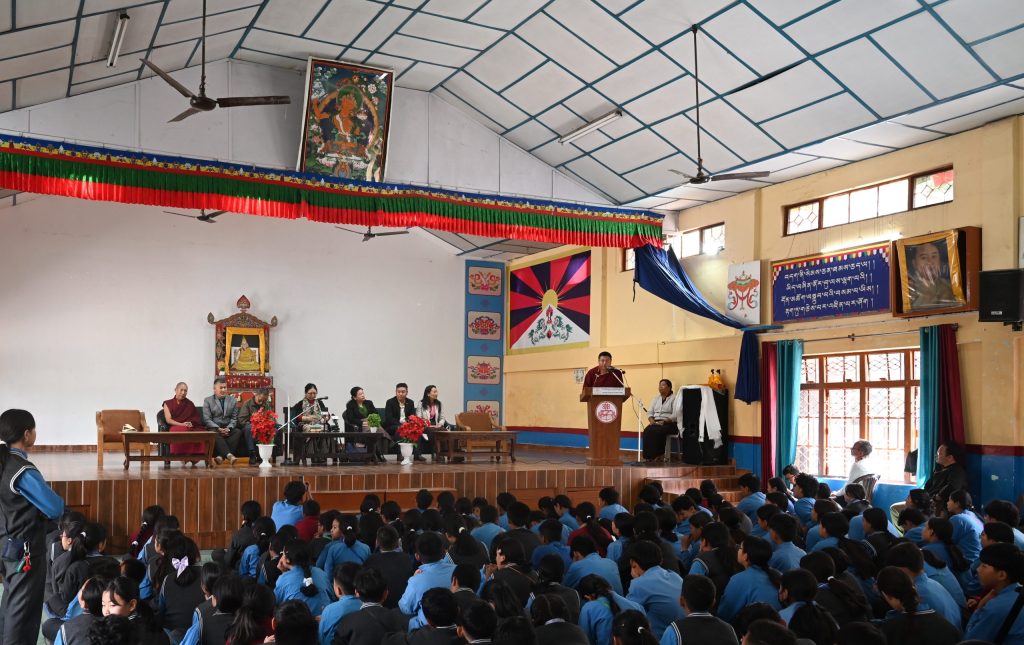
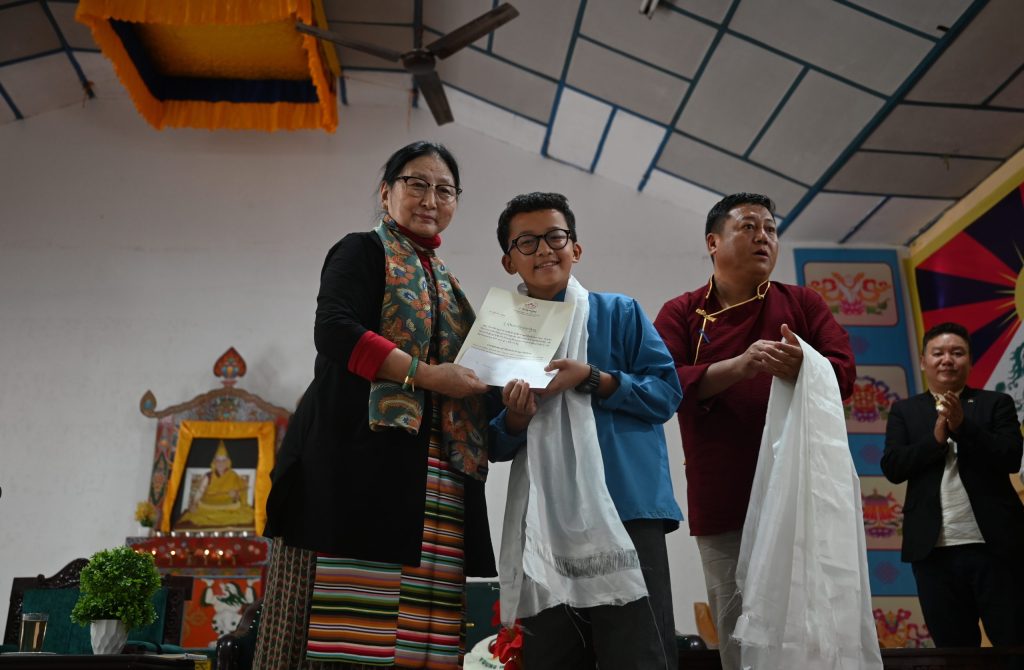
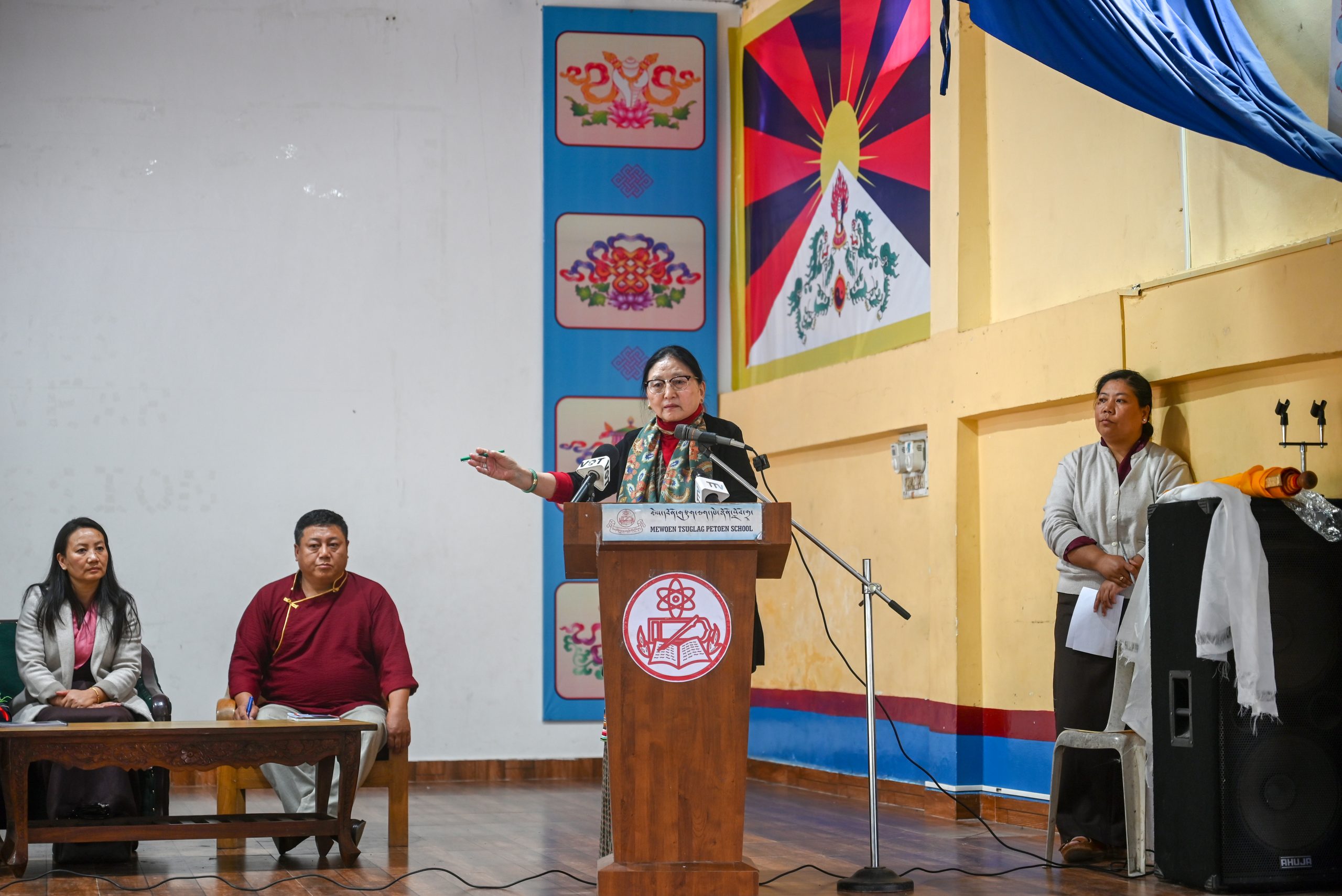
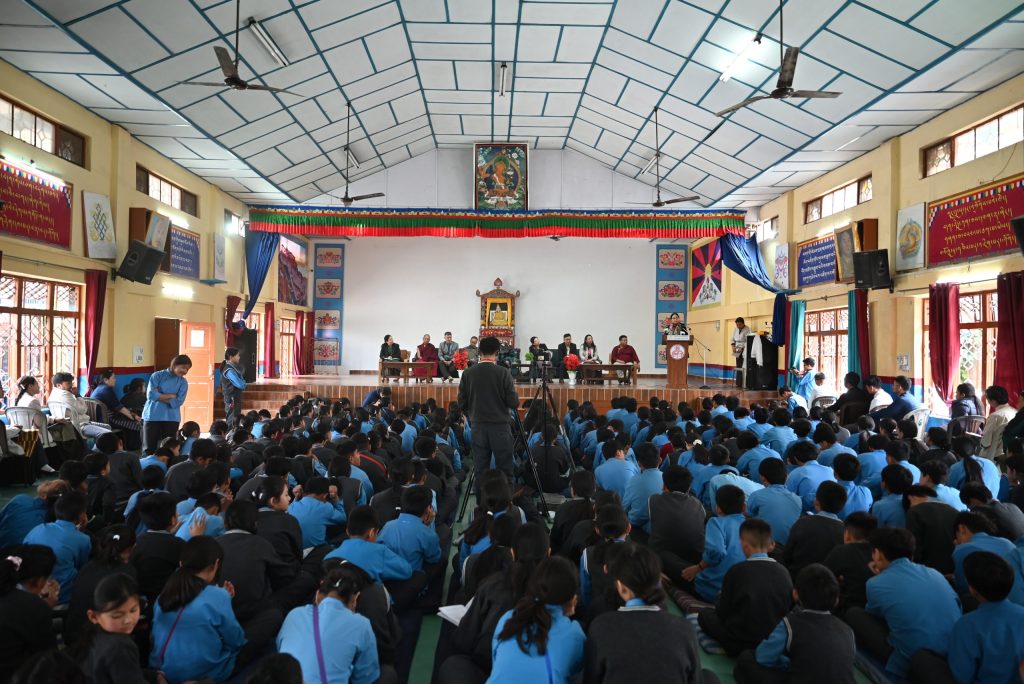
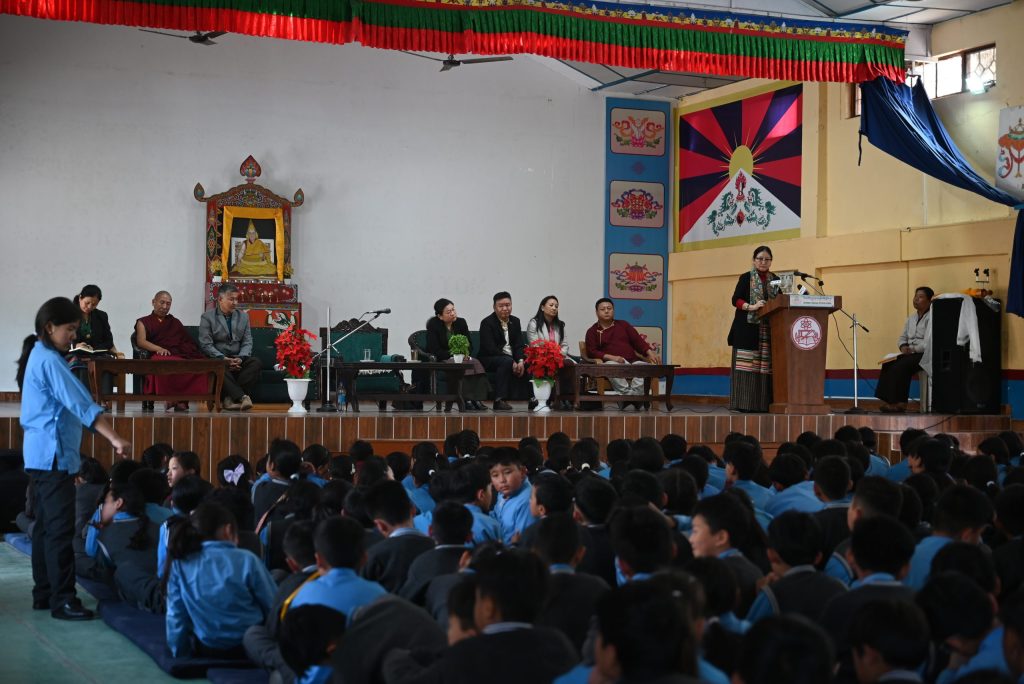
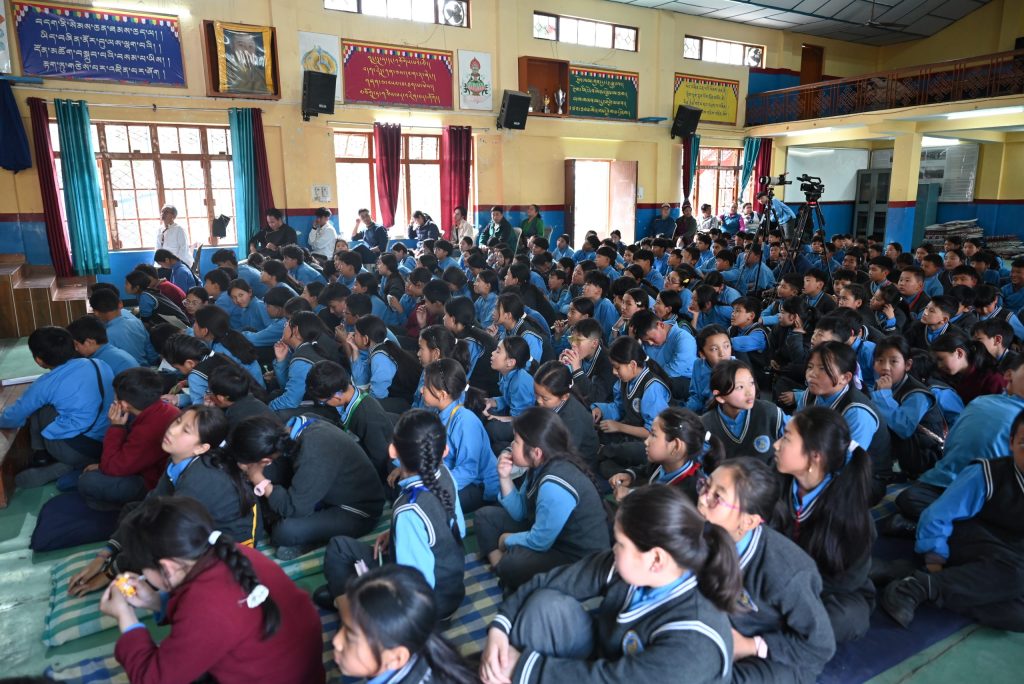
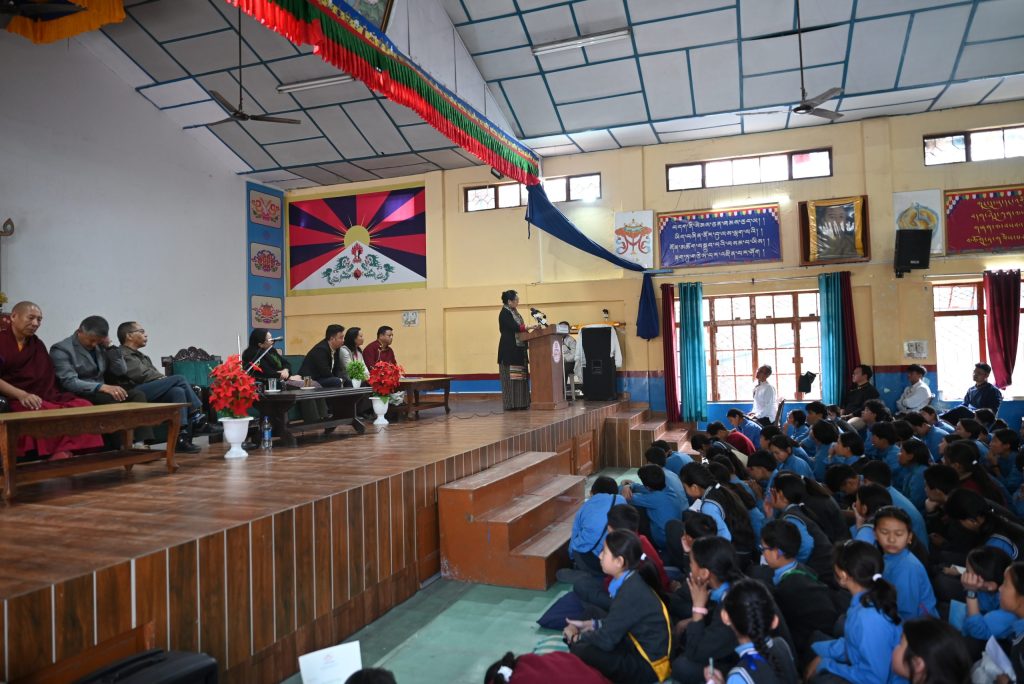
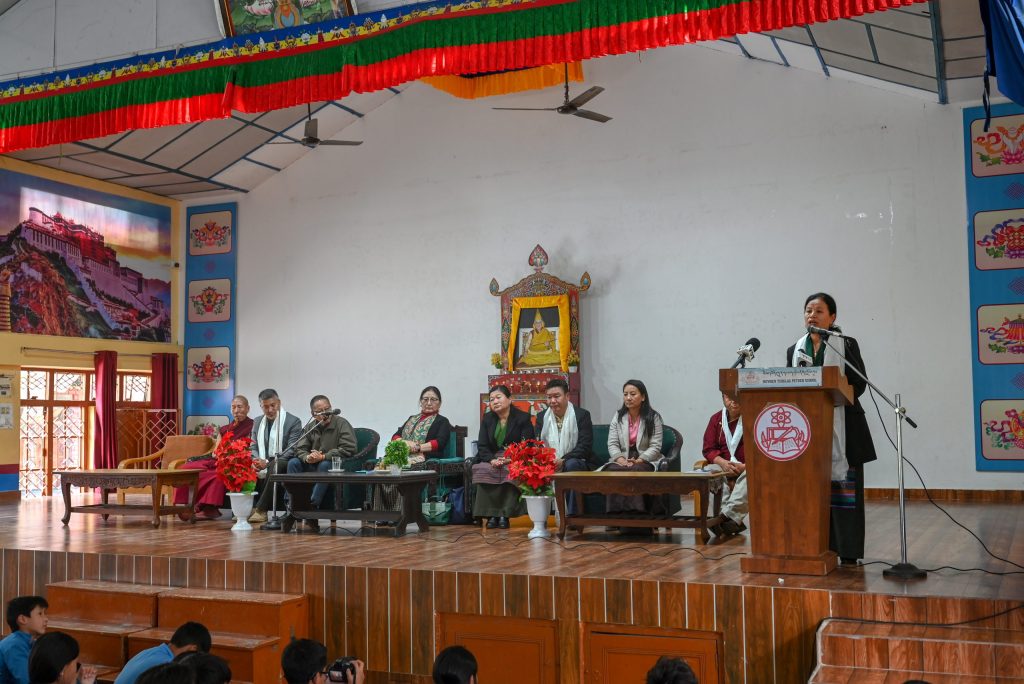
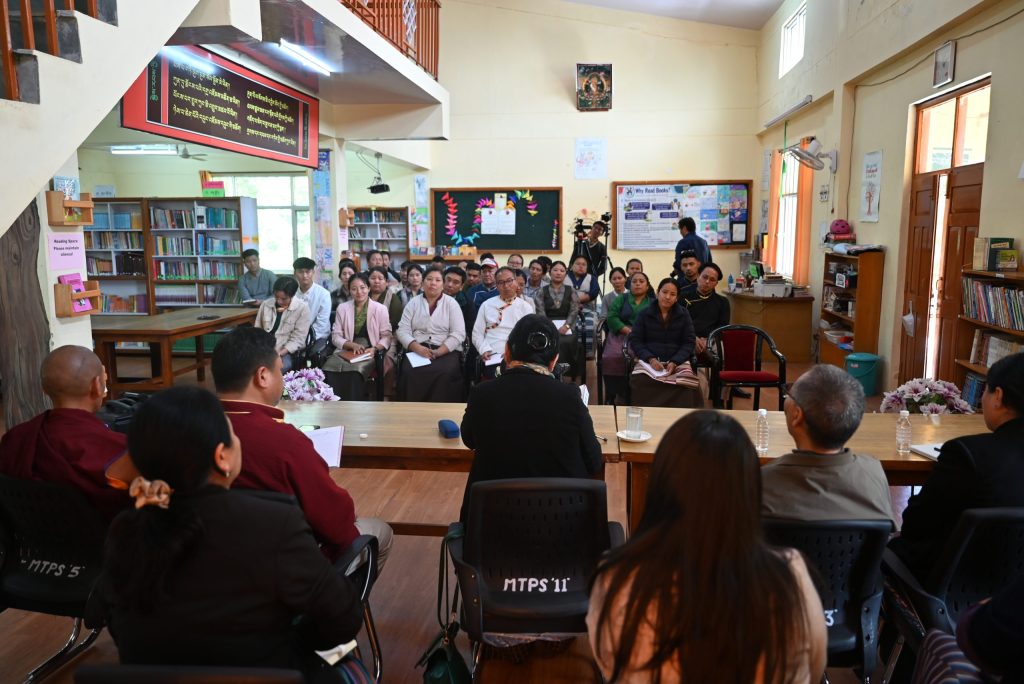
Following the inauguration, Education Kalon addressed the teachers and students in the school hall at 11 a.m. The gathering also included the presentation of certificates of excellence and consolation awards to students of classes VI to VIII who participated in the 11th Tibetan Essay Writing Programme, held in September 2025 and organised by the Department of Education.
Addressing the faculties and students, Kalon Tharlam Dolma Changra underlined the growing challenges posed to the preservation of Tibetan language and culture by the Chinese government’s policies, particularly under the framework of so-called “Ethnic Unity.” She noted that such measures pose a serious threat to the continuity of Tibetan identity, language, and cultural heritage.
The Kalon remarked that in Tibet, Mandarin Chinese is increasingly being made compulsory in schools, while railway expansion and other infrastructure projects are being promoted in the name of development to present a misleading image to the international community. She stressed, however, that behind this narrative lies a systematic attempt to marginalise Tibetan language, culture, and identity.
The Kalon acknowledged that Tibetans living in exile bear an even greater responsibility to preserve and promote the Tibetan language, culture, and identity. She emphasised that schools, teachers, and parents all have a vital role to play in ensuring that younger generations remain firmly rooted in their linguistic and cultural heritage, particularly at a time when Tibetans inside Tibet are unable to freely preserve and practise their identity under the restrictions imposed by the government of the People’s Republic of China. She pleaded with teachers and students to uphold the traditional values of Tibetan culture and to follow the teachings of His Holiness the 14th Dalai Lama.
Addressing the students, Kalon Tharlam Dolma Changra encouraged them to approach their studies with dedication, ambition, and a clear sense of purpose. She emphasised the importance of setting goals from an early stage and working hard to achieve them through sincerity and consistent effort. She urged the students to make the best use of the educational opportunities available to them and to strive to become responsible and capable individuals who can contribute meaningfully to the Tibetan community in the future. She also encouraged them to study diligently and make their parents and teachers proud through their conduct and achievements.
Concluding her address, the Education Kalon reminded the students of the importance of discipline, respect, and good behaviour in school. She urged them to remain respectful towards their teachers and school staff, and to uphold these values as an essential part of their studies and overall development. She also noted that if these facilities prove successful and beneficial, similar resources may be introduced in other schools in the future.
The gathering concluded with a vote of thanks delivered by Headmistress Tenzin Choedon.
After lunch, in a separate address to the teaching and non-teaching staff at the school library, the Education Kalon underscored the importance of maintaining hygiene and good health, stressing that a healthy and clean school environment is essential for both educators and learners. She noted that the overall well-being of the school community plays an important role in creating a positive and effective learning atmosphere.
The Kalon further reminded the staff that teachers carry a special responsibility, as they play a vital role in shaping the knowledge, discipline, character, and future of younger generations. In this regard, she encouraged teachers to carry out their responsibilities with dedication, ambition, and compassion, and to nurture students with care and a genuine sense of commitment.
The Education Kalon also stressed that teaching should not be limited to classroom instruction alone, but should also inspire in students a love for learning and a deeper understanding of values and responsibility. She highlighted the importance of educating not only the mind but also the heart of young students, so that they may grow into capable individuals.
Recalling her own experiences as a former teacher, the Kalon also emphasised the importance of teamwork and mutual support among teaching and non-teaching staff. She noted that the smooth and effective functioning of a school depends on the collective responsibility and cooperation of all staff members. She further underscored the importance of proper lesson planning and preparation, noting that well-structured teaching plays a key role in ensuring effective classroom learning.
Concluding her address, Education Kalon also encouraged the staff to openly communicate and work together whenever challenges arise in the school environment, stressing that a united and supportive approach is essential to the successful functioning of any educational institution.
Throughout her visit, the Education Kalon was accompanied by staff from the Department of Education, including Additional Secretary Tenzin Pema, Deputy Secretary Ngodup Tenpa, Under Secretary Dorjee Wangdue, Under Secretary Tsering Yangkyi, and Under Secretary Tenzin Kunchok.